In the rapidly evolving landscape of industrial automation, proximity sensors play a pivotal role in ensuring precision, safety, and efficiency. These non-contact devices detect the presence or absence of objects, making them indispensable in manufacturing, automotive, packaging, and robotics applications. However, the performance and longevity of these systems heavily depend on the quality of the sensors employed. This article highlights leading manufacturers renowned for producing high-quality proximity sensors, focusing on their technological innovations, reliability standards, and industry impact.
First and foremost, Sick AG stands out as a global leader in sensor technology. Based in Germany, Sick has built a reputation for engineering robust and precise proximity sensors that excel in harsh environments. Their product range includes inductive, capacitive, and magnetic sensors, all designed with advanced diagnostics and high immunity to interference. Sick's commitment to quality is evident in their rigorous testing protocols, which ensure durability and consistent performance even under extreme temperatures and vibrations. Industries such as automotive and logistics rely on Sick sensors for critical applications where failure is not an option.
Another prominent name is Omron Corporation, a Japanese electronics giant known for innovation and reliability. Omron's proximity sensors are celebrated for their compact design, high-speed detection, and energy efficiency. The company integrates cutting-edge technologies like IoT connectivity and AI-driven diagnostics into their sensors, enabling predictive maintenance and reducing downtime. Omron's quality control processes adhere to international standards, making their products a preferred choice for sectors requiring precision, such as semiconductor manufacturing and pharmaceutical production.
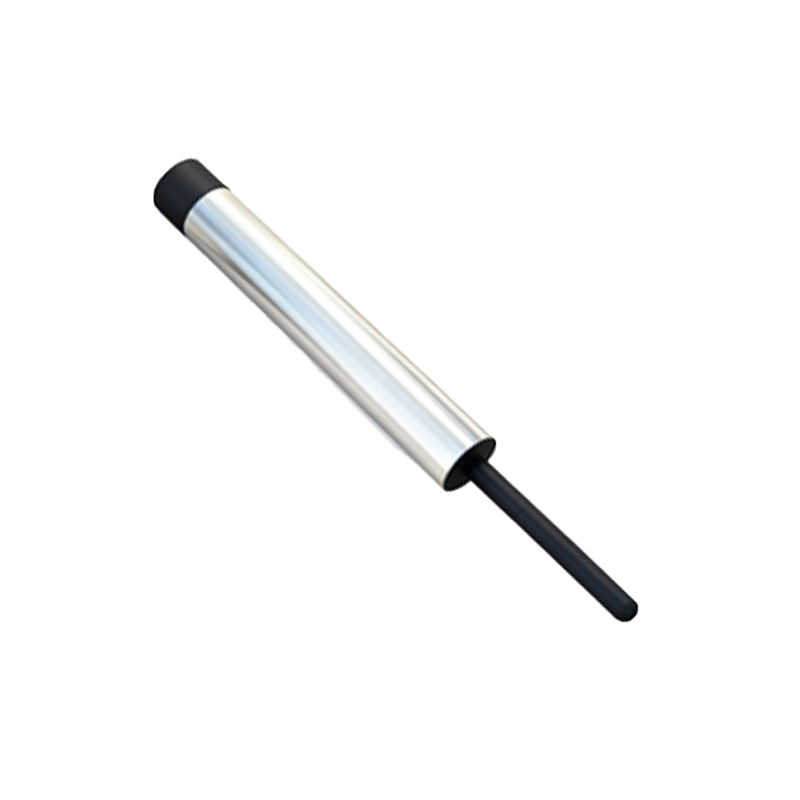
Pepperl+Fuchs, also headquartered in Germany, specializes in industrial sensor solutions with a strong emphasis on safety and explosion-proof designs. Their proximity sensors are engineered for use in hazardous areas, meeting ATEX and IECEx certifications. Pepperl+Fuchs combines durability with high switching frequencies, ensuring accurate detection in demanding applications like oil and gas or chemical processing. The company's focus on customization allows clients to tailor sensors to specific needs, enhancing overall system integration and performance.
In the United States, Rockwell Automation offers a comprehensive portfolio of proximity sensors under the Allen-Bradley brand. These sensors are designed for seamless integration with Rockwell's control systems, providing enhanced communication via Ethernet/IP and other industrial networks. Rockwell emphasizes quality through robust housing materials and advanced circuitry that resists electrical noise. Their sensors are widely used in automotive assembly lines and food processing plants, where hygiene and reliability are paramount.
Balluff GmbH, a German sensor manufacturer, is recognized for its innovative approach and high-quality inductive and capacitive sensors. Balluff's products feature intelligent functions such as IO-Link communication, which enables real-time data exchange and parameterization. This enhances flexibility and reduces maintenance costs. The company's sensors are built to withstand mechanical stress and contamination, making them ideal for heavy machinery and material handling applications. Balluff's dedication to research and development ensures they stay ahead in a competitive market.
When selecting a proximity sensor manufacturer, key factors to consider include environmental adaptability, certification compliance, technological features, and after-sales support. High-quality sensors not only improve operational efficiency but also reduce long-term costs by minimizing failures and downtime. Companies like Sick, Omron, Pepperl+Fuchs, Rockwell Automation, and Balluff exemplify excellence through their commitment to innovation, stringent quality standards, and customer-centric solutions. As industries continue to automate, partnering with reputable manufacturers becomes crucial for achieving sustainable and reliable automation systems. Investing in quality proximity sensors is, ultimately, an investment in the future of industrial productivity.