In the realm of precision automation and motion control, cam indexers are indispensable for converting continuous rotary motion into precise, intermittent steps. To ensure the reliable and safe operation of these mechanical marvels, proximity sensors play a critical role. These non-contact detection devices are tasked with confirming the position of the indexer's output shaft or detecting the presence of a target, such as a cam lobe or a dedicated flag. Their performance directly impacts system accuracy, cycle timing, and overall equipment effectiveness.
The selection of an appropriate proximity sensor for a cam indexer application hinges on several key factors. First and foremost is the sensing technology. Inductive proximity sensors are the most common choice for detecting metallic targets on the indexer itself. They are robust, resistant to environmental contaminants like oil and coolant, and offer high switching frequencies suitable for high-speed indexing. For applications requiring detection of non-metallic materials or where greater sensing distances are needed, capacitive sensors may be considered, though they are more sensitive to environmental changes.
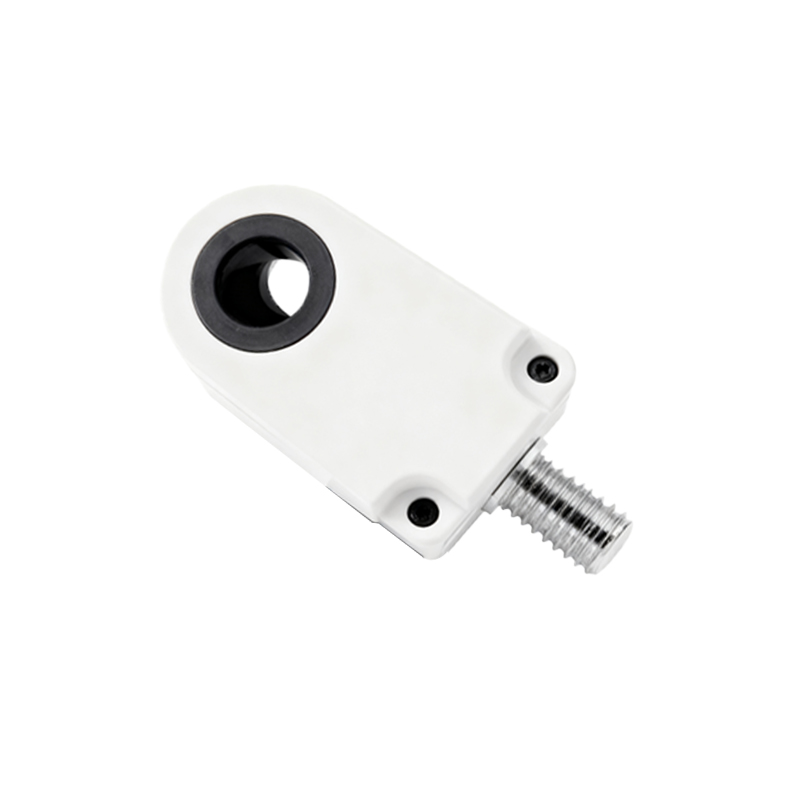
The physical and electrical specifications are equally crucial. The sensing distance must be carefully calculated to ensure reliable detection without risk of mechanical collision. Factors such as the target material, size, and approach speed must be accounted for. The sensor's housing style is another consideration; cylindrical sensors are popular for their ease of mounting, while rectangular or block-style sensors might be used in space-constrained environments. The output type—typically PNP (sourcing) or NPN (sinking)—must be compatible with the controller's input module. Furthermore, selecting a sensor with a high degree of ingress protection (e.g., IP67) is vital for withstanding the harsh conditions often found in industrial settings where indexers operate.
Installation and alignment are paramount for optimal performance. The sensor must be mounted securely to prevent vibration-induced misalignment, which can cause false signals or failure to detect. The air gap between the sensor face and the target should be set according to the manufacturer's specifications, usually within 70% to 80% of the nominal sensing distance to account for thermal expansion and mechanical tolerances. For detecting angular position, a metal target or flag is often attached to the output shaft. The sensor is then positioned so that the target passes through its sensing field at the exact moment the indexer reaches its desired dwell position. Proper shielding and routing of the sensor cable are essential to minimize electrical noise interference, which can be significant in panels containing motor drives and other power electronics.
Integrating the sensor signal into the control system is the final step. The signal is typically wired to a high-speed input on a Programmable Logic Controller (PLC) or a dedicated motion controller. The controller's logic uses this signal as a verification point. For instance, it can confirm that the indexer has completed its move and is securely locked in the dwell position before initiating the next process, such as a welding operation or a pick-and-place sequence. This interlocking is fundamental for machine safety and process integrity. Advanced systems may use multiple sensors for monitoring different positions or for providing redundant verification in safety-critical applications.
Regular maintenance and troubleshooting are necessary to prevent unplanned downtime. Common issues include the accumulation of metallic debris on the sensor face, which can reduce the effective sensing distance, or physical damage from accidental impact. Periodically checking the sensor's alignment and cleaning its face is a simple yet effective practice. When a fault is suspected, using a diagnostic tool to monitor the sensor's output LED or measuring the signal voltage at the controller can quickly isolate whether the issue lies with the sensor itself, the wiring, or the target.
In conclusion, proximity sensors are the silent sentinels of cam indexer systems. A methodical approach to their selection—prioritizing the correct technology, robust construction, and precise specifications—combined with meticulous installation and integration, ensures that these components deliver the reliability and precision that modern automated manufacturing demands. Their correct application transforms a powerful mechanical device into a seamlessly controlled and highly reliable automation asset.