In the rapidly evolving landscape of telecommunications, laser sensors have emerged as critical components enabling high-precision measurement, data transmission, and network infrastructure monitoring. Telecom laser sensor manufacturers are at the forefront of this technological advancement, developing devices that ensure reliability, speed, and efficiency in modern communication systems. These sensors utilize laser technology to detect minute changes in distance, vibration, or environmental conditions, which is essential for maintaining the integrity of fiber-optic networks, base stations, and satellite communications.
The industry is characterized by a blend of established giants and innovative startups, each contributing to the ecosystem with specialized products. Leading manufacturers such as Lumentum, II-VI Incorporated, and Finisar (now part of II-VI) dominate the market with their extensive portfolios, which include distributed feedback (DFB) lasers, vertical-cavity surface-emitting lasers (VCSELs), and photodiodes. These components are integral to wavelength division multiplexing (WDM) systems, allowing multiple data streams to be transmitted simultaneously over a single optical fiber, thereby enhancing bandwidth capacity. Additionally, companies like Hamamatsu Photonics and Thorlabs focus on high-sensitivity sensors for monitoring signal integrity and detecting faults in real-time, which is crucial for minimizing downtime in telecom networks.
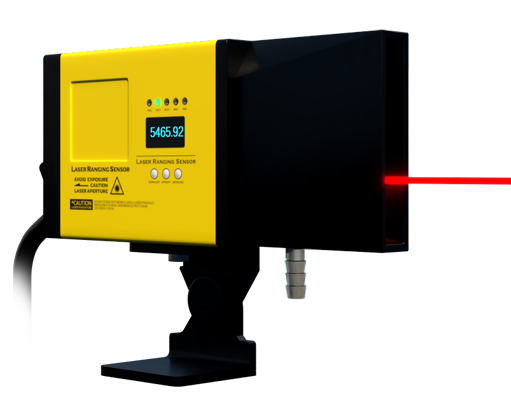
Technological innovation drives competition among telecom laser sensor manufacturers. Recent trends include the development of tunable lasers that can adjust wavelengths dynamically, supporting flexible grid networks and software-defined networking (SDN). Moreover, the integration of artificial intelligence (AI) and machine learning (ML) into sensor systems enables predictive maintenance, where potential failures are identified before they disrupt services. For instance, sensors embedded in 5G infrastructure can monitor temperature fluctuations and mechanical stress, alerting operators to anomalies that could affect performance. This proactive approach reduces operational costs and improves network resilience, making it a key selling point for manufacturers targeting telecom operators.
Quality and compliance are paramount in this sector. Manufacturers must adhere to international standards such as ITU-T recommendations and ISO certifications to ensure interoperability and safety. The production process involves rigorous testing for parameters like wavelength stability, output power, and signal-to-noise ratio, often conducted in controlled cleanroom environments to prevent contamination. Furthermore, with the global push toward sustainability, many manufacturers are investing in energy-efficient designs and recyclable materials, aligning with green telecom initiatives. This not only meets regulatory requirements but also appeals to environmentally conscious clients seeking to reduce their carbon footprint.
The market for telecom laser sensors is expanding due to the rollout of 5G networks, the growth of Internet of Things (IoT) devices, and increasing demand for high-speed internet. According to industry reports, the Asia-Pacific region, led by China, Japan, and South Korea, is a major hub for both production and consumption, driven by government investments in digital infrastructure. North America and Europe follow closely, with manufacturers collaborating with telecom giants like Verizon and Deutsche Telekom to deploy advanced sensor solutions. However, challenges such as supply chain disruptions, high R&D costs, and intense competition can impact profitability, pushing manufacturers to innovate continuously and form strategic partnerships.
In conclusion, telecom laser sensor manufacturers play a vital role in shaping the future of communication technology. By leveraging cutting-edge laser technology, they enable faster, more reliable networks that support global connectivity. As the industry evolves, focusing on customization, AI integration, and sustainability will be essential for staying competitive. For telecom operators and engineers, selecting the right manufacturer involves evaluating technical specifications, compliance records, and after-sales support to ensure seamless integration into existing systems. Ultimately, the collaboration between manufacturers and end-users will drive further advancements, paving the way for next-generation telecom applications.