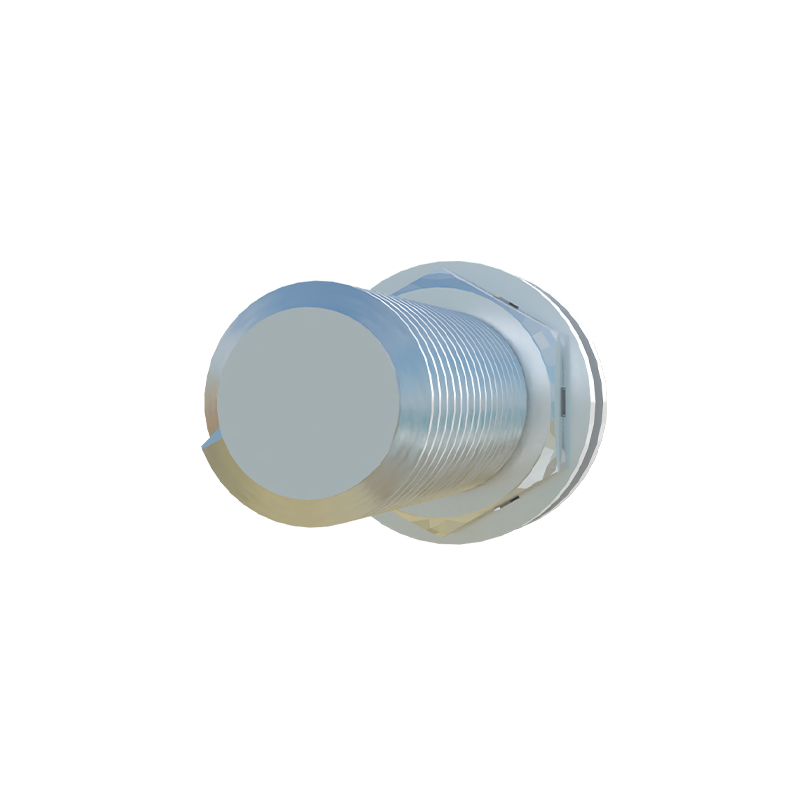
Proximity sensors are essential components in industrial automation, robotics, and safety systems, detecting the presence or absence of objects without physical contact. A common question among engineers and technicians is: "What is the output voltage of a proximity sensor?" The answer depends on the sensor type, design, and application requirements. Typically, proximity sensors provide output signals in standardized voltage ranges to interface with control systems like PLCs (Programmable Logic Controllers) or microcontrollers.
The most prevalent output voltage levels for proximity sensors are 5V DC, 12V DC, and 24V DC, aligning with industrial control standards. For instance, many inductive and capacitive proximity sensors operate on a 10-30V DC supply voltage and deliver a switched output—either high (close to the supply voltage) or low (near 0V)—when an object is detected. In a 24V DC system, the output might be approximately 24V in the active state and below 2V in the inactive state, ensuring clear signal differentiation. Photoelectric sensors often follow similar patterns, though some variants offer analog outputs (e.g., 0-10V) for distance measurement, where voltage varies proportionally with proximity.
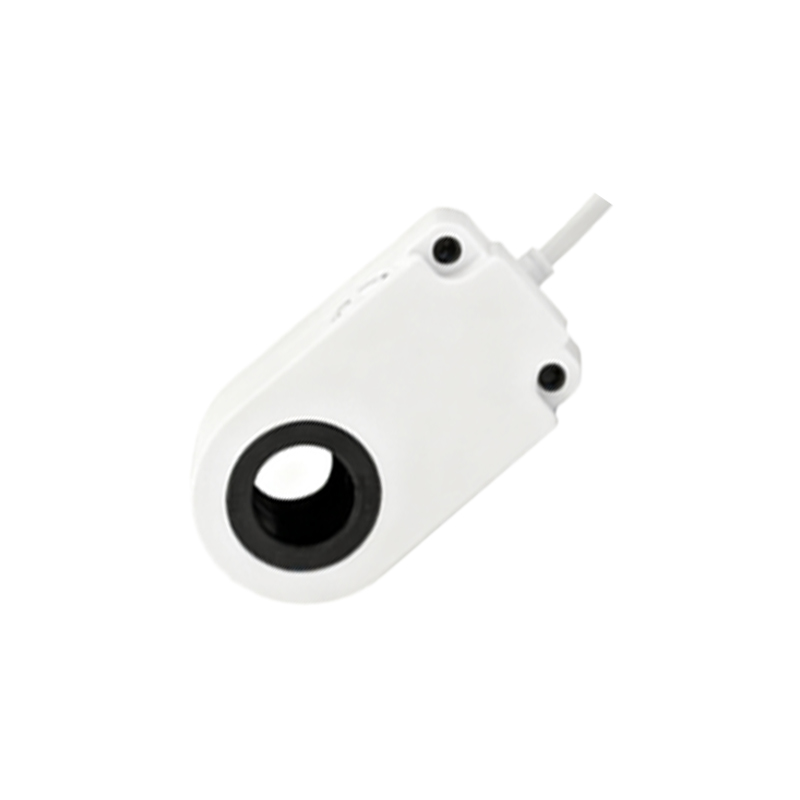
Factors influencing output voltage include sensor technology (inductive, capacitive, photoelectric), circuit design (NPN vs. PNP transistors), and load conditions. NPN sensors, common in sinking configurations, pull the output to ground when active, resulting in a low voltage signal. Conversely, PNP sensors, used in sourcing setups, provide a positive voltage output when triggered. Engineers must match sensor outputs with input specifications of receiving devices to avoid malfunctions. For example, a 5V output sensor may not reliably drive a 24V input module without signal conditioning.
Additionally, environmental aspects like voltage drops, electromagnetic interference, and cable length can affect output integrity. Shielding, proper wiring, and adherence to manufacturer datasheets are crucial. In summary, proximity sensor output voltage is not a fixed value but a design choice tailored to system compatibility, with 12-24V DC being industry favorites for robustness. Always verify specifications for optimal integration.