In the rapidly evolving landscape of industrial automation, intelligent proximity sensors have emerged as critical components for enhancing operational efficiency and safety. These sensors detect the presence or absence of objects without physical contact, leveraging advanced technologies to provide precise, reliable data. Understanding the structural diagram of an intelligent proximity sensor is essential for engineers and technicians aiming to optimize their integration into complex systems.
A typical intelligent proximity sensor comprises several key structural elements, each contributing to its functionality. The core component is the sensing element, which may utilize inductive, capacitive, or photoelectric principles depending on the application. Inductive sensors, for instance, generate an electromagnetic field to detect metallic objects, while capacitive sensors respond to both metallic and non-metallic materials by measuring changes in capacitance. Photoelectric sensors employ light beams to identify objects, offering versatility in range and material compatibility. Surrounding the sensing element is the oscillator circuit, which generates the necessary signals for detection. In intelligent models, this circuit is often integrated with microprocessors that enable programmable features such as adjustable sensing ranges, output configurations, and diagnostic capabilities.
The housing or enclosure of the sensor plays a vital role in protecting internal components from environmental hazards like dust, moisture, and mechanical impact. Constructed from materials such as stainless steel or rugged plastics, these enclosures are designed to meet industry standards like IP67 or IP69K for ingress protection. Within the housing, the signal processing unit interprets data from the sensing element, converting it into readable outputs. Intelligent sensors incorporate digital signal processors (DSPs) or application-specific integrated circuits (ASICs) to filter noise, compensate for temperature variations, and enhance accuracy. This unit is connected to the output stage, which typically provides switching signals via transistor outputs, analog outputs (e.g., 4-20 mA or 0-10 V), or digital communication interfaces like IO-Link, PROFINET, or Ethernet/IP.
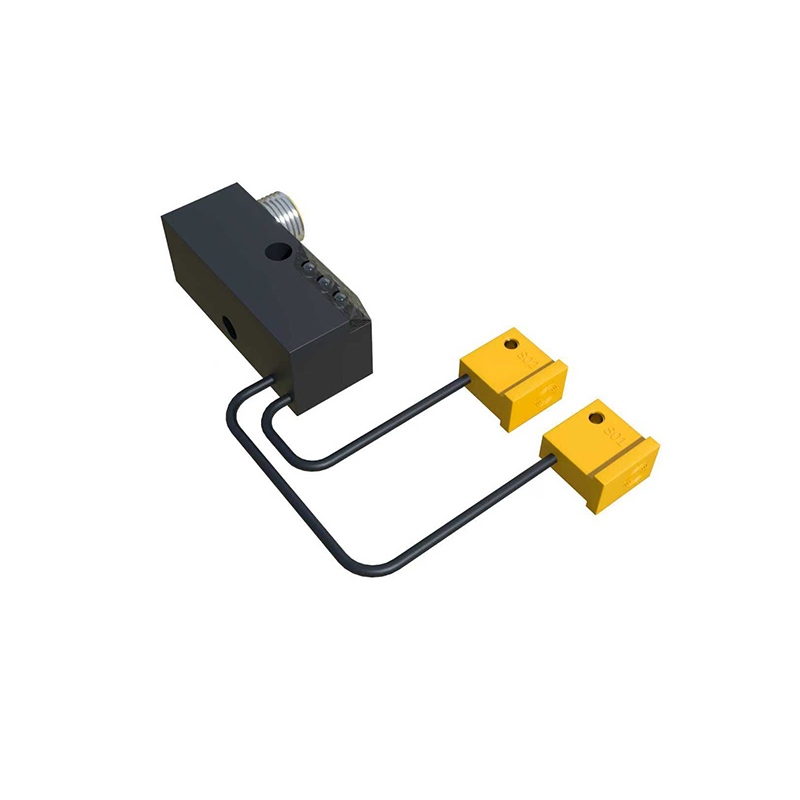
A structural diagram also highlights the power supply section, which ensures stable operation by regulating voltage inputs, often ranging from 10-30 V DC. Intelligent sensors may include power management features to minimize energy consumption, aligning with sustainability goals in modern industries. Additionally, indicators such as LEDs are integrated into the design to display operational status, facilitating quick troubleshooting. For instance, a green LED might signal normal detection, while a flashing red LED could indicate a fault or misalignment.
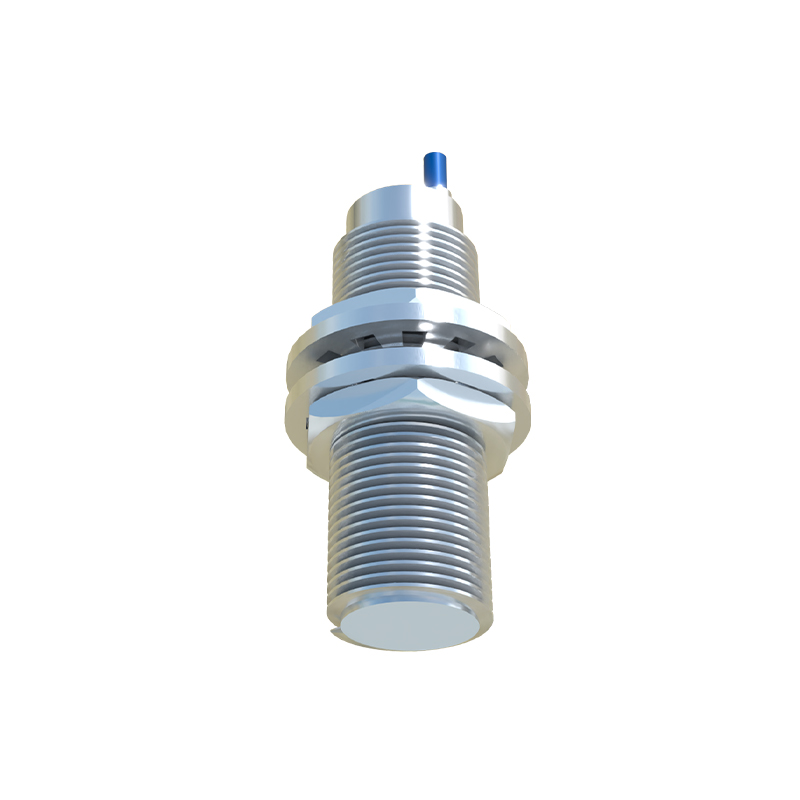
The connectivity interface is another crucial aspect depicted in structural diagrams. Advanced intelligent proximity sensors support networking protocols that allow seamless integration into Industrial Internet of Things (IIoT) ecosystems. Through these interfaces, sensors can transmit real-time data to control systems, enabling predictive maintenance, process optimization, and remote monitoring. Engineers can adjust parameters via software tools, reducing downtime and enhancing flexibility.
In practice, analyzing a structural diagram aids in selecting the right sensor for specific applications, such as assembly lines, robotics, or material handling. For example, in high-speed packaging systems, sensors with fast response times and robust housings are preferred to withstand rapid cycles and harsh conditions. Understanding the interplay between components—from the sensing element to the communication module—ensures reliable performance and longevity.
As industries embrace smart manufacturing, the demand for intelligent proximity sensors continues to grow. Future developments may focus on miniaturization, enhanced wireless capabilities, and AI-driven analytics for autonomous decision-making. By mastering the structural intricacies through diagrams, professionals can leverage these innovations to drive productivity and innovation in the electrical and automation sectors.