In the rapidly evolving landscape of industrial automation and precision engineering, the integration of laser technology with sensor systems has emerged as a transformative force. This synergy is not merely an incremental improvement but a fundamental shift that enhances accuracy, reliability, and efficiency across various applications. Sensors, which serve as the eyes and ears of modern machinery, are now being "hit" or enhanced by lasers in ways that redefine their capabilities.
Traditionally, sensors have relied on mechanical, electrical, or optical principles to detect changes in environment, position, or condition. However, the advent of laser-based enhancements has introduced unprecedented levels of precision. For instance, laser interferometry allows sensors to measure displacements with nanometer accuracy, enabling applications in semiconductor manufacturing and aerospace where minute tolerances are critical. By directing laser beams onto sensor components, engineers can calibrate and fine-tune these devices to eliminate errors caused by thermal expansion or vibrational noise. This process, often referred to as "laser striking," involves using focused laser energy to modify sensor surfaces or align internal elements, resulting in improved signal-to-noise ratios and longer operational lifespans.
One prominent example is in LiDAR (Light Detection and Ranging) systems, where lasers are integral to sensor functionality. Here, sensors capture reflected laser pulses to generate detailed 3D maps of surroundings, facilitating advancements in autonomous vehicles and robotics. The laser's ability to provide coherent, high-intensity light ensures that sensors can operate effectively even in low-visibility conditions, such as fog or darkness. Moreover, laser annealing techniques are used to treat sensor materials like silicon or graphene, enhancing their sensitivity and response times. This is particularly valuable in medical diagnostics, where sensors must detect subtle biological signals with utmost reliability.

The impact extends to quality control in manufacturing. Laser-engraved sensors can incorporate microscopic patterns that improve light absorption or thermal conductivity, leading to better performance in temperature or pressure sensing. In energy sectors, sensors equipped with laser-driven components monitor pipeline integrity or turbine efficiency, reducing downtime and preventing failures. The environmental benefits are also notable, as laser-enhanced sensors contribute to smarter grid management and pollution detection, aligning with global sustainability goals.
Despite these advantages, challenges remain, such as the high initial costs of laser integration and the need for specialized expertise. However, ongoing research in photonics and materials science is driving down expenses while expanding possibilities. Future trends may include quantum sensors leveraging laser entanglement for ultra-precise measurements, opening doors to breakthroughs in fundamental physics and communication technologies.
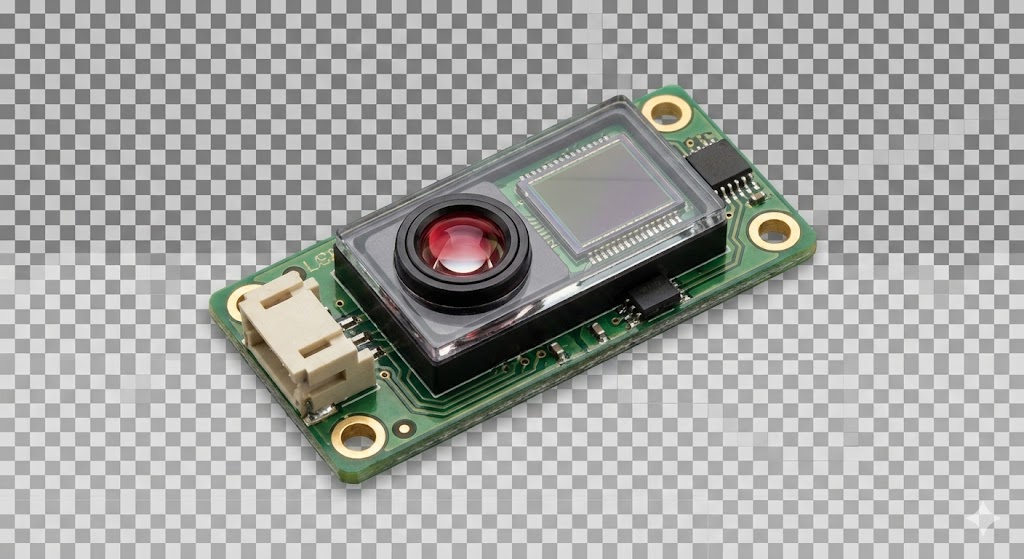
In conclusion, the fusion of lasers with sensor technology represents a pivotal advancement in engineering. By harnessing the power of light, industries are achieving levels of precision and efficiency once deemed unattainable, paving the way for smarter, more responsive systems that will shape the future of automation and beyond.
