In the realm of industrial automation and control systems, proximity sensors stand as critical components for non-contact detection of objects. Selecting the correct original model number is paramount for ensuring system reliability, compatibility, and optimal performance. This guide provides an in-depth overview of prominent proximity sensor original model numbers from leading global manufacturers, detailing their key specifications and typical applications.
A primary consideration is the sensing technology. Inductive proximity sensors are ubiquitous for detecting metallic objects. Within this category, renowned series include the Siemens 3RG series (e.g., 3RG4012, 3RG4022), known for their robustness in harsh environments. The Omron E2E and E2A series offer a wide range of cylindrical models with various sensing distances and output configurations. For high-performance demands, the Pepperl+Fuchs NBN and NBB series provide exceptional switching frequency and temperature stability. The Rockwell Automation/Allen-Bradley 871T and 872C series are staples in North American industrial panels, valued for their durability.
Capacitive proximity sensors, capable of detecting both metallic and non-metallic materials, feature distinct model lines. The Sick C series (e.g., C10, C30) is highly regarded for its sensitivity adjustment and ability to detect liquids through non-metallic containers. The Balluff BCS series offers compact designs with advanced diagnostics, while the Turck BC series provides robust housing for challenging conditions.
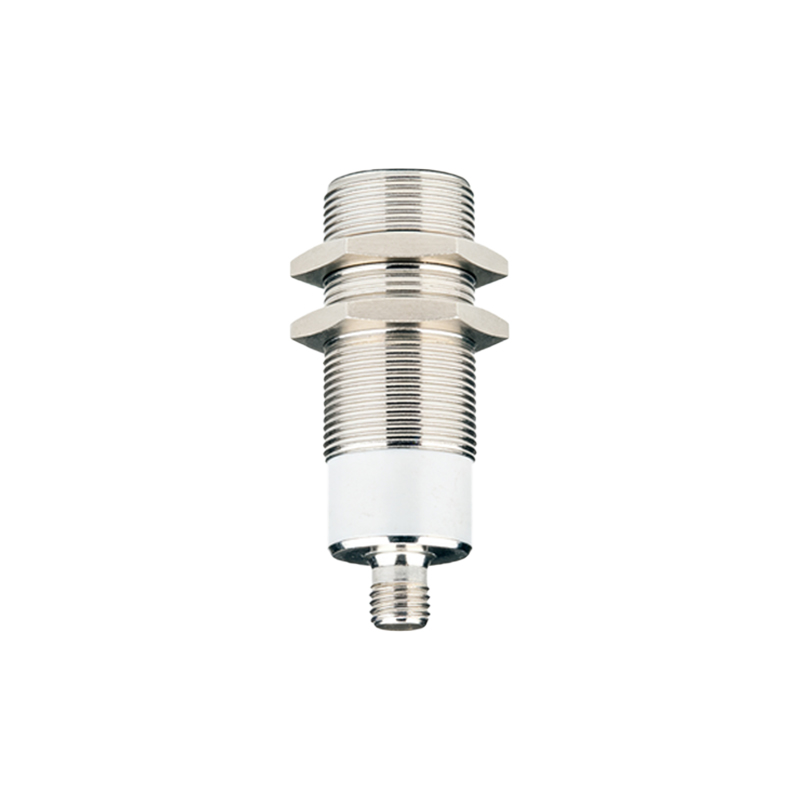
Magnetic sensors, or reed switches activated by magnets, are represented by series like the Sick MHT and MHA for pneumatic cylinder position sensing, and the ifm electronic SM series, which integrates seamlessly into valve manifolds.
Photoelectric sensors, though sometimes categorized separately, function on a proximity principle. Key original models include the Banner Engineering QS18, an industry-standard tubular sensor, and the Keyence PZ2/GX series, renowned for their advanced background suppression and high-speed detection capabilities. The Sick WTT and WTB series offer versatile, modular photoelectric sensors with various sensing modes (diffuse, retro-reflective, through-beam).
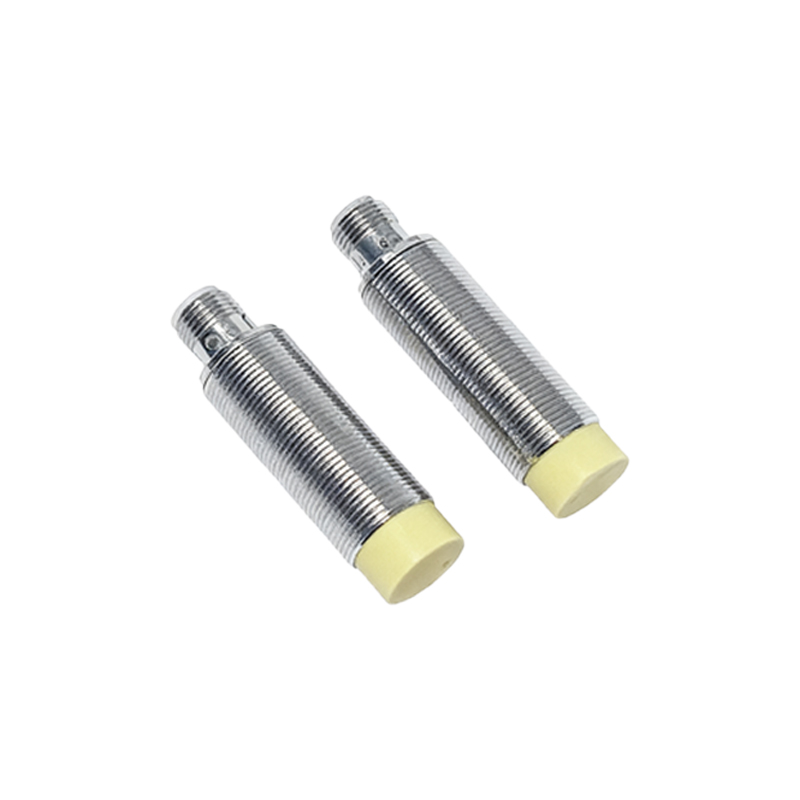
Ultrasonic proximity sensors from manufacturers like Pepperl+Fuchs UC series and Sick UM series provide precise distance measurement and level detection for solids and liquids, unaffected by color or transparency.
When specifying an original model number, engineers must decode the alphanumeric string. It typically encodes critical parameters: sensing distance (e.g., 5mm, 8mm, 15mm), housing style (e.g., cylindrical M8, M12, M18, M30; rectangular), output type (NPN/PNP, NO/NC, analog), connection method (cable or connector, often M8 or M12), and supply voltage (10-30V DC, 90-250V AC). For instance, an Omron E2E-X5ME1 indicates an inductive, M8 threaded cylindrical sensor with a 1mm sensing distance, NPN NO output, and a pre-wired cable.
The importance of using genuine original models cannot be overstated. Counterfeit or "compatible" sensors may have subtle differences in hysteresis, temperature drift, EMC performance, or housing material that can lead to premature failure, false triggers, or safety hazards. Genuine parts ensure the published specifications are met and guarantee support from the manufacturer.
In conclusion, navigating the landscape of proximity sensor original model numbers requires understanding both the manufacturer's coding system and the application's technical requirements. Specifying models such as the Siemens 3RG, Omron E2E, Pepperl+Fuchs NBN, Sick C10, or Banner QS18 ensures a foundation of quality and reliability. Always consult the latest manufacturer datasheets for precise dimensional drawings, electrical characteristics, and environmental ratings to make the optimal selection for your control system. Proper selection and sourcing of these original components are fundamental to maintaining efficient and trouble-free industrial operations.