In the dynamic landscape of industrial automation, short-body proximity sensors have carved out a critical niche. Their compact design allows for installation in space-constrained applications, offering reliable non-contact detection of metallic objects. For procurement specialists, engineers, and plant managers, understanding the factors that influence the price of these sensors is essential for making informed purchasing decisions that balance cost, performance, and long-term value.
The pricing of short-body proximity sensors is not determined by a single factor but is a complex interplay of several key elements. At the core is the sensing technology. Inductive sensors, the most common type for detecting metals, generally have a lower entry price point. However, prices can increase significantly based on the target material (standard steel, stainless steel, aluminum), sensing distance, and switching frequency. Capacitive models, used for detecting non-metallic materials, often command a higher price due to their more complex circuitry and calibration requirements.
Construction and housing material are substantial cost drivers. Economical sensors typically feature plastic or nickel-plated brass housings. For harsh environments—common in food and beverage, chemical processing, or washdown applications—sensors with high-grade stainless steel housings (e.g., 316L), specialized seals (IP67, IP69K), and robust cabling or connector options are necessary. This enhanced durability and ingress protection come at a premium, reflecting the higher material costs and manufacturing precision involved.
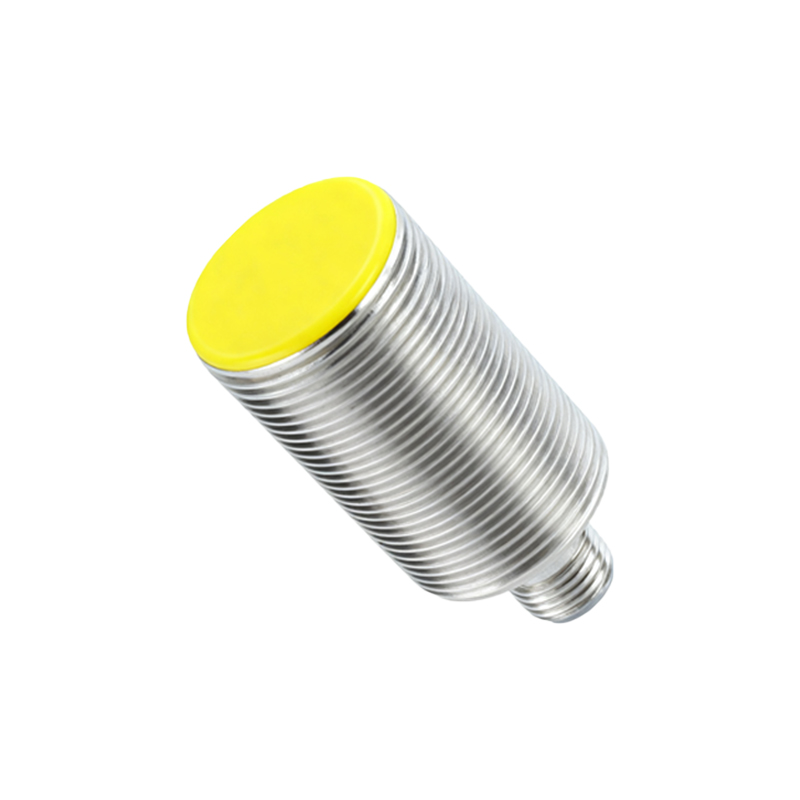
Electrical characteristics and output configurations directly impact price. Basic two-wire DC sensors are often the most cost-effective. Three-wire DC sensors (PNP or NPN) and four-wire models offering both NO (Normally Open) and NC (Normally Closed) outputs in one device provide greater flexibility but at a higher cost. Analog output sensors (0-10V, 4-20mA), used for distance measurement, are priced higher than simple digital switches. Furthermore, sensors with advanced diagnostics like IO-Link connectivity add a layer of smart functionality, enabling predictive maintenance and easier parameter setting, which is reflected in their price.
Brand reputation and supply chain logistics form another critical layer. Established global manufacturers (e.g., Omron, Sick, Pepperl+Fuchs, Balluff) invest heavily in R&D, quality control, and global support networks. Their products often carry a price premium justified by proven reliability, extensive certification (UL, CE, ATEX), and readily available technical support. Conversely, generic or white-label sensors may offer lower initial purchase prices but can pose risks regarding consistency, longevity, and availability of replacement parts. Lead times and regional distribution channels also affect the final landed cost.
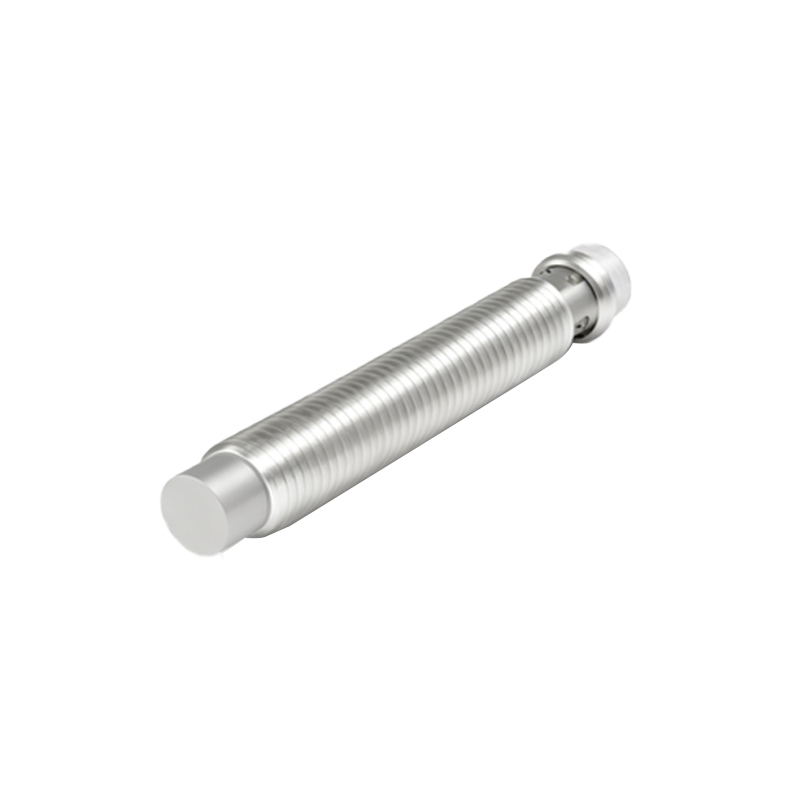
When evaluating price, it is crucial to adopt a Total Cost of Ownership (TCO) perspective. The cheapest sensor on the catalog may lead to higher costs through frequent failures, unplanned downtime, and production losses. A slightly higher initial investment in a sensor with the correct specifications for the application environment—be it extreme temperatures, vibration, or exposure to coolants—typically yields a far better return on investment through extended service life and operational reliability.
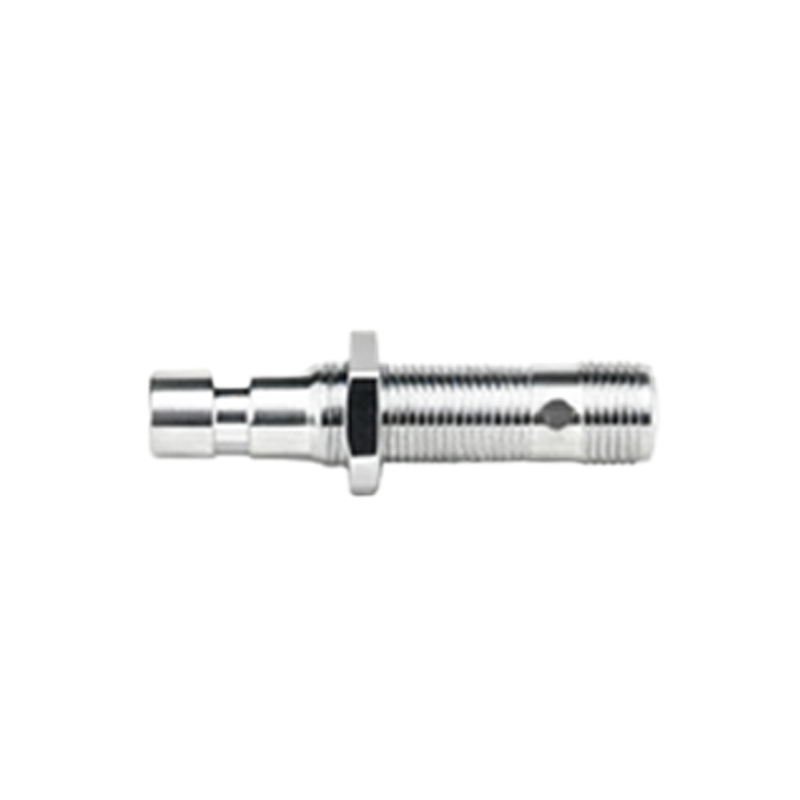
The market also sees pricing fluctuations based on raw material costs (copper, plastics, semiconductors), geopolitical factors affecting trade, and technological advancements. The integration of smarter features into compact housings is a ongoing trend that influences price points.
In conclusion, the price of a short-body proximity sensor is a direct reflection of its technological sophistication, construction quality, functional capabilities, and brand value. A thorough analysis of the application requirements—environment, sensing object, required output, and necessary certifications—is the first step toward selecting a sensor that offers optimal value. Prioritizing specifications over price alone ensures a solution that enhances system efficiency and minimizes long-term operational risks, making the sensor not just a component purchase, but a strategic investment in plant productivity.