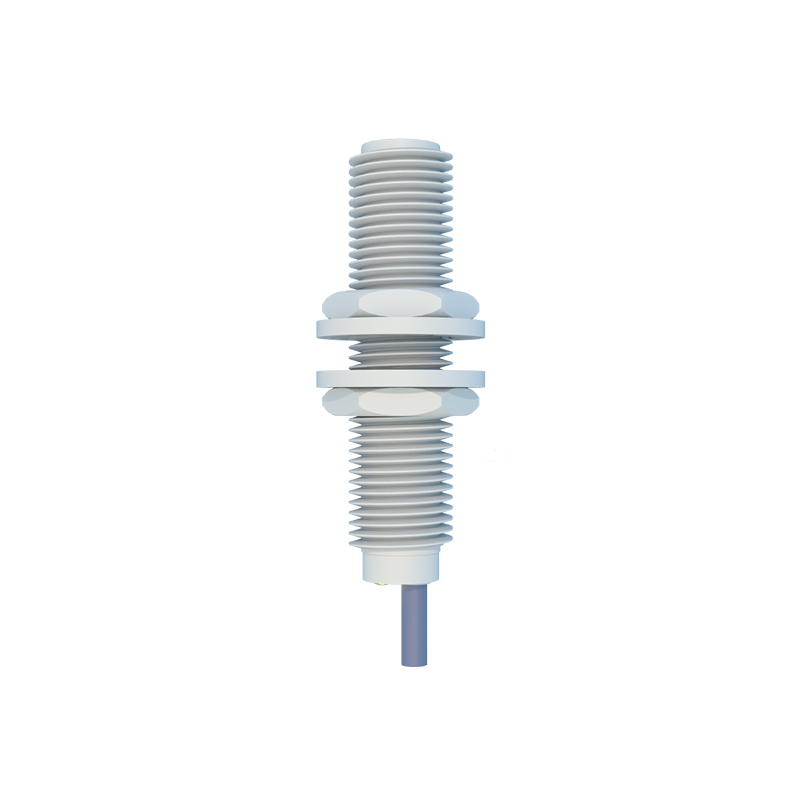
In industrial automation and control systems, proximity sensors are indispensable components for detecting the presence or absence of objects without physical contact. Among various configurations, the 3-wire proximity sensor stands out as one of the most widely used designs due to its reliability, ease of integration, and versatility. This article delves into the operational principles, wiring configurations, selection criteria, and practical applications of 3-wire industrial proximity sensors, providing engineers with essential knowledge for effective implementation.
At its core, a 3-wire proximity sensor operates based on electromagnetic, capacitive, or inductive principles, with inductive types being predominant in metal detection applications. The sensor generates an electromagnetic field; when a target object enters this field, it causes a change in oscillation, which the sensor detects and converts into an electrical signal. The "3-wire" designation refers to the wiring setup: typically, one wire is for power supply (positive), one for ground (negative), and one for the output signal. This configuration allows for both sourcing (PNP) and sinking (NPN) output types, giving flexibility in interfacing with programmable logic controllers (PLCs) and other control devices.
Wiring these sensors correctly is crucial for system safety and performance. In a PNP (sourcing) sensor, the output wire provides positive voltage when activated, meaning the load is connected between the output and ground. Conversely, an NPN (sinking) sensor switches the ground connection, with the load connected between the positive supply and the output. Engineers must match the sensor type with the control system's input requirements to avoid malfunctions. For instance, many PLCs accept either PNP or NPN inputs, but some are designed specifically for one type. Always refer to the sensor datasheet and control system manual before installation. Key wiring steps include: ensuring proper voltage ratings (commonly 10-30V DC), using shielded cables in electrically noisy environments, and implementing short-circuit protection to prevent damage.
Selecting the right 3-wire proximity sensor involves several factors beyond just output type. Sensing range, which varies from a few millimeters to several centimeters, should be chosen based on the application's distance requirements. Material compatibility is also vital—inductive sensors work best with metals, while capacitive sensors can detect non-metallic materials like plastics or liquids. Environmental conditions, such as temperature extremes, humidity, and exposure to chemicals or vibrations, dictate the need for robust housing ratings like IP67 or IP69K for waterproof and dustproof performance. Additionally, response time and switching frequency must align with the speed of the automated process to ensure timely detection without missed signals.
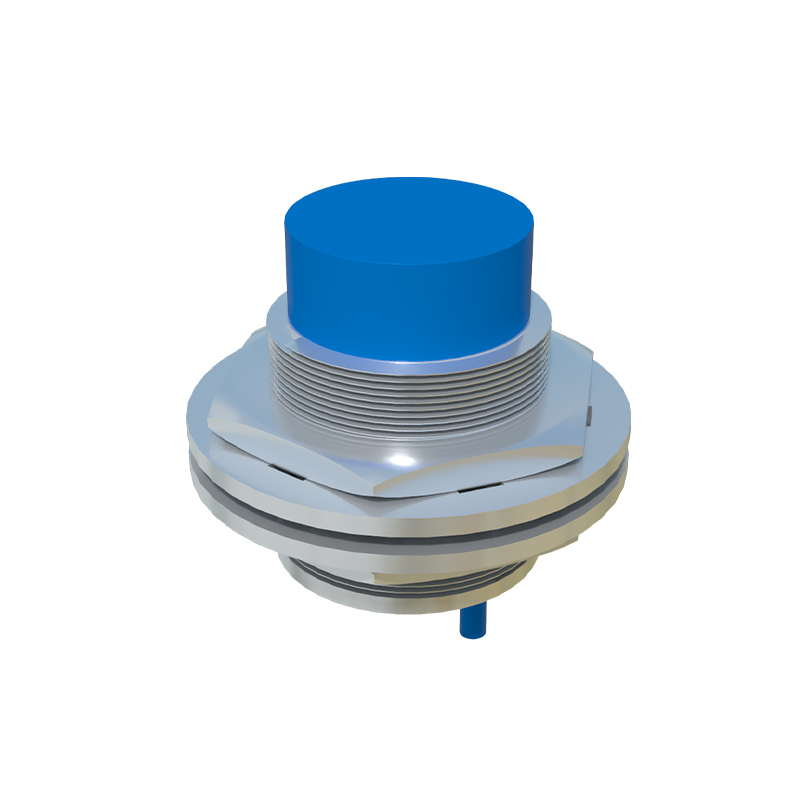
In practice, 3-wire proximity sensors find applications across diverse industries. In manufacturing, they are used for part positioning on conveyor belts, detecting end-of-travel in robotic arms, and ensuring safety in machinery by monitoring guard positions. Automotive assembly lines rely on them for verifying component presence, while packaging systems utilize sensors to count products or control filling levels. Their durability and minimal maintenance needs make them ideal for harsh environments, such as in mining or food processing, where sensors may face washdowns or abrasive particles.
Despite their advantages, engineers should be aware of common challenges. Electrical interference from motors or frequency drives can cause false triggering, necessitating proper grounding and filtering. Mounting proximity sensors requires precision to avoid sensing inaccuracies due to misalignment or material variations. Regular calibration and testing are recommended to maintain optimal performance over time. Moreover, with the rise of Industry 4.0, many modern 3-wire sensors now feature IO-Link connectivity for enhanced diagnostics and data exchange, enabling predictive maintenance and smarter automation networks.
In summary, 3-wire industrial proximity sensors offer a balanced solution for reliable object detection in automated systems. By understanding their wiring schemes, operational limits, and application-specific requirements, engineers can leverage these sensors to improve efficiency, safety, and productivity. As technology evolves, integrating smart features with traditional designs will continue to expand their role in advanced industrial ecosystems.