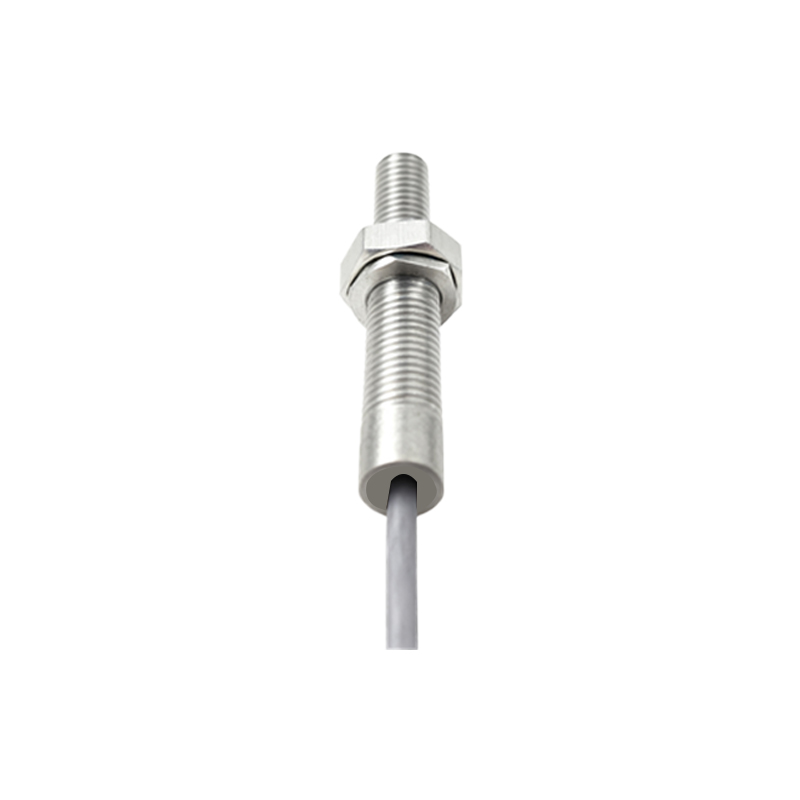
In industrial automation and machinery, proximity sensors are indispensable components for detecting the presence or absence of objects without physical contact. However, these sensors often operate in harsh environments where oil contamination is a common challenge. This article explores whether oil accumulation on proximity sensors impacts their functionality, reliability, and longevity, providing insights for maintenance and selection.
Proximity sensors, including inductive, capacitive, and ultrasonic types, rely on electromagnetic fields or sound waves to detect targets. When oil or grease coats the sensor face, it can interfere with these detection mechanisms. For inductive sensors, which detect metallic objects, a thin layer of oil might not significantly hinder performance, as the electromagnetic field can penetrate non-conductive substances. However, excessive oil buildup can attract debris, forming a thicker, conductive sludge that may cause false triggers or reduced sensing ranges. In contrast, capacitive sensors, designed to detect both metallic and non-metallic materials, are more sensitive to changes in the dielectric constant. Oil, being a non-conductive fluid, can alter the sensor's capacitance, leading to inaccurate readings or failure to detect targets. Ultrasonic sensors, which use sound waves, may experience signal attenuation or reflection issues if oil obstructs the transducer, compromising accuracy in distance measurement.
Beyond immediate detection issues, oil contamination poses long-term risks. Oil can seep into sensor housings, damaging internal electronics and causing corrosion. This is especially problematic in high-temperature settings, where oil may degrade into abrasive residues, accelerating wear. Additionally, oil mixed with dust or metal particles can create a conductive paste, leading to short circuits or sensor drift. Regular exposure to oils, particularly synthetic or corrosive varieties, may degrade sensor materials like plastics or seals, resulting in leaks or complete failure.
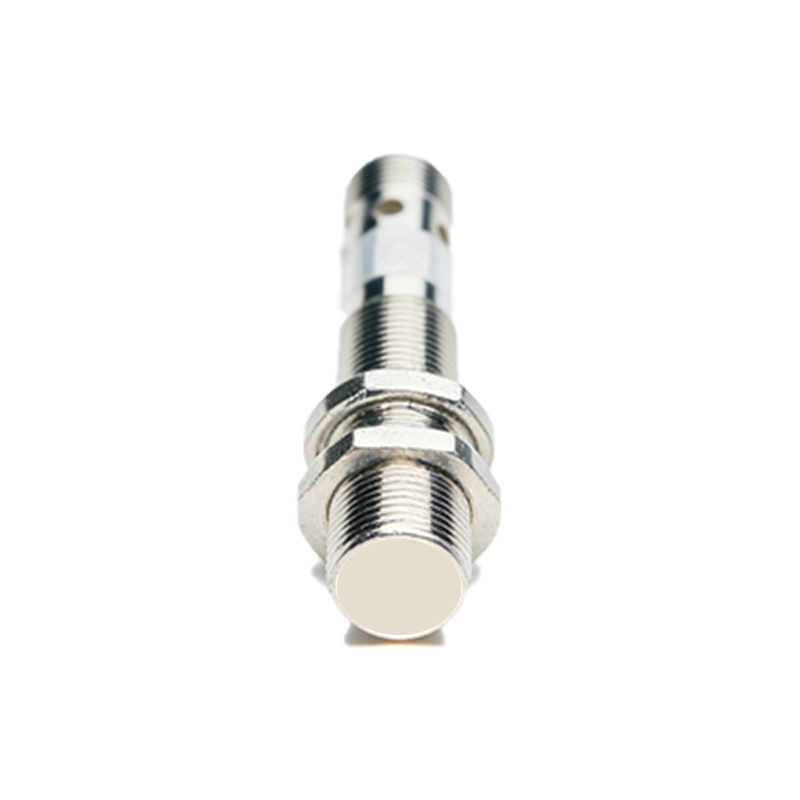
To mitigate these effects, proper sensor selection and maintenance are crucial. For oily environments, choose sensors with high IP (Ingress Protection) ratings, such as IP67 or IP69K, which offer resistance to liquids and solids. Sealed or oil-resistant models, often labeled as "oil-proof" or "washdown-ready," are ideal for applications in automotive, food processing, or metalworking industries. Routine cleaning with appropriate solvents can prevent oil buildup, but avoid harsh chemicals that might damage sensor coatings. Implementing protective measures, like mounting sensors away from direct oil spray or using protective shrouds, can further enhance durability.
In summary, while some proximity sensors may tolerate minor oil exposure, significant contamination generally impairs performance and lifespan. Engineers should assess environmental conditions and opt for robust sensor designs to ensure reliable operation. By understanding the interaction between oil and sensor technology, industries can reduce downtime and maintenance costs, optimizing automation systems for efficiency and safety.