Proximity sensors are indispensable components in modern industrial automation, offering non-contact detection of objects within a defined range. These devices operate on various physical principles, each suited to specific environmental conditions and application requirements. The most common types include inductive, capacitive, ultrasonic, and photoelectric sensors.
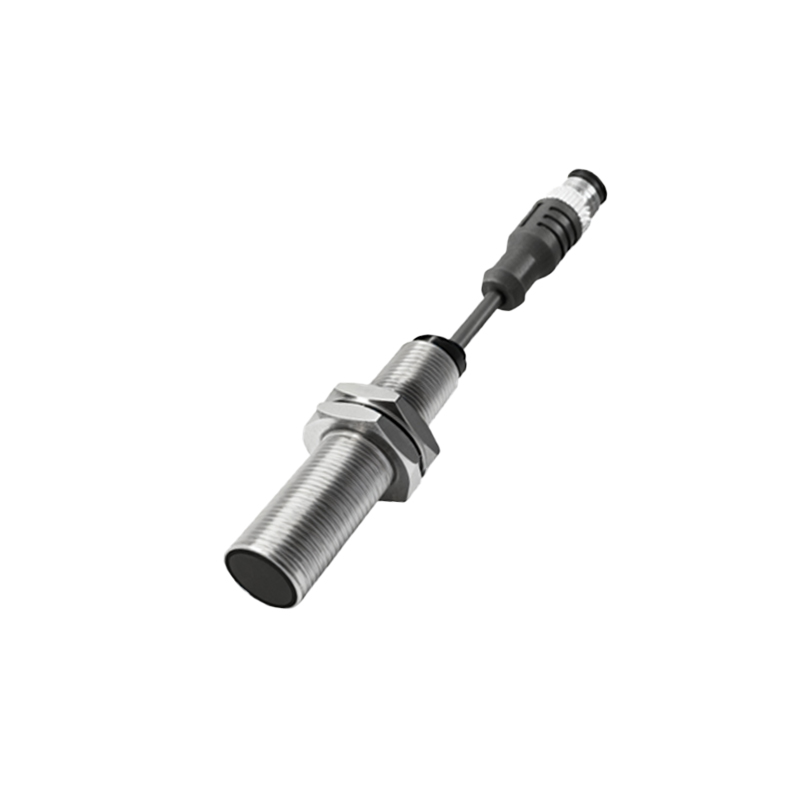
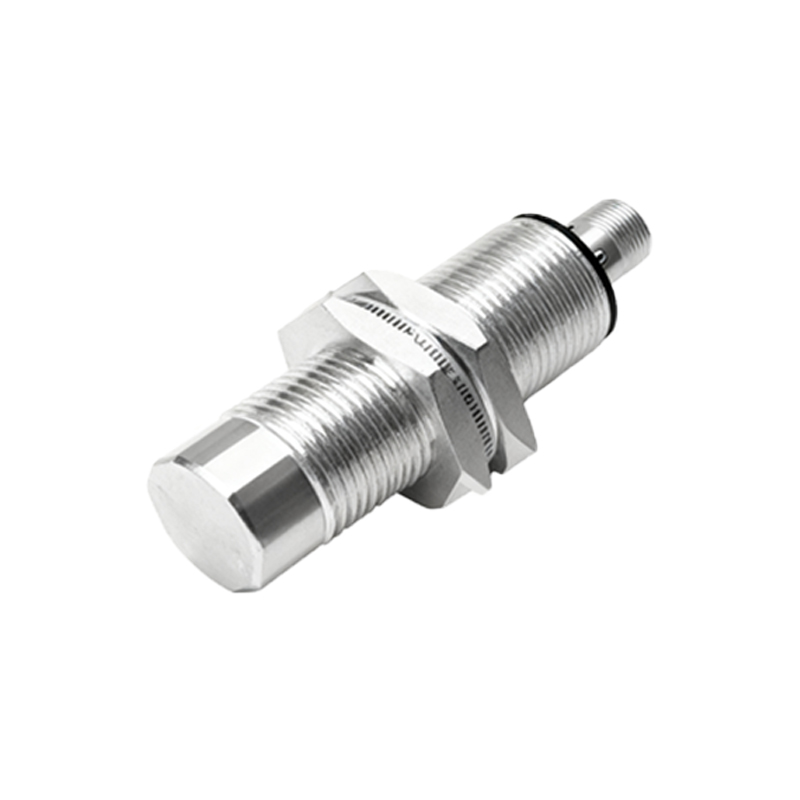
Inductive proximity sensors are widely used for detecting metallic objects. They generate an electromagnetic field from a coil and oscillator circuit. When a metal target enters this field, eddy currents are induced on the metal surface, causing a change in the oscillation amplitude. This change is detected by the sensor's circuitry, which triggers an output signal. These sensors are robust, resistant to environmental factors like dust and moisture, and are ideal for applications in metal detection, such as counting parts on a conveyor or determining the position of a machine component.
Capacitive proximity sensors can detect both metallic and non-metallic materials, including liquids, powders, and plastics. They function by generating an electrostatic field. When an object enters this field, it alters the capacitance of the system, which is measured by the sensor. This makes them versatile for level detection in tanks, material handling, and presence sensing of non-metallic objects. However, they can be sensitive to environmental changes like humidity.
Ultrasonic sensors emit high-frequency sound waves and measure the time taken for the echo to return after hitting an object. They are effective for distance measurement and detecting objects regardless of material composition, color, or transparency. Common applications include liquid level control, object positioning, and collision avoidance in automated guided vehicles (AGVs). Their performance can be affected by temperature variations and acoustic interference.
Photoelectric sensors use light beams, typically infrared, to detect objects. They consist of an emitter and a receiver. When an object interrupts or reflects the light beam, the receiver detects the change, triggering an output. These sensors are suitable for long-range detection and can sense small or fast-moving objects. They are commonly used in packaging, assembly lines, and safety systems. Ambient light and surface reflectivity can influence their accuracy.
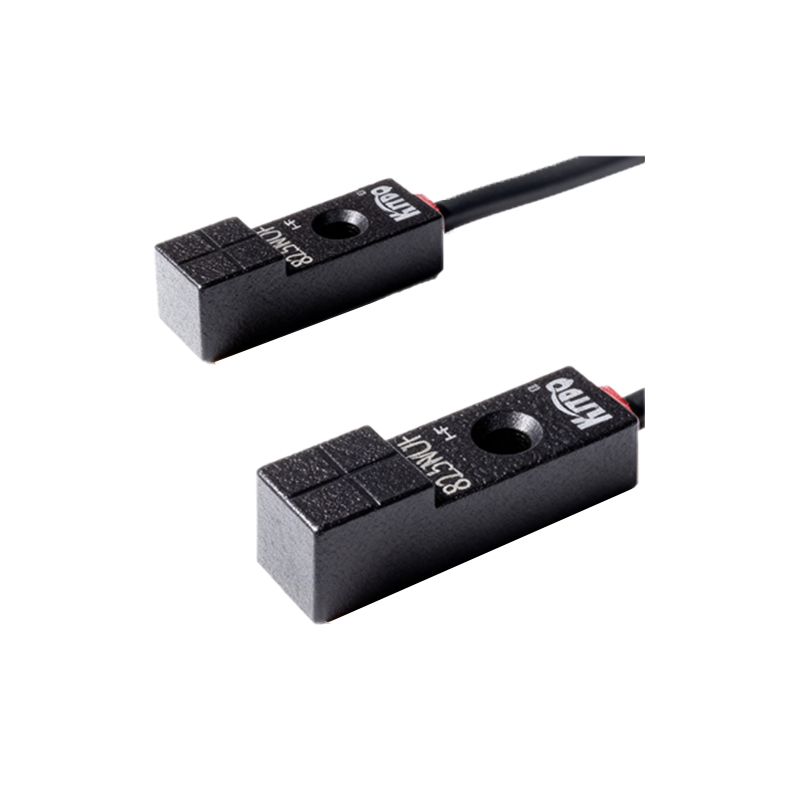
The selection of a proximity sensor depends on factors such as the target material, required sensing distance, environmental conditions, and response speed. In industrial settings, these sensors enhance efficiency, safety, and reliability. For instance, in automotive manufacturing, inductive sensors monitor robotic arm positions, while capacitive sensors check fluid levels. Ultrasonic sensors assist in warehouse automation for inventory management, and photoelectric sensors ensure precise alignment in electronics assembly.
Maintenance and calibration are crucial for optimal performance. Regular checks for contamination, damage, and electrical connections help prevent failures. Advances in technology have led to the development of smart sensors with integrated diagnostics and communication protocols like IO-Link, enabling predictive maintenance and seamless integration into Industry 4.0 systems.
In summary, proximity sensors are vital for automation, offering reliable, non-contact detection across diverse industries. Understanding their principles and applications allows engineers to implement effective solutions, improving productivity and system intelligence. As industries evolve, these sensors will continue to play a key role in enabling smarter, more responsive manufacturing environments.