In the realm of industrial automation and machine control, proximity sensors stand as fundamental components, enabling non-contact detection of objects. Among the various configurations available, 12V DC proximity sensors are particularly prevalent due to their compatibility with standard control circuits and widespread availability. This article delves into the operational principles, types, key specifications, and application considerations for these essential devices.
At its core, a proximity sensor is a device that detects the presence or absence of an object within its sensing range without physical contact. The 12V DC specification refers to its operating voltage, making it suitable for integration into common industrial control panels, Programmable Logic Controllers (PLCs), and vehicle electrical systems. The non-contact nature of these sensors eliminates mechanical wear, ensuring high reliability and a long operational lifespan, which is critical in demanding industrial environments.
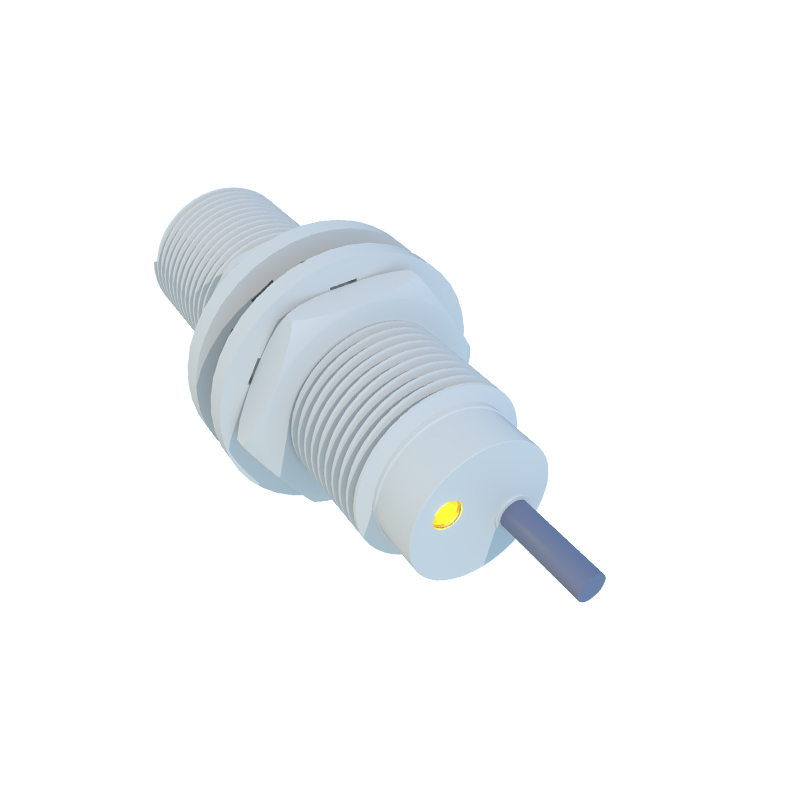
There are several primary sensing technologies employed in 12V proximity sensors, each with distinct advantages. Inductive proximity sensors are the most common type for metal detection. They generate an electromagnetic field; when a metallic object enters this field, it induces eddy currents, causing a change in the sensor's oscillation amplitude. This change is processed by the internal circuitry to trigger a switching output. These sensors are ideal for detecting ferrous and non-ferrous metals, though their effective sensing range varies with the target material.
Capacitive proximity sensors, on the other hand, can detect both metallic and non-metallic materials, such as plastics, liquids, powders, and wood. They function by generating an electrostatic field. The presence of any object with a dielectric constant different from air alters the capacitance of the circuit, triggering the output switch. This makes them versatile for applications like level detection in tanks or presence sensing of packaging materials.
Magnetic proximity sensors, often referred to as reed switches or sensors using Hall-effect technology, detect permanent magnets. They are frequently used in safety applications, such as door position monitoring, or in conjunction with pneumatic cylinders that have integrated magnets to indicate piston position. Their operation is highly reliable and unaffected by non-magnetic contaminants.
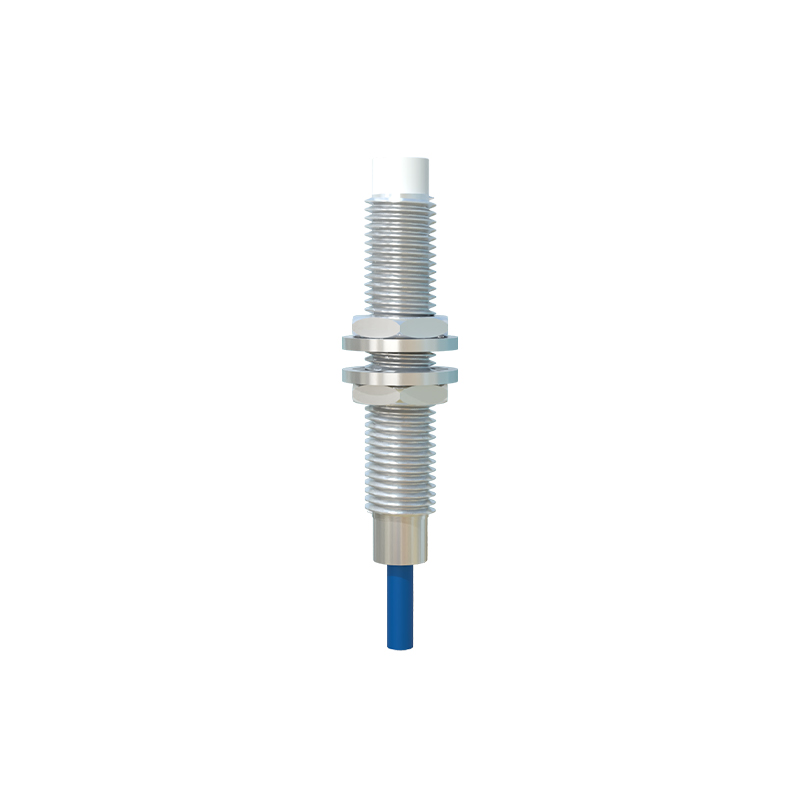
When selecting a 12V DC proximity sensor, several key specifications must be evaluated. The sensing distance, or nominal range, is paramount. It is defined for a standard target and can be reduced for non-standard materials or conditions. The output type is another critical factor. Sensors come with digital outputs, typically as NPN (sinking) or PNP (sourcing) transistor configurations, which interface directly with PLC inputs. Some models offer analog (4-20mA or 0-10V) or IO-Link outputs for continuous distance measurement. The housing material, typically nickel-plated brass, stainless steel, or PBT plastic, must be chosen based on the environmental conditions, including exposure to chemicals, washdowns, or mechanical impact. Ingress Protection (IP) ratings, such as IP67 or IP69K, indicate the level of protection against dust and liquids.
Installation and wiring require careful attention. Proper mounting, often flush or non-flush as specified by the manufacturer, ensures the rated sensing distance is achieved. Electrical noise in industrial settings can cause interference, so using shielded cables and maintaining proper separation from power lines is recommended. Most 12V sensors feature built-in protection against short-circuits, reverse polarity, and transient voltages, but adhering to the manufacturer's guidelines is essential for optimal performance.
The applications for 12V proximity sensors are vast. They are ubiquitous in automated assembly lines for part counting, position verification, and end-of-travel detection. In material handling, they monitor the position of pallets, boxes, and robotic arms. Within automotive manufacturing, they ensure precise positioning of components. Their use extends to packaging machinery, CNC machine tools for tool positioning, and even in mobile equipment for monitoring hydraulic cylinder positions.
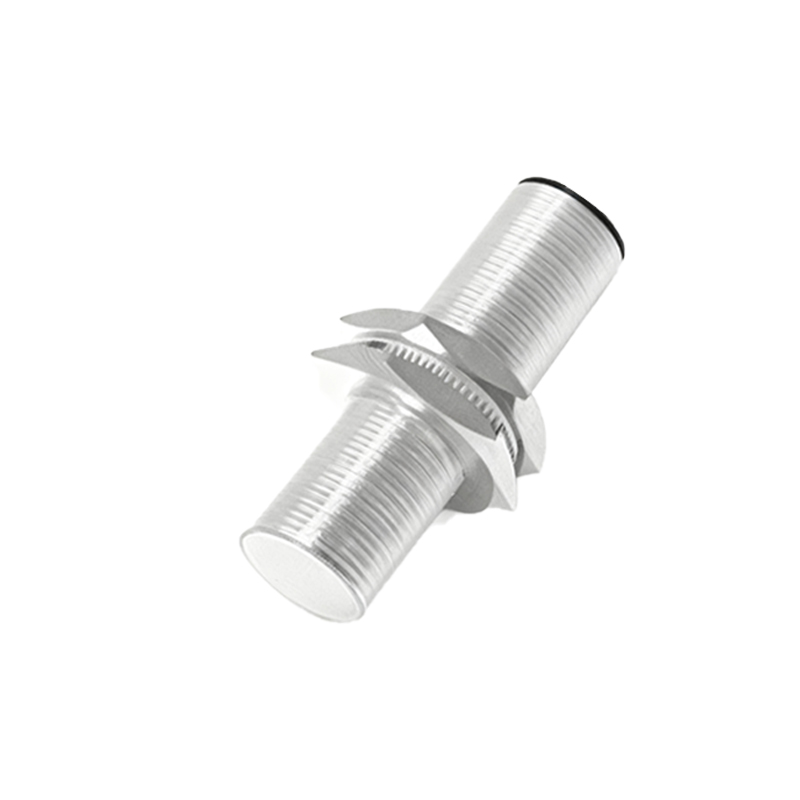
In conclusion, the 12V DC proximity sensor is a versatile, robust, and indispensable component in modern industrial systems. Understanding the different sensing technologies—inductive, capacitive, and magnetic—along with their respective specifications and application nuances, allows engineers and technicians to select the optimal sensor for a given task. This ensures enhanced machine reliability, improved safety, and greater overall efficiency in automated processes. As technology advances, these sensors continue to evolve, offering smarter features like diagnostic capabilities through IO-Link, further solidifying their role in the foundation of industrial automation.