In the intricate world of industrial automation and machinery, proximity sensors stand as critical components, enabling non-contact detection of objects and ensuring seamless, efficient operations. For engineers, procurement specialists, and system integrators, identifying reliable proximity sensor supplier factory addresses is more than a logistical step; it's a strategic decision impacting supply chain resilience, quality assurance, and technical support. This guide delves into the importance of knowing factory locations and provides insights into navigating the global landscape of proximity sensor manufacturing.
Understanding the significance of a supplier's physical factory address begins with transparency and traceability. A verifiable factory location signifies an established manufacturing entity with dedicated infrastructure for production, quality control, and R&D. It allows for potential audits, fostering trust in the supplier's capabilities. For instance, a factory specializing in inductive proximity sensors should have advanced facilities for coil winding, ferrite core manufacturing, and rigorous testing under various environmental conditions. Knowing the address is the first step in verifying these capabilities.
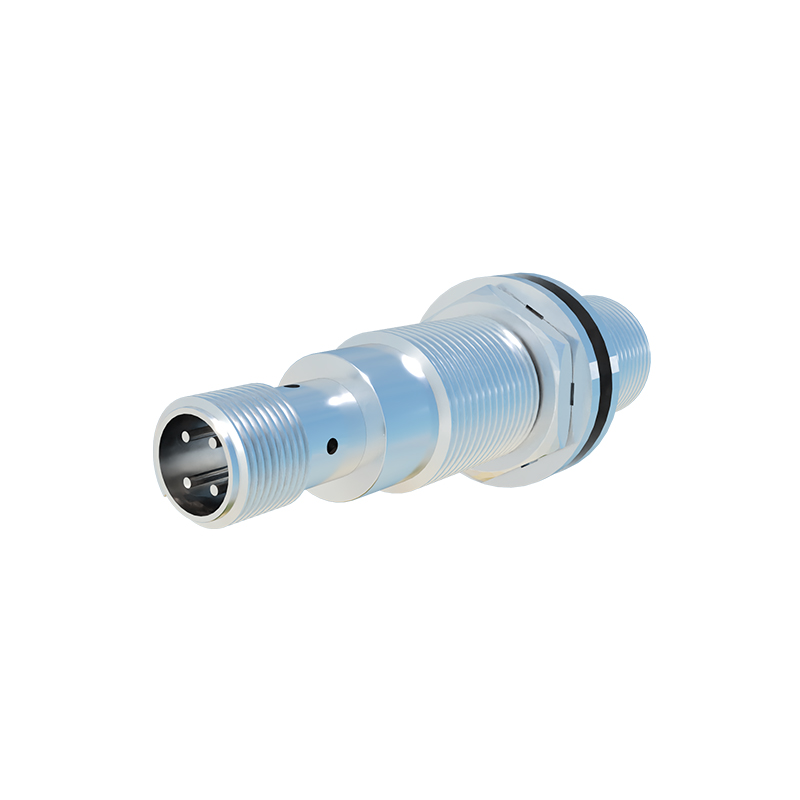
Globally, proximity sensor production is concentrated in several key regions, each with distinct characteristics. Major industrial hubs in Europe, such as Germany and Italy, host factories renowned for high-precision, robust sensors designed for demanding applications in automotive and heavy machinery. These factories often emphasize custom engineering solutions. In North America, suppliers with factories across the United States and Mexico cater strongly to the automotive, packaging, and material handling sectors, focusing on just-in-time delivery and local technical support.
The Asia-Pacific region, particularly Japan, South Korea, and China, represents a massive manufacturing base. Factories here range from large-scale facilities producing vast quantities of standardized inductive, capacitive, and ultrasonic sensors to specialized workshops focusing on niche applications. When sourcing from this region, confirming the exact factory address is crucial for assessing scale, specialization, and compliance with international quality standards like ISO 9001. A factory in a well-established industrial park often indicates better infrastructure and regulatory adherence.
Beyond mere location, the factory address is a gateway to evaluating logistical efficiency. Proximity to major ports, airports, and freight corridors directly impacts lead times and shipping costs. For urgent requirements or large-volume orders, a supplier with a factory strategically located near your region or primary logistics hubs can be a significant advantage. Furthermore, it affects the ease of arranging factory acceptance tests (FAT), where clients can witness product testing before shipment, ensuring specifications are met.
Technical collaboration is another dimension. A supplier with a clearly identified factory address typically houses its core engineering team on-site. This facilitates direct communication for application troubleshooting, custom design requests, and co-development projects. It contrasts with purely sales-oriented distributors who may lack deep technical backing. Knowing you can reach the engineering team at a specific factory location adds a layer of confidence in solving complex integration challenges.
When searching for factory addresses, rely on official channels. Reputable suppliers list their headquarters and manufacturing plant addresses on their official corporate websites, often under "Contact Us" or "Company Profile" sections. Industry directories, trade association listings, and verified B2B platforms are also reliable sources. Be cautious of suppliers who only provide vague regional information or P.O. boxes without a concrete physical plant address, as this may indicate a trading company without direct manufacturing control.
In conclusion, the address of a proximity sensor supplier's factory is a key piece of intelligence in the procurement process. It underpins assessments of manufacturing legitimacy, quality potential, logistical feasibility, and access to technical expertise. In an era where supply chain visibility is paramount, taking the time to locate and verify these factory addresses is not just due diligence; it's a fundamental practice for building resilient, high-performance automation systems. Prioritize suppliers who are transparent about their manufacturing footprint, as this transparency is often reflective of their overall commitment to quality and customer partnership.