In the landscape of industrial automation and precision sensing, proximity sensors stand as fundamental components for non-contact detection. Among the diverse technologies available, a sophisticated convergence has emerged: the integration of photoelectric, magnetic, and fiber optic principles into hybrid proximity sensors. These advanced devices, often termed proximity photoelectric magnetic fiber optic sensors, represent a significant leap in capability, offering solutions for environments where traditional sensors fall short. This article delves into their operational principles, key advantages, and pivotal applications across demanding industrial sectors.
At its core, a proximity sensor detects the presence or absence of an object within a specified range without physical contact. The hybrid sensor discussed here synergistically combines three distinct sensing modalities. The photoelectric element typically involves an infrared LED light source and a phototransistor or photodiode receiver. Light is transmitted, often via a fiber optic cable, and the sensor detects changes in the received light intensity caused by the target object interrupting or reflecting the beam. The magnetic element, usually based on a Hall-effect or magnetoresistive sensor, detects the presence of a magnetic field, commonly from a permanent magnet attached to the target. The fiber optic component is not a sensing principle per se but a transmission medium. It serves as a robust conduit for the light signal, physically separating the sensitive electronic emitter and receiver units from the harsh sensing point.
The true power of this hybrid design lies in its multifaceted advantages. Firstly, fiber optic transmission provides exceptional immunity to electromagnetic interference (EMI) and radio frequency interference (RFI), which is critical in environments with heavy machinery, variable frequency drives, or welding equipment. Secondly, by locating the electronics remotely, the sensor head can operate in extreme temperatures, corrosive atmospheres, high-pressure zones, or explosive (Ex) areas where electronics would be unsafe or unreliable. The sensor head itself can be made from inert, rugged materials like stainless steel or specialized polymers. Thirdly, the dual sensing capability—responding to both light interruption and magnetic fields—allows for versatile and highly reliable detection. For instance, a system can be configured where the photoelectric beam detects any opaque object, while the magnetic element provides a confirmatory signal only when the object contains an embedded magnet, enabling precise part identification or state verification. This redundancy enhances system reliability and error-proofing.
Applications for these robust sensors are extensive and critical. In automotive manufacturing, they are deployed in paint shops and welding lines where high EMI and particulate contamination are prevalent. They reliably detect robotic tooling, pallet positions, and door closures. In the semiconductor and flat-panel display industry, where ultra-clean environments and precision are paramount, these sensors monitor wafer cassette presence, robot arm positions, and valve states without risking contamination from electronic leakage or outgassing. Material handling and packaging machinery benefit from their ability to detect metallic and non-metallic objects alike, from glass bottles to magnetic latches on containers, ensuring smooth automation. Furthermore, in heavy industries like metal forming, stamping, and foundries, they withstand intense heat, vibration, and coolant exposure to monitor die positions, part ejection, and safety guards.
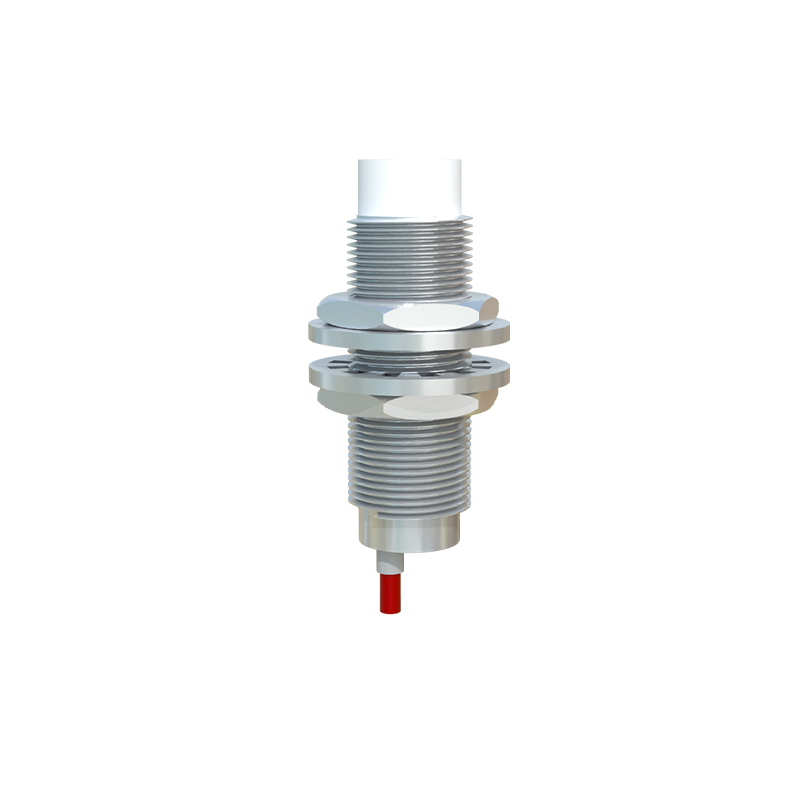
Recent industry advancements focus on enhancing intelligence and connectivity. Modern versions integrate IO-Link communication, enabling not just binary switching but the transmission of detailed diagnostic data, such as signal strength, operating temperature, and device health, directly to the control system for predictive maintenance. Miniaturization is another key trend, allowing installation in increasingly cramped machinery. The development of more sensitive magnetic elements and brighter, more efficient light sources has extended sensing ranges and improved performance in dirty or dusty conditions where light attenuation is a challenge.
Selecting the appropriate sensor requires careful consideration of several parameters: the required sensing distance, the nature of the target (opaque/translucent, magnetic/non-magnetic), the environmental conditions (temperature, chemicals, washdown requirements), the required output type (digital switch, analog, IO-Link), and the necessary response speed. Consulting with sensor specialists is often invaluable for optimizing application performance.
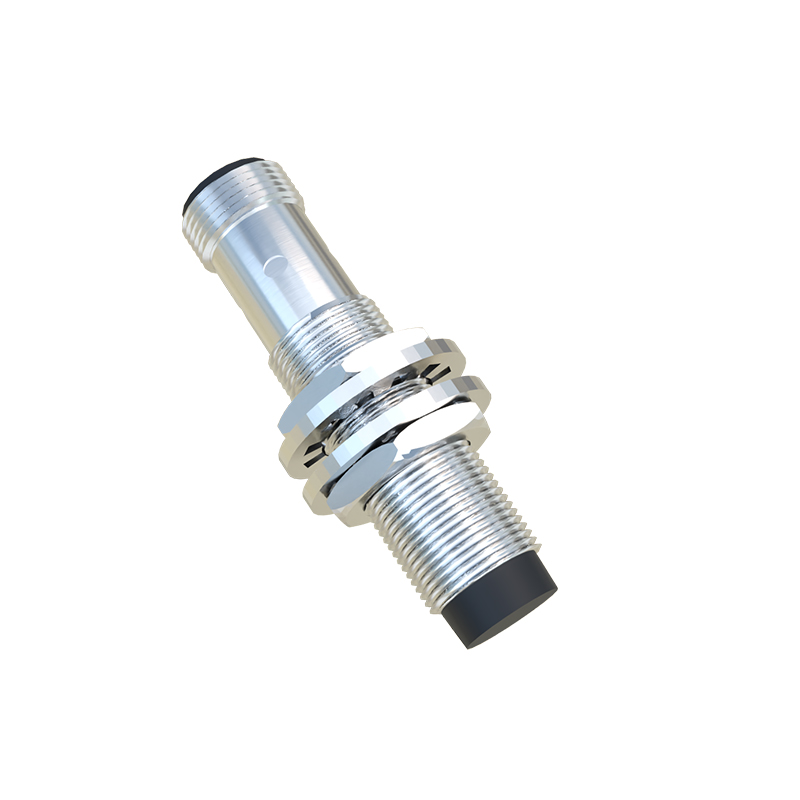
In conclusion, proximity photoelectric magnetic fiber optic sensors are not merely incremental improvements but transformative tools for advanced industrial sensing. By masterfully combining optical, magnetic, and fiber optic technologies, they deliver unparalleled reliability, durability, and versatility in the most challenging applications. As industries push towards greater automation, efficiency, and data integration, the role of these sophisticated sensors will only become more central, driving innovation and ensuring operational resilience on the factory floor and beyond.