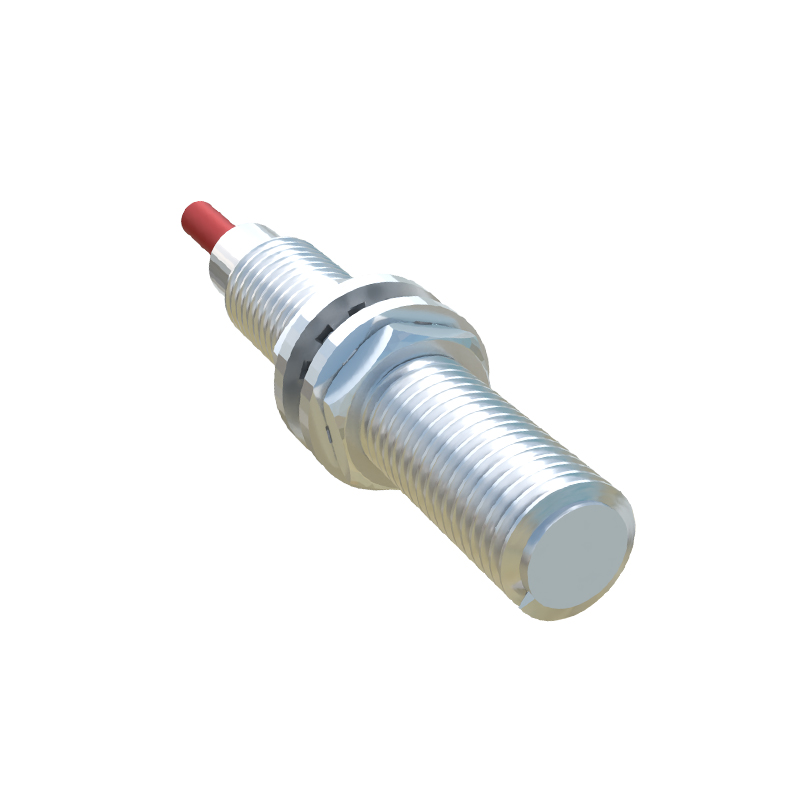
Proximity photoelectric sensors, also known as photoelectric proximity switches, are indispensable components in modern industrial automation, playing a critical role in object detection, positioning, and counting without physical contact. Their robust performance in harsh environments stems from a sophisticated internal construction designed for reliability, precision, and longevity. This article delves into the core components and operational principles that define these versatile devices.
At the heart of a typical proximity photoelectric sensor lies three fundamental internal sections: the emitter, the receiver, and the signal processing circuitry. The emitter is usually a light-emitting diode (LED) that generates the detection beam. For standard applications, visible red or infrared LEDs are common due to their cost-effectiveness and adequate range. For more demanding tasks requiring higher precision or resistance to ambient light interference, sensors may employ laser diodes. The LED is housed within a precisely machined lens assembly that collimates the emitted light into a focused beam, defining the sensor's sensing range and spot size.
Opposite the emitter, separated within the sensor housing, is the receiver section. Its core component is a phototransistor or a photodiode, a semiconductor device specifically designed to be sensitive to the wavelength of light emitted by the paired LED. This receiver also features a lens system to collect the reflected or direct light. The sensitivity of the receiver is crucial; it must reliably detect the returning light signal while effectively filtering out background optical noise from factory lighting or other sources.
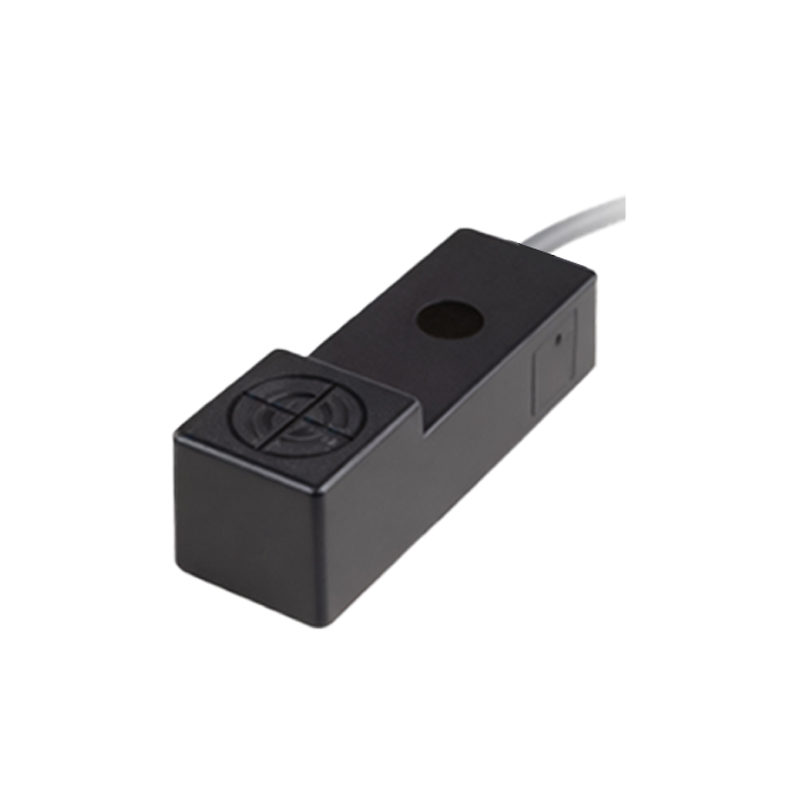
The true intelligence of the sensor resides in its integrated signal processing circuitry. This electronic brain performs several critical functions. First, it drives the emitter LED, often using a modulated pulse signal. This modulation—rapidly switching the light on and off at a specific frequency—is a key innovation. It allows the receiver's circuitry to be tuned to recognize only light pulsing at that exact frequency, dramatically enhancing immunity to constant ambient light. The circuitry then amplifies the tiny electrical signal generated by the receiver phototransistor. Following amplification, a comparator circuit evaluates the signal strength against a pre-set threshold. Only when the received signal exceeds this threshold does the circuitry trigger a change in the sensor's output state, switching a solid-state transistor (for PNP or NPN outputs) or a relay.
The physical housing encapsulates and protects these delicate components. Constructed from materials like nickel-plated brass, stainless steel, or industrial-grade plastics, the housing provides ingress protection (e.g., IP67, IP69K) against dust, oils, and high-pressure washdowns. The lens window, typically made from scratch-resistant polycarbonate or glass, is seamlessly integrated to maintain this seal. Internal potting compounds are often used to secure components, provide vibration resistance, and offer additional thermal and environmental protection.
The working principle is defined by the optical design, primarily implemented in three configurations: through-beam, retro-reflective, and diffuse-reflective. In a through-beam sensor, the emitter and receiver are in separate housings facing each other. An object is detected when it interrupts the beam. This mode offers the longest sensing distance and highest reliability. The retro-reflective type houses both emitter and receiver in the same unit, using a dedicated reflector to bounce the beam back. Detection occurs when an object breaks this reflected beam. It is immune to the object's color or reflectivity but can be fooled by shiny objects. The most common and compact is the diffuse-reflective sensor. Here, the sensor detects light reflected directly off the target object itself. Its performance is heavily influenced by the object's color, size, and surface texture, with white objects being detected at greater distances than black ones.
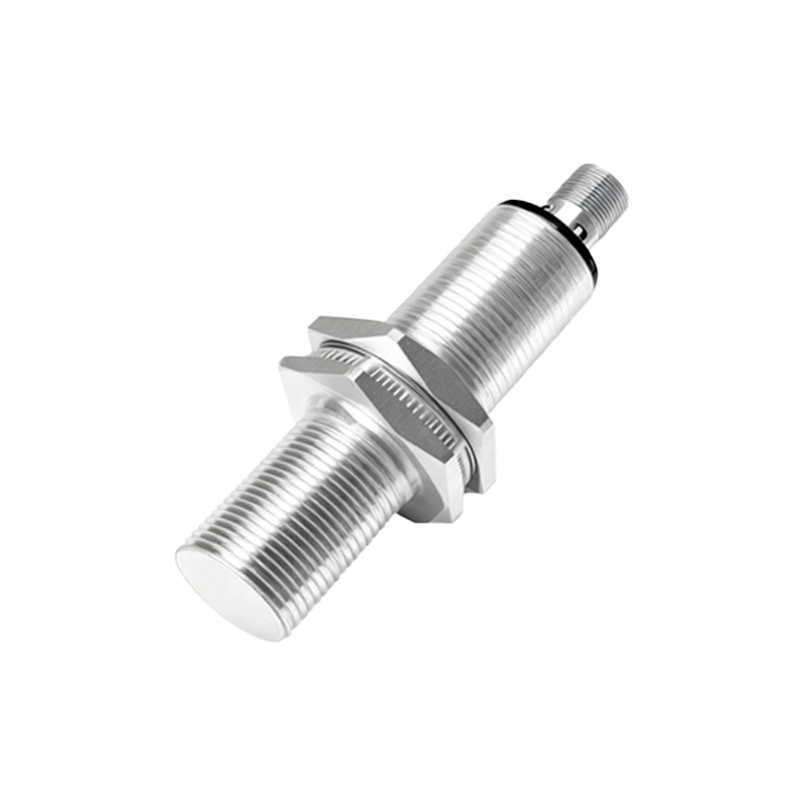
Advanced sensors incorporate additional internal features for enhanced functionality. These include sensitivity adjustment potentiometers or teach-in buttons for setting the detection threshold, built-in timers for delay functions, and diagnostic indicators like LED status lights. Some models feature synchronization or multiplexing circuits to prevent crosstalk when multiple sensors are mounted close together. For digital communication, modern sensors integrate bus interface chips (e.g., for IO-Link, PROFINET, EtherNet/IP) directly onto the main PCB, enabling parameter setting, process data exchange, and detailed diagnostic reporting.
Understanding this internal architecture is vital for selecting the right sensor for an application. Factors such as required sensing distance, environmental conditions, target characteristics, and needed output functionality all trace back to the capabilities engineered into the emitter, receiver, and circuitry. The meticulous integration of optics, electronics, and mechanical design within a ruggedized package is what allows proximity photoelectric sensors to deliver non-contact, wear-free detection with exceptional accuracy across countless industrial automation challenges.