In the realm of industrial automation, background suppression proximity sensors have become indispensable components for precise object detection. These advanced sensors are designed to ignore objects beyond a set sensing range, effectively "suppressing" the background and focusing only on the target within a specified distance. This capability is crucial in applications where varying backgrounds or multiple objects in close proximity could cause false triggers in standard sensors.
For engineers and procurement specialists seeking these specialized sensors, several reliable sources are available. Major industrial automation distributors, such as Siemens, Rockwell Automation, and Omron, offer a wide range of background suppression sensors through their global networks. These companies provide both photoelectric and inductive variants with background suppression features, catering to different material detection needs. Online industrial marketplaces like Amazon Industrial, Grainger, and MSC Industrial Supply also stock these sensors from various manufacturers, offering convenient procurement options with detailed specifications and customer reviews.
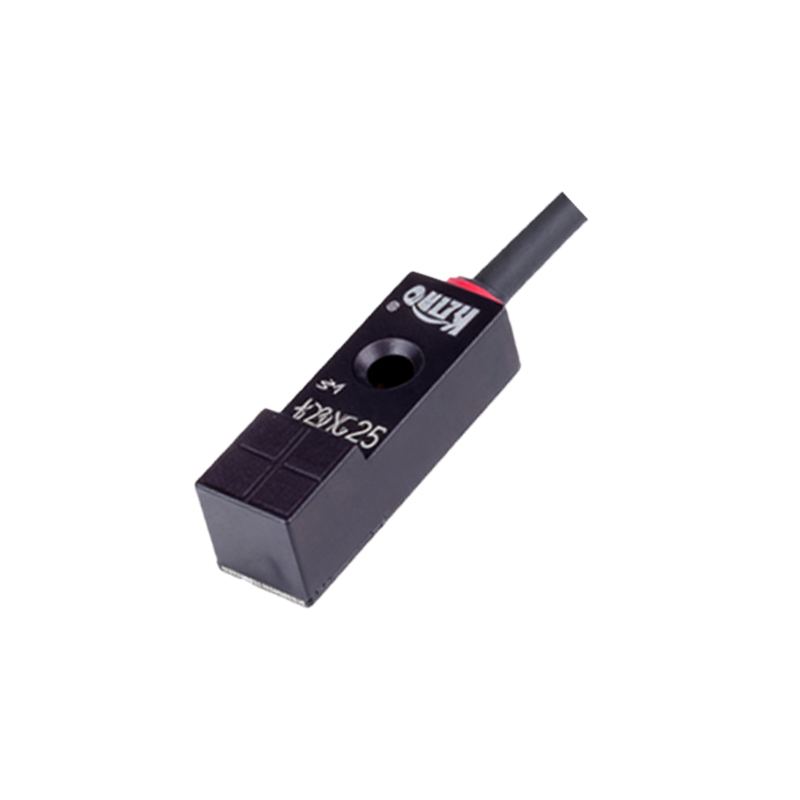
Specialized sensor manufacturers are another prime source. Companies like SICK, Balluff, and Pepperl+Fuchs have developed extensive lines of background suppression sensors with advanced features. These manufacturers often provide superior technical support, application engineering assistance, and customization options for challenging detection scenarios. Their products typically include adjustable sensing ranges, precise teach-in functions for setting the suppression distance, and robust housing designs for harsh industrial environments.
When selecting a supplier, consider factors beyond mere availability. Technical support capabilities, lead times, warranty terms, and compatibility with existing control systems are equally important. Many suppliers offer sample programs or evaluation units, allowing engineers to test sensors in actual operating conditions before committing to large purchases. Additionally, attending industrial trade shows like Hannover Messe or Automation Fair can provide hands-on experience with the latest sensor technologies and direct access to technical experts from multiple manufacturers.
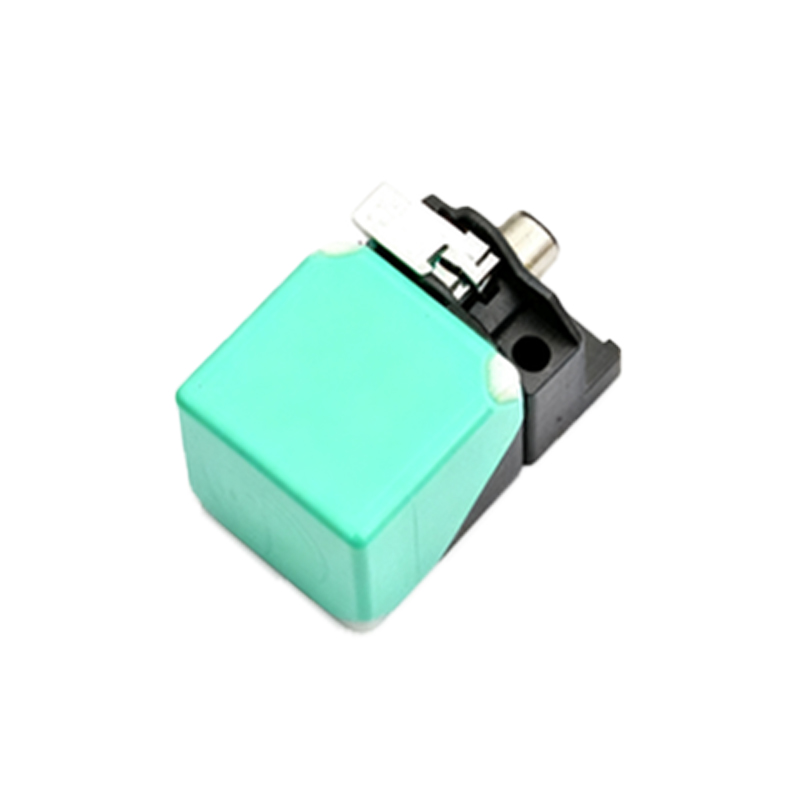
The specific type of background suppression sensor needed depends on application requirements. Diffuse reflective sensors with background suppression are common for detecting objects at precise distances regardless of color or reflectivity. Through-beam versions with background suppression capabilities are available for applications requiring very precise positioning. Some advanced models even incorporate multiple sensing technologies, combining background suppression with other detection principles for maximum reliability.
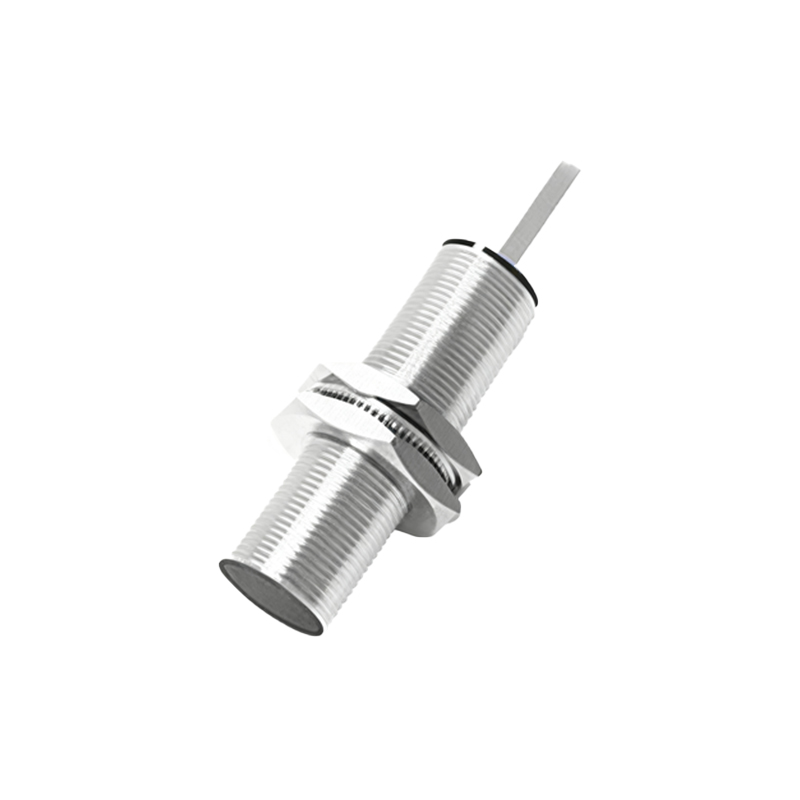
For urgent requirements or small quantity needs, local electrical distributors and automation specialists often maintain inventory of popular sensor models. These local sources can provide same-day pickup or delivery in many industrial regions. For large-scale projects or OEM applications, contacting manufacturers directly for volume pricing and customized solutions is often the most cost-effective approach. Many manufacturers have regional offices and authorized distributors who can provide localized inventory and support.
Digital resources have also transformed how engineers source these components. Manufacturer websites now feature comprehensive product selectors, detailed datasheets, CAD models for integration into machine designs, and configuration tools that help specify the exact sensor needed. Online communities and forums dedicated to industrial automation frequently include discussions about sensor selection and supplier recommendations based on real-world experiences.
Regardless of the source selected, verifying sensor specifications against application requirements remains critical. Key parameters to confirm include sensing range accuracy, response time, environmental ratings (IP67 or higher for most industrial applications), temperature range, and output types (PNP/NPN, analog, or IO-Link). With the growing adoption of Industry 4.0 principles, many newer background suppression sensors now include diagnostic capabilities and digital communication protocols for integration into smart factory networks.
The availability of background suppression proximity sensors continues to expand as their applications grow across industries including packaging, material handling, automotive manufacturing, and electronics assembly. By understanding the various sourcing options and carefully matching sensor capabilities to specific detection challenges, engineers can reliably implement these sophisticated sensing solutions that significantly improve automation system accuracy and reliability.