In industrial automation and control systems, proximity sensors play a critical role in detecting the presence or absence of objects without physical contact. Among the various technical specifications that define their performance, sensing diameter is a fundamental parameter that directly impacts sensor selection, installation, and operational reliability. This article delves into the concept of sensing diameter, its significance, influencing factors, and practical considerations for engineers and system integrators.
Sensing diameter, often referred to as the effective sensing range or detection area, is the maximum distance from the sensor face within which a standard target can be reliably detected. It is typically measured under ideal conditions using a specified target material, such as mild steel for inductive sensors. The diameter denotes the circular or spherical zone where the sensor's electromagnetic or capacitive field is active enough to trigger a response. For instance, an inductive proximity sensor with a stated sensing diameter of 8mm can detect a metal object within that radial distance, but performance may vary based on material composition, size, and environmental factors.
The importance of sensing diameter cannot be overstated in industrial settings. Proper selection ensures accurate detection, minimizes false triggers, and enhances system safety. If the sensing diameter is too small, objects might be missed, leading to operational failures; if too large, it could cause unintended activations from nearby objects, disrupting processes. Engineers must consider the target's characteristics—such as shape, material, and orientation—relative to the sensor's specified diameter. For example, capacitive sensors used for non-metallic materials often have adjustable sensing diameters to accommodate different dielectric constants, while ultrasonic sensors rely on sound wave reflection within a defined conical diameter.
Several factors influence the effective sensing diameter in practice. Material properties are paramount: inductive sensors are sensitive to metals, with detection ranges varying for ferrous versus non-ferrous materials. Typically, the sensing diameter for non-ferrous metals like aluminum or copper is reduced compared to steel. Target size also matters; a small object may require a closer distance within the diameter for reliable detection. Environmental conditions, including temperature extremes, humidity, and electromagnetic interference, can alter the sensor's field, affecting the diameter. Additionally, sensor mounting—whether flush or non-flush—can modify the sensing zone, as nearby metals or enclosures might dampen or extend the field.
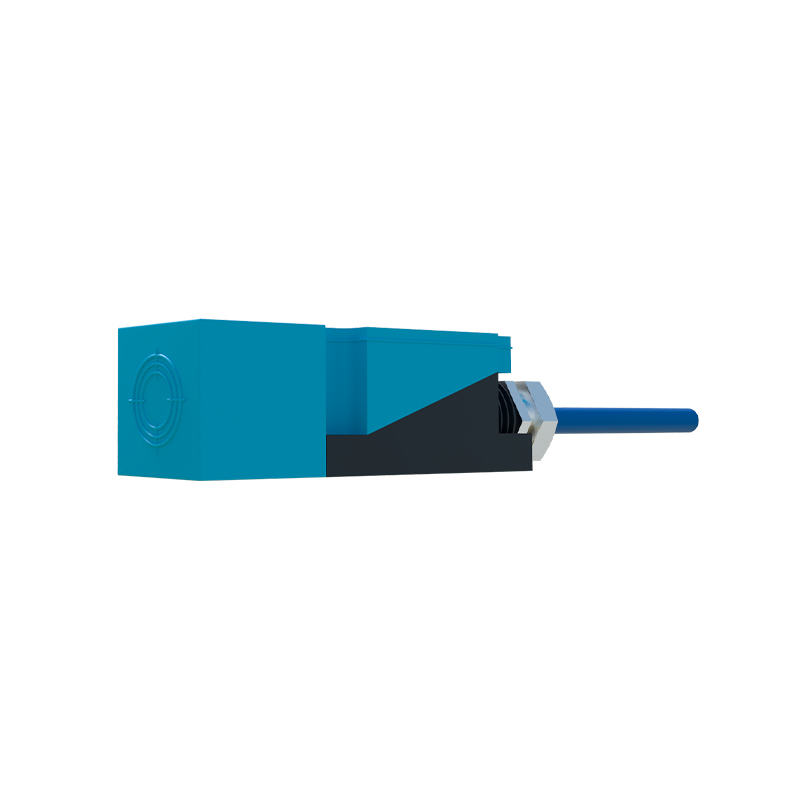
When designing systems, engineers should follow best practices for optimizing sensing diameter. First, always refer to manufacturer datasheets, which provide detailed specifications under standardized conditions. Conduct real-world testing with actual targets to validate performance, as theoretical diameters may not account for all variables. Consider using sensors with built-in tolerance adjustments or shielding to stabilize the sensing diameter in noisy environments. For applications requiring precise positioning, such as robotic assembly or conveyor tracking, selecting sensors with a narrow, well-defined diameter is crucial to avoid cross-talk between adjacent units. Regular maintenance, including cleaning sensor faces and checking for mechanical drift, helps sustain the intended sensing diameter over time.
In summary, sensing diameter is a key metric that dictates the effectiveness of proximity sensors in automation. By understanding its principles and applications, professionals can make informed choices, ensuring robust and efficient industrial operations. As technology advances, sensors with programmable diameters and enhanced sensitivity are emerging, offering greater flexibility for complex tasks. Ultimately, a thorough grasp of this parameter empowers engineers to build safer, more reliable systems tailored to specific industrial needs.