In the field of industrial automation and electrical engineering, the terms "NPN sensor" and "proximity switch" are often used interchangeably, leading to confusion among professionals and newcomers alike. However, while they are closely related, they are not exactly the same thing. Understanding the distinction is crucial for proper selection, installation, and troubleshooting in various applications, from manufacturing lines to robotics. This article delves into the technical nuances, functionality, and practical implications of NPN sensors and proximity switches, clarifying their roles in modern systems.
First, let's define each component. A proximity switch is a type of sensor that detects the presence or absence of an object without physical contact. It operates based on principles such as electromagnetic induction, capacitance, or ultrasonic waves, depending on the design. Proximity switches are widely used to sense metallic or non-metallic targets, providing a reliable means for position detection, counting, or safety interlocks. They come in various forms, including inductive, capacitive, and photoelectric sensors, each suited for specific environments and materials.
On the other hand, an NPN sensor refers specifically to the output configuration of a sensor, particularly in the context of proximity switches. NPN stands for Negative-Positive-Negative, describing a type of bipolar junction transistor used in the sensor's output circuit. In simple terms, an NPN sensor outputs a signal by switching the negative (or ground) side of the load. When the sensor detects a target, it connects the output to ground, allowing current to flow from the positive supply through the load to the sensor's output terminal. This is commonly known as a "sinking" output.
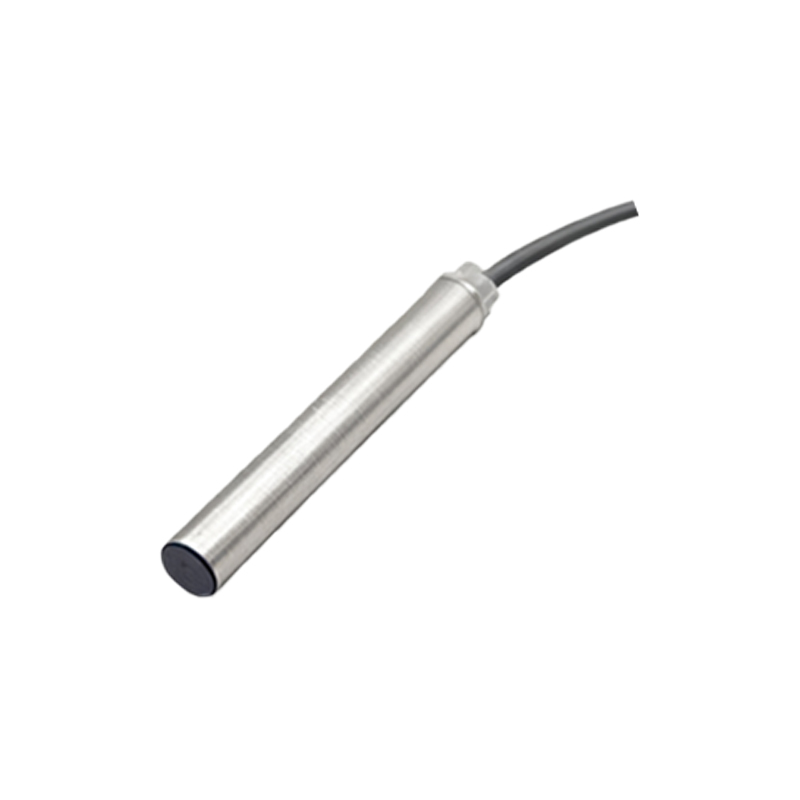
The confusion arises because many proximity switches are built with NPN output circuits. For example, an inductive proximity switch designed for DC operation might use an NPN transistor to interface with programmable logic controllers (PLCs) or other control devices. Thus, it can be accurately called an "NPN proximity switch." However, not all proximity switches are NPN; some use PNP (Positive-Negative-Positive) outputs, which switch the positive side of the load, known as "sourcing" outputs. Additionally, there are proximity switches with analog outputs, relay outputs, or other configurations that don't rely on NPN transistors at all.
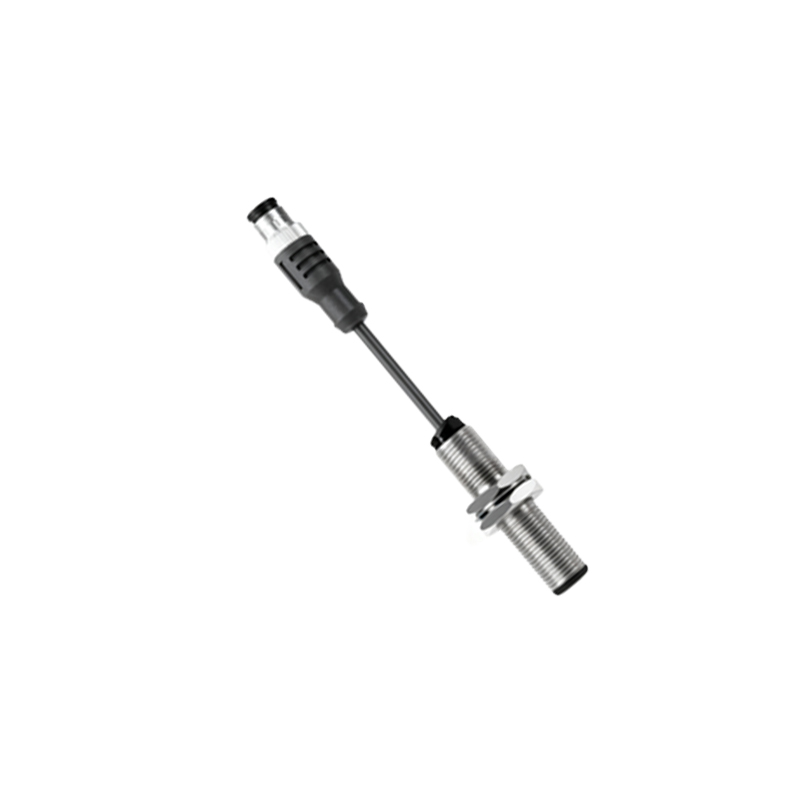
Key differences lie in their scope and application. A proximity switch is a broader category encompassing various sensing technologies and output types. It focuses on the method of detection—whether through magnetic fields, capacitance changes, or light beams. In contrast, an NPN sensor is a subset that defines the electrical interface of the sensor. This distinction matters in system design because choosing between NPN and PNP outputs depends on the control circuitry's requirements. For instance, many PLCs in Europe prefer PNP inputs, while NPN is more common in Asia and North America, though this is not a strict rule.
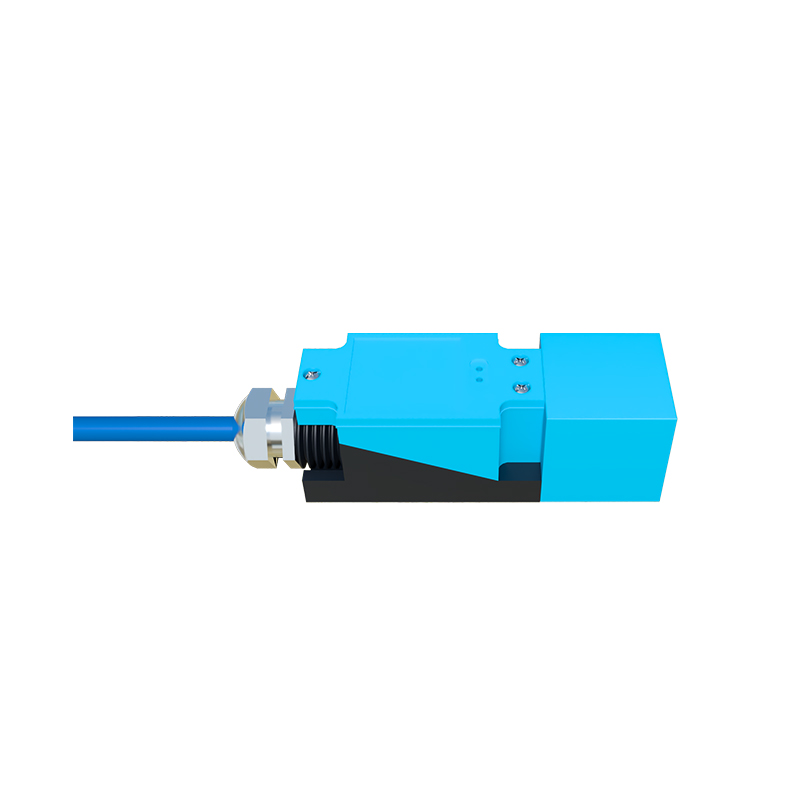
From a practical standpoint, when engineers ask, "Is an NPN sensor the same as a proximity switch?" they often mean to compare functionality. In daily usage, an NPN proximity switch performs the same detection role as any proximity switch but with a specific wiring and signal characteristic. It's essential to match the sensor's output type with the input module of the control system to avoid compatibility issues. Miswiring an NPN sensor into a PNP-compatible circuit can lead to malfunctions or damage, highlighting the need for clear specifications.
Moreover, the choice between NPN and other outputs affects system safety and performance. NPN sensors are often favored in applications where a common ground is desired, as they can simplify wiring in multi-sensor setups. They also tend to be cost-effective and widely available. However, in high-noise environments or for certain safety circuits, PNP or other outputs might be preferable due to their different electrical behaviors. Proximity switches themselves must be selected based on factors like sensing range, material compatibility, environmental conditions (e.g., temperature, humidity), and response time, regardless of output type.
In summary, while all NPN sensors used for proximity detection are proximity switches, not all proximity switches are NPN sensors. The term "NPN sensor" emphasizes the output configuration, whereas "proximity switch" describes the sensing function. For professionals in electrical engineering, recognizing this difference ensures accurate communication and optimal system integration. Always refer to datasheets and technical manuals to verify both the sensing technology and output type when selecting components for automation projects. By doing so, you can enhance reliability, efficiency, and safety in industrial operations.