Proximity sensors are indispensable components in modern industrial automation, providing non-contact detection of metallic objects with high reliability and precision. Among the various types available, cylindrical inductive proximity sensors, often referred to as "rod-type" or "barrel-style" sensors, are particularly prevalent due to their robust design and versatile applications. This article delves into the operational principles, key specifications, selection criteria, and common use cases for these critical devices, offering insights for engineers and technicians in the electrical and automation fields.
At their core, cylindrical inductive proximity sensors operate on the principle of electromagnetic induction. The sensor contains a coil wound around a ferrite core, which is part of an oscillator circuit. When an alternating current passes through this coil, it generates an alternating electromagnetic field at the sensing face. When a metallic target enters this field, eddy currents are induced on the target's surface. These eddy currents draw energy from the oscillator, causing a reduction in its amplitude. An integrated evaluation circuit detects this amplitude change and triggers a solid-state output switch, typically in the form of a PNP or NPN transistor. This entire process occurs without any physical contact, making the sensor ideal for harsh environments where mechanical wear, dust, moisture, or vibration are concerns.
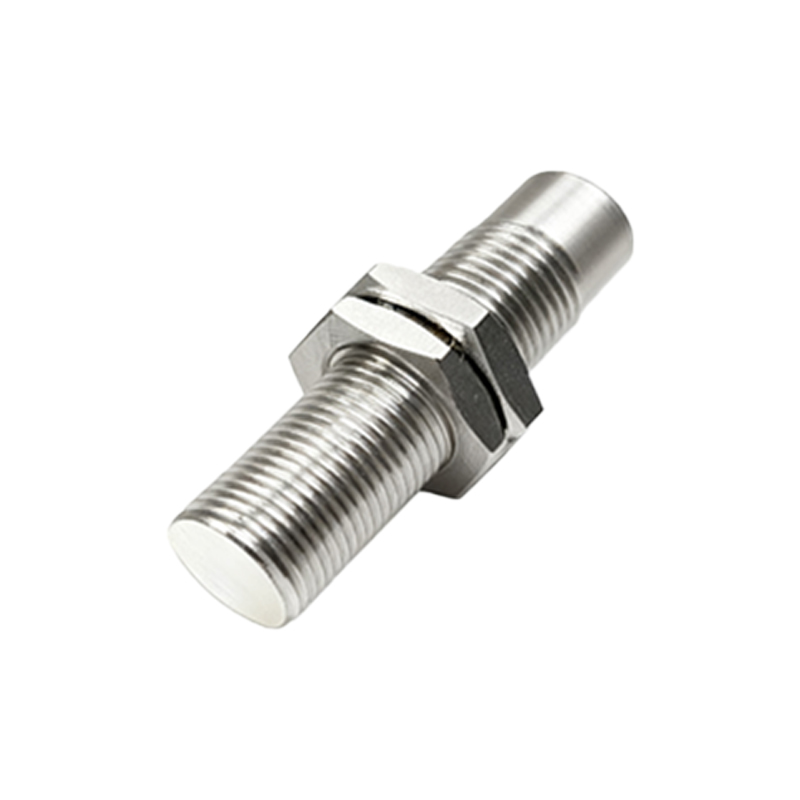
Key technical specifications define a sensor's suitability for an application. The sensing distance, or nominal range, is a primary consideration. For standard cylindrical models, common ranges are 2mm, 4mm, 8mm, 12mm, and 18mm. It is crucial to note that this is the rated operating distance for a standard mild steel target. Factors like target material, size, and shape can affect the actual sensing range. For instance, stainless steel may reduce the range by approximately 10-30%, while copper or aluminum can reduce it by 40-60%. Another vital parameter is the housing material and protection class. Most cylindrical sensors feature nickel-plated brass or stainless steel housings with ingress protection ratings of IP67 or IP68, ensuring resistance to water and dust. The electrical connection is typically via a pre-wired cable or a quick-disconnect connector. Output configurations include normally open (NO), normally closed (NC), and analog (4-20mA or 0-10V) variants.
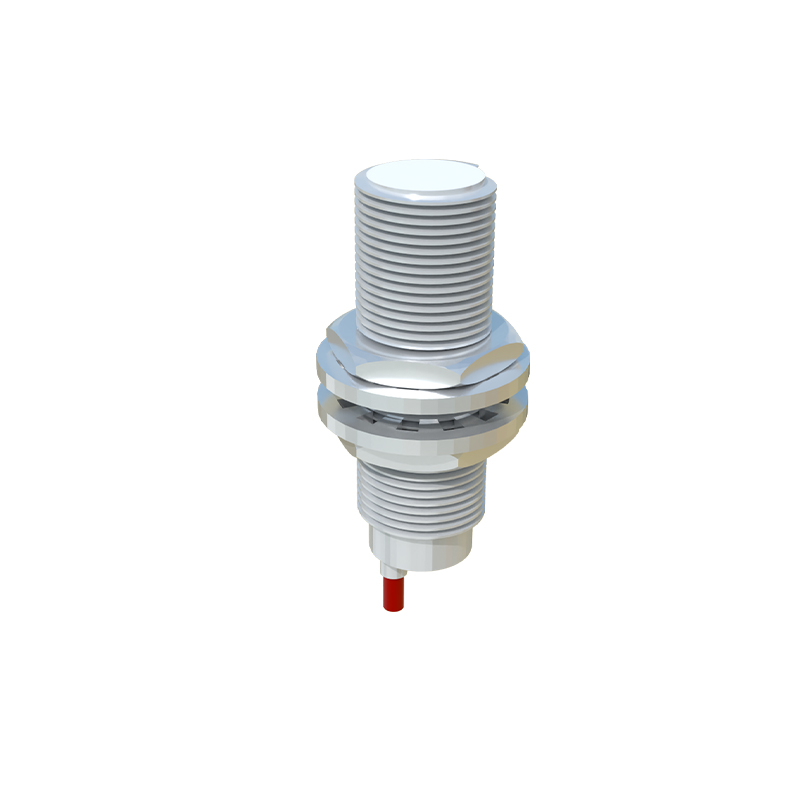
Selecting the right sensor requires a systematic approach. First, identify the target material and the required sensing distance. Next, consider the environmental conditions: Will the sensor be exposed to extreme temperatures, cutting fluids, or chemical washdowns? For such conditions, sensors with FDA-approved seals or high-temperature ratings are necessary. The mounting method is also critical. Cylindrical sensors are designed for flush or non-flush mounting. Flush-mountable sensors can be installed embedded in metal without affecting their sensing range, whereas non-flush models offer a longer range but require a clear zone around the sensing face. Electrical compatibility with the control system (sourcing vs. sinking, voltage levels) must be verified. Finally, consider special features like short-circuit protection, reverse polarity protection, and LED status indicators for diagnostics.
In practice, cylindrical inductive proximity sensors are workhorses across numerous industries. In automotive manufacturing, they count parts on conveyor lines, detect piston positions in cylinders, and verify robotic end-effector tooling. In packaging machinery, they monitor fill levels, detect cap presence on bottles, and ensure proper case sealing. Within material handling, they provide position feedback for linear actuators, detect pallet presence at loading docks, and serve as limit switches on automated storage and retrieval systems. Their robustness also makes them perfect for metalworking applications, such as detecting tool breakage in CNC machines or verifying the position of metal sheets in press brakes.
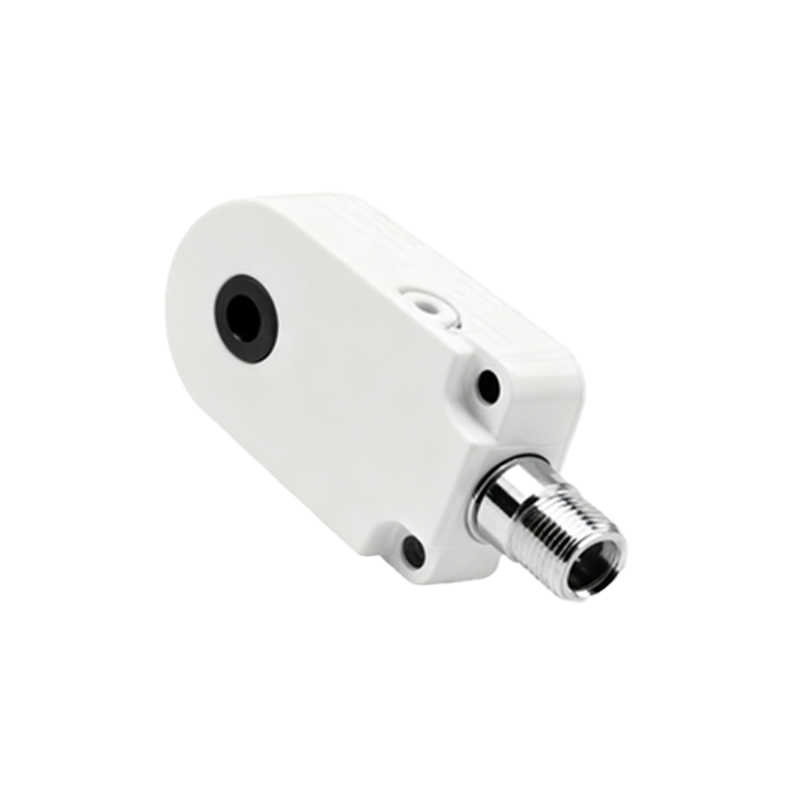
Maintenance is generally minimal, but periodic checks are advisable. Technicians should verify the mounting integrity, clean the sensing face of any debris or buildup, and test the output signal under normal operating conditions. Understanding the sensor's hysteresis—the difference between the switch-on and switch-off points—is important for stable operation in applications with vibrating targets.
In conclusion, the cylindrical inductive proximity sensor is a fundamental building block of industrial control systems. Its non-contact operation, durability, and straightforward integration contribute to enhanced machine efficiency, safety, and uptime. By carefully matching the sensor's specifications to the application's demands, engineers can build more reliable and productive automation solutions. As Industry 4.0 advances, these sensors continue to evolve, with newer models offering IO-Link communication for digital parameter setting and predictive maintenance data, further solidifying their role in the smart factories of today and tomorrow.