Proximity switches are fundamental components in modern industrial automation, serving as non-contact detection devices that sense the presence or absence of an object within a specified range. The core of a proximity switch's functionality lies in its sensor technology. The choice of sensor directly impacts the switch's performance, reliability, and suitability for specific applications. This article delves into the primary sensor types used in proximity switches, their operating principles, and key selection criteria for engineers.
The most prevalent sensor technologies in industrial proximity switches are inductive, capacitive, ultrasonic, and photoelectric sensors. Each operates on a distinct physical principle, making them ideal for different target materials and environmental conditions.
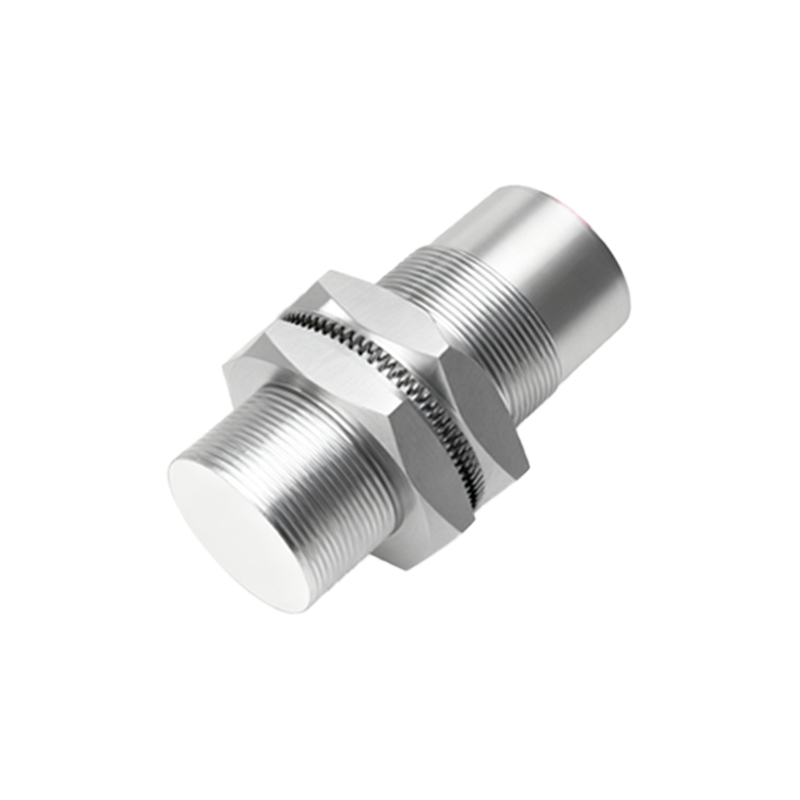
Inductive proximity sensors are the workhorses for detecting metallic objects. They generate an oscillating electromagnetic field from a coil in the sensor's face. When a ferrous or non-ferrous metal target enters this field, it induces eddy currents, which dampen the oscillation. The sensor's circuitry detects this change and triggers the switch output. Inductive sensors excel in harsh environments with dirt, dust, or oil, as they are only sensitive to metals. They are commonly used for position sensing of machine parts, limit switching, and counting metallic objects. Their sensing range is typically limited to a fraction of the sensor's diameter.
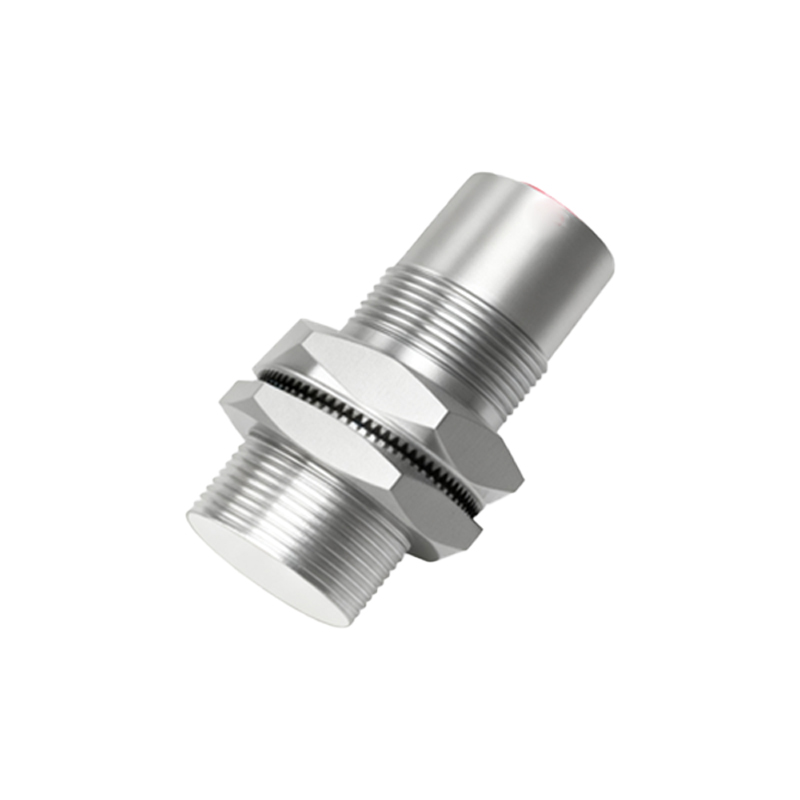
Capacitive proximity sensors can detect both metallic and non-metallic materials, including liquids, plastics, glass, and wood. They function by generating an electrostatic field. Any object with a dielectric constant different from air entering this field alters the sensor's capacitance. This change is measured, triggering the output. This makes capacitive sensors versatile for applications like liquid level detection in non-metallic tanks, material presence sensing on conveyor belts (e.g., paper, plastic bottles), and granulate level monitoring. They can be influenced by humidity or conductive dust, requiring careful installation.
Photoelectric sensors utilize light beams, typically infrared, visible red, or laser. They consist of an emitter and a receiver. In the through-beam type, the object interrupts the beam between separate units. In the retro-reflective type, the object breaks the beam reflected from a reflector. In the diffuse (proximity) type, the sensor detects light reflected directly from the target. Photoelectric sensors offer the longest sensing ranges and can detect virtually any object. They are ideal for long-range detection, small part sensing, transparent object detection (with specialized models), and high-speed counting. However, their performance can be degraded by ambient light, fog, dust, or dirt on the lenses.
Ultrasonic proximity sensors emit high-frequency sound waves and measure the time for the echo to return. The presence of an object alters the echo return time or intensity. They are excellent for detecting objects regardless of color, transparency, or material, and are particularly effective for liquid level sensing, distance measurement, and detecting uneven or shiny surfaces that may challenge photoelectric sensors. They can be affected by temperature variations, air turbulence, and soft materials that absorb sound.
Selecting the correct sensor involves a systematic evaluation of several factors. First, identify the target material: metal, plastic, liquid, etc. This immediately narrows the choice—inductive for metals, capacitive or photoelectric for non-metals. Second, consider the required sensing distance. Inductive and capacitive sensors have shorter ranges, while photoelectric and ultrasonic offer longer ones. Third, assess the operating environment. Factors like temperature extremes, presence of washdown chemicals, oil, dust, or vibration demand sensors with appropriate ingress protection (IP) ratings and robust construction. Fourth, determine the required output type: discrete (PNP/NPN) or analog (4-20mA, 0-10V), and switching frequency for high-speed applications. Finally, physical constraints like sensor size and mounting style (flush or non-flush for inductive) are crucial.
In conclusion, there is no universal "best" sensor for all proximity switches. Inductive sensors reign supreme for robust metal detection. Capacitive sensors provide material versatility in controlled conditions. Photoelectric sensors offer flexibility and long range for clear environments. Ultrasonic sensors solve challenging detection problems involving varied surfaces and distances. A thorough understanding of each technology's principles, advantages, and limitations empowers engineers to specify the optimal proximity switch sensor, ensuring enhanced system reliability, efficiency, and safety in automated industrial processes. Proper selection minimizes downtime and maintenance, contributing directly to operational excellence.