In industrial automation and control systems, proximity sensors are indispensable components for detecting the presence or absence of objects without physical contact. Among the various types, 3-wire DC proximity sensors are prevalent due to their reliability and output options (PNP or NNP sourcing). However, a common challenge arises when integrating these sensors into legacy or specific systems designed for 2-wire AC/DC sensors. This article provides a detailed, professional guide on how to correctly and safely wire a 3-wire proximity sensor to function in a 2-wire configuration, discussing the principles, necessary components, and step-by-step procedures.
First, it is crucial to understand the fundamental difference between 2-wire and 3-wire sensor designs. A standard 2-wire sensor operates similarly to a switch in series with the load. It has two terminals: one connected to the power supply (L+ or L1) and the other to the load. The sensor itself consumes a small "leakage" or "quiescent" current when in the off state. When it detects a target, it closes the internal switch, allowing the main load current to flow. These sensors are often used with alternating current (AC) or direct current (DC) and are praised for their simple wiring but may have limitations regarding voltage drop and leakage current.
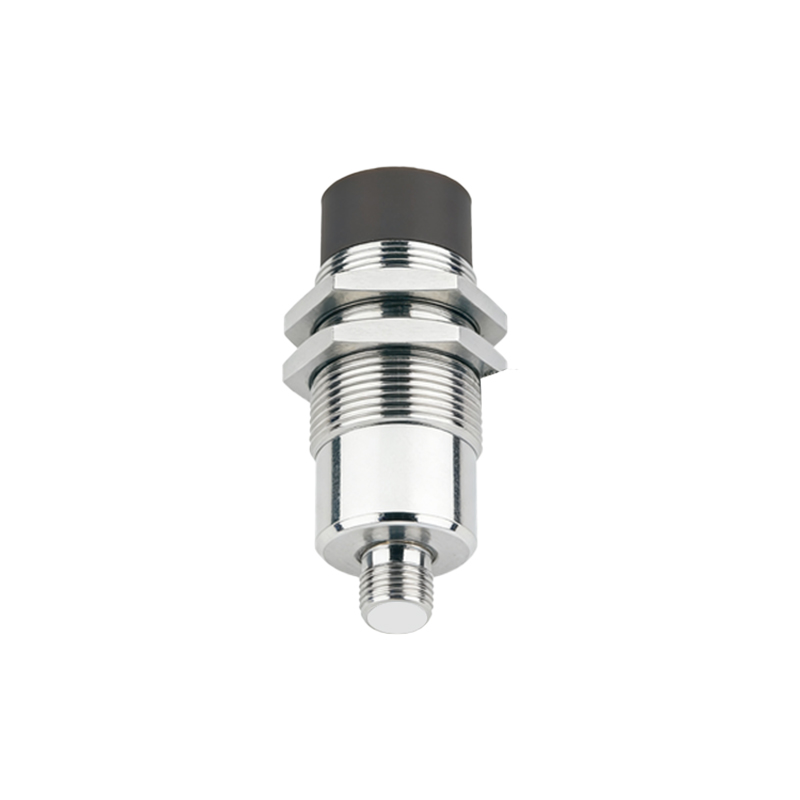
A 3-wire DC sensor, in contrast, has three distinct wires: brown (typically for positive supply, V+), blue (for negative supply, 0V or V-), and black (the signal or output wire). This design separates the power supply circuit for the sensor's internal electronics from the switching output circuit. In a PNP (sourcing) sensor, the black wire outputs positive voltage to the load when activated. In an NPN (sinking) sensor, the black wire provides a path to ground for the load current. This separation allows for lower leakage current, more precise switching, and compatibility with programmable logic controllers (PLCs).

Directly connecting a 3-wire sensor to a 2-wire system is not possible without an intermediary component because the 3-wire sensor requires a separate power supply for its internal circuitry. The core solution involves using an external relay. The relay acts as the interface, driven by the 3-wire sensor's output, to mimic the simple on/off behavior of a 2-wire device.
Required Components:
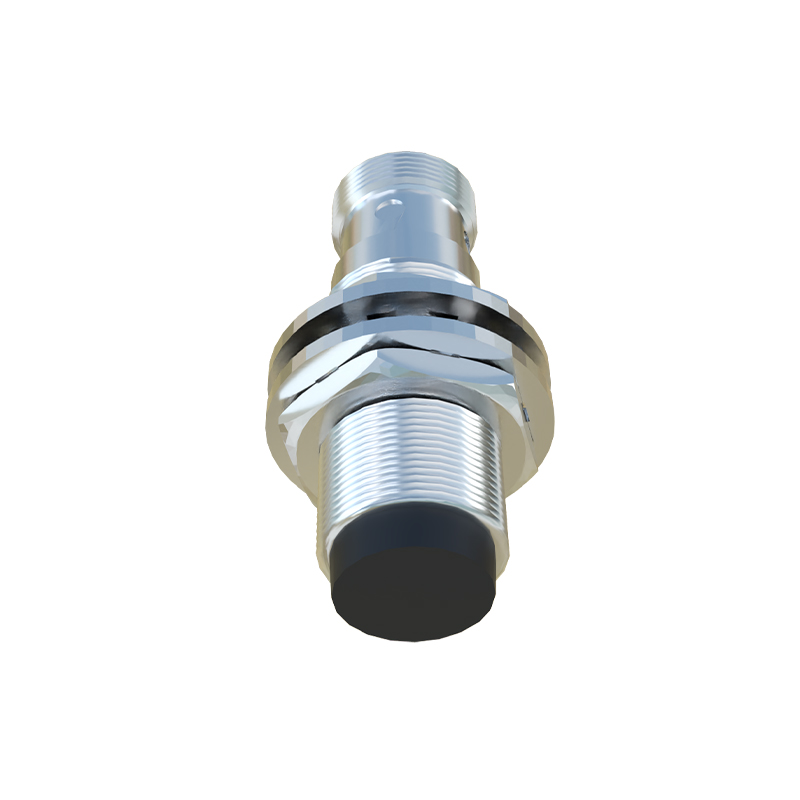
1. A 3-wire DC proximity sensor (PNP or NPN; PNP is more common for this application).
2. A suitable DC power supply matching the sensor's voltage rating (e.g., 12V DC or 24V DC).
3. An electromechanical relay or a solid-state relay (SSR) with a coil voltage matching the sensor's supply voltage.
4. The main system's 2-wire circuit (e.g., 120V AC load circuit).
Step-by-Step Wiring Procedure for a PNP Sensor:
1. Power the Sensor: Connect the sensor's brown wire to the positive terminal (+) of the external DC power supply. Connect the sensor's blue wire to the negative terminal (-) of the same DC supply. This powers the sensor's internal electronics independently.
2. Connect the Sensor Output to the Relay Coil: Connect the sensor's black (output) wire to one terminal of the relay's coil. Connect the other terminal of the relay's coil back to the negative terminal (blue wire/common) of the DC power supply. This forms the complete circuit for the relay coil. When the PNP sensor detects a target, it sources positive voltage from the brown wire through its internal switch to the black wire, energizing the relay coil.
3. Integrate the Relay into the 2-Wire System: The relay's contact terminals (usually NO - Normally Open and COM - Common) will now function as the "2-wire sensor." Connect one wire from your main system's power source (e.g., L1 of an AC line) to the COM terminal of the relay. Connect the other terminal (going to your load, like a contactor or PLC input) to the relay's NO terminal.
4. Operation: When the proximity sensor detects an object, its output activates, energizing the relay coil. The relay's contacts close (COM to NO), completing the main 2-wire circuit and powering the load. When the target moves away, the sensor deactivates, the relay coil de-energizes, and the contacts open, breaking the load circuit.
Important Considerations and Safety Notes:
Sensor Type: Ensure you correctly identify if your sensor is PNP or NPN. The wiring for the relay coil differs. For an NPN sensor,