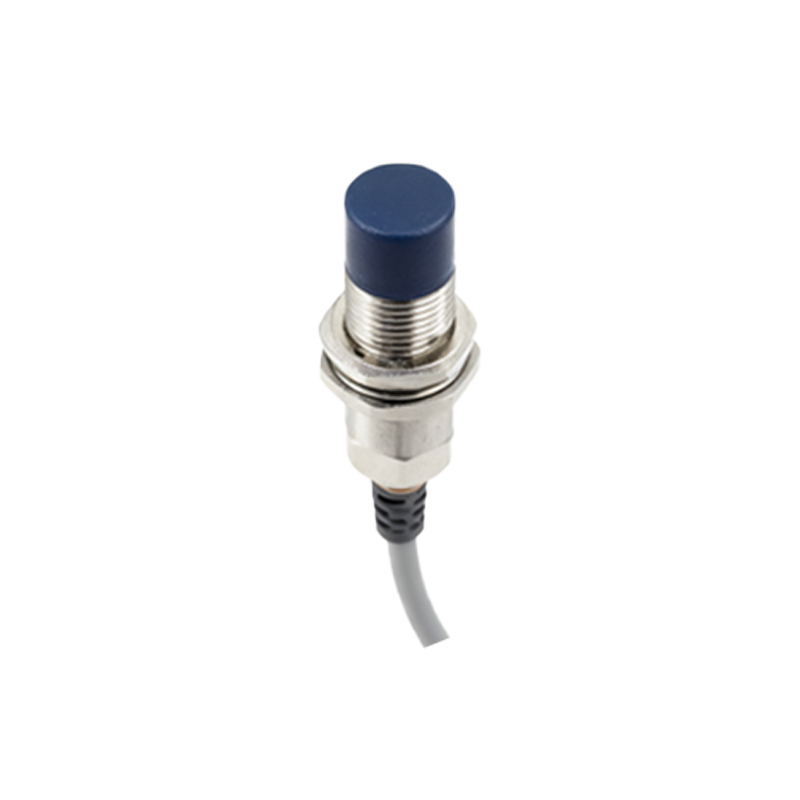
Proximity switch transistor sensors are fundamental components in modern industrial automation, offering reliable non-contact detection of metallic and non-metallic objects. These sensors operate on the principle of electromagnetic induction or capacitive coupling, with the transistor serving as a key switching element within the electronic circuit. The core function is straightforward: when a target object enters the sensor's detection field, it triggers a change in the oscillator circuit's state. This change is then amplified and processed, causing the output transistor to switch—either sinking or sourcing current—thereby sending a clear signal to a programmable logic controller (PLC) or other control system.
The advantages of using transistor-based outputs in proximity sensors are numerous. Firstly, they provide exceptionally fast switching speeds, often in the microsecond range, which is critical for high-speed production lines and packaging machinery. Secondly, transistor outputs are solid-state, meaning they have no moving parts like traditional electromechanical relays. This results in a dramatically longer operational lifespan, reduced maintenance, and higher reliability in demanding environments characterized by vibration, dust, or moisture. Common protection ratings like IP67 ensure these sensors can withstand harsh washdowns in food and beverage plants or exposure to coolants in machining centers.
There are two primary transistor output types: NPN (sinking) and PNP (sourcing). The choice between them is crucial and depends on the electrical configuration of the control system. In an NPN sensor, the transistor switches the negative or ground side of the load. When activated, it connects the load to ground, completing the circuit. Conversely, a PNP sensor switches the positive voltage side to the load. Selecting the incorrect type for a given PLC input module will result in a non-functional circuit. Furthermore, many modern sensors feature a 3-wire DC configuration (brown for +V, blue for 0V/common, and black for the switched output signal), which has become an industry standard for clarity and safety.
Another critical specification is the sensing distance, or "switching distance," which varies based on the sensor's size, technology (inductive, capacitive, or ultrasonic), and the target material. Inductive sensors, for instance, are optimized for detecting metals, with factors like the target's size, shape, and material (steel, aluminum, brass) affecting the effective range. Engineers must carefully consider this nominal range and typically apply a safety factor, often using only 60-70% of the rated distance, to account for temperature fluctuations, voltage tolerances, and part-to-part variations.
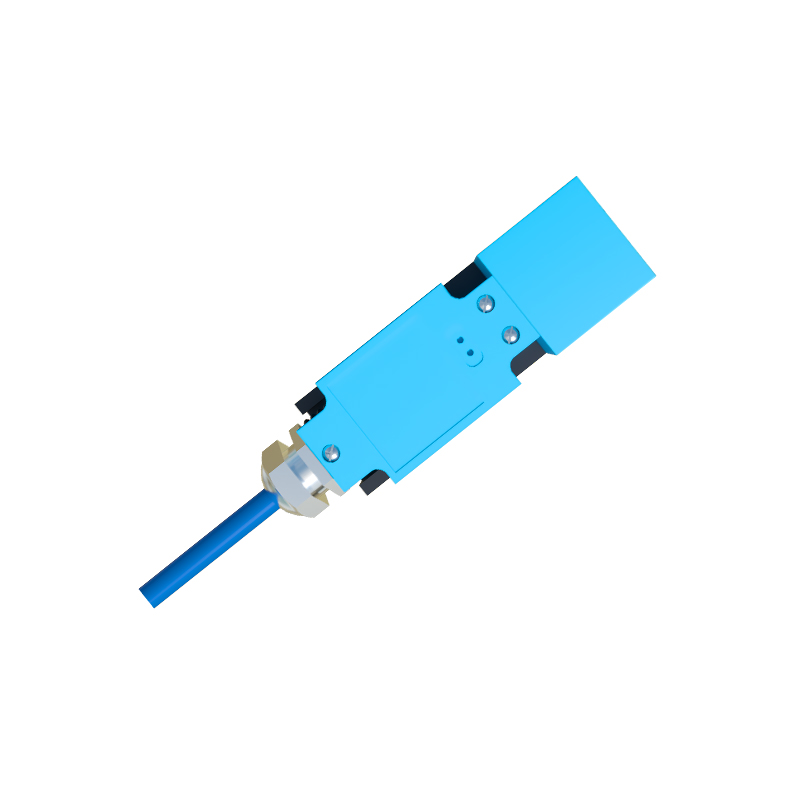
Integration into automated systems requires attention to electrical details. Key parameters include the operating voltage range (commonly 10-30V DC), current consumption, and the maximum load current the transistor can handle. It is vital to protect the sensor's output from voltage spikes, often generated by inductive loads like solenoids or relay coils, by using flyback diodes or transient suppressors. Proper shielding and cable routing are also essential in environments with strong electromagnetic interference from motors or welding equipment to prevent false triggering.
Looking forward, the evolution of proximity sensors continues. Miniaturization allows for installation in extremely tight spaces, while advanced models now incorporate IO-Link digital communication. This smart sensor technology enables not just simple on/off switching but also the transmission of detailed diagnostic data, such as operating temperature, signal strength, and remaining service life, directly to the control system for predictive maintenance. This shift towards Industry 4.0 and the Industrial Internet of Things (IIoT) is transforming the humble proximity switch from a simple binary device into an intelligent node on the factory network.
In conclusion, the proximity switch transistor sensor is a deceptively simple yet highly engineered device. Its robust, solid-state design, fast response, and adaptability make it indispensable for tasks ranging from basic part presence detection to complex position verification in robotic cells. A deep understanding of its operating principles, output types, and application nuances is essential for any engineer or technician designing, troubleshooting, or maintaining efficient and reliable automated systems. Proper selection and installation ensure seamless communication between the physical world of machines and the digital world of control.