In the realm of electrical engineering and automation, rear proximity light sensors have emerged as critical components for enhancing safety, efficiency, and functionality across various applications. These sensors, often integrated into industrial machinery, automotive systems, and smart infrastructure, operate by detecting the presence or absence of objects within a specified range using light-based technology. Typically, they emit infrared or laser light and measure the reflection to determine distance, providing real-time data that can trigger automated responses or alerts.
The core principle behind rear proximity light sensors involves the use of photoelectric elements. When an object enters the sensor's detection zone, it interrupts or reflects the emitted light beam, causing a change in the sensor's output signal. This signal is then processed by a control unit, which can initiate actions such as stopping a vehicle, halting machinery to prevent collisions, or activating lighting systems for improved visibility. In automotive contexts, these sensors are commonly installed at the rear of vehicles to assist with parking, obstacle detection, and blind-spot monitoring, thereby reducing the risk of accidents and enhancing driver convenience.
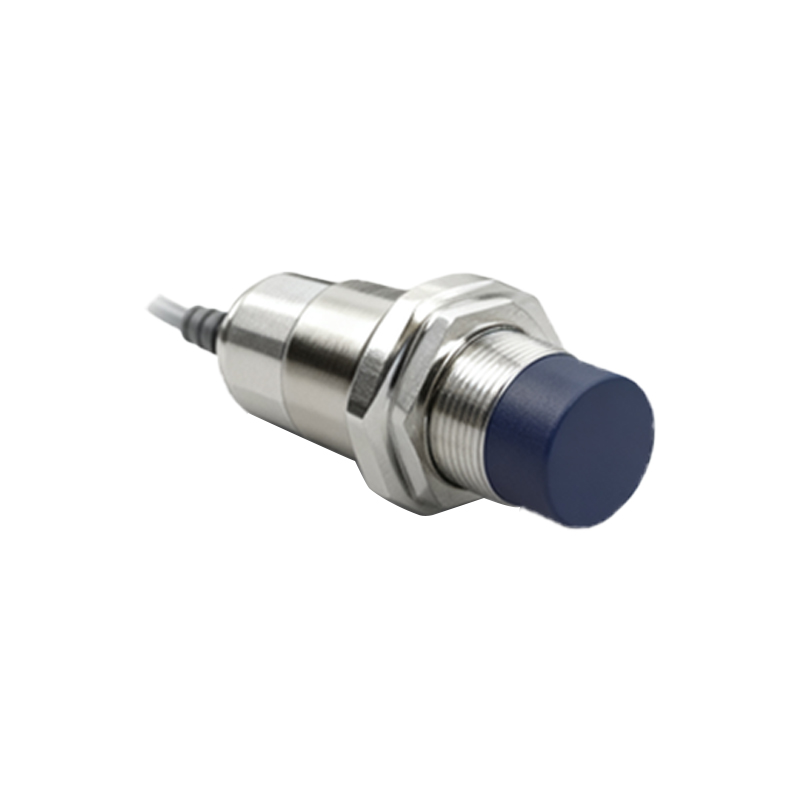
From an industrial perspective, rear proximity light sensors play a vital role in automation and robotics. They enable precise positioning of equipment, facilitate material handling in warehouses, and ensure worker safety by creating non-contact barriers around hazardous areas. For instance, in conveyor belt systems, these sensors can detect when items are misaligned or when a pile-up occurs, allowing for immediate corrective measures. Their ability to function reliably in diverse environmental conditions—such as low light, dust, or moisture—makes them indispensable in sectors like manufacturing, logistics, and construction.
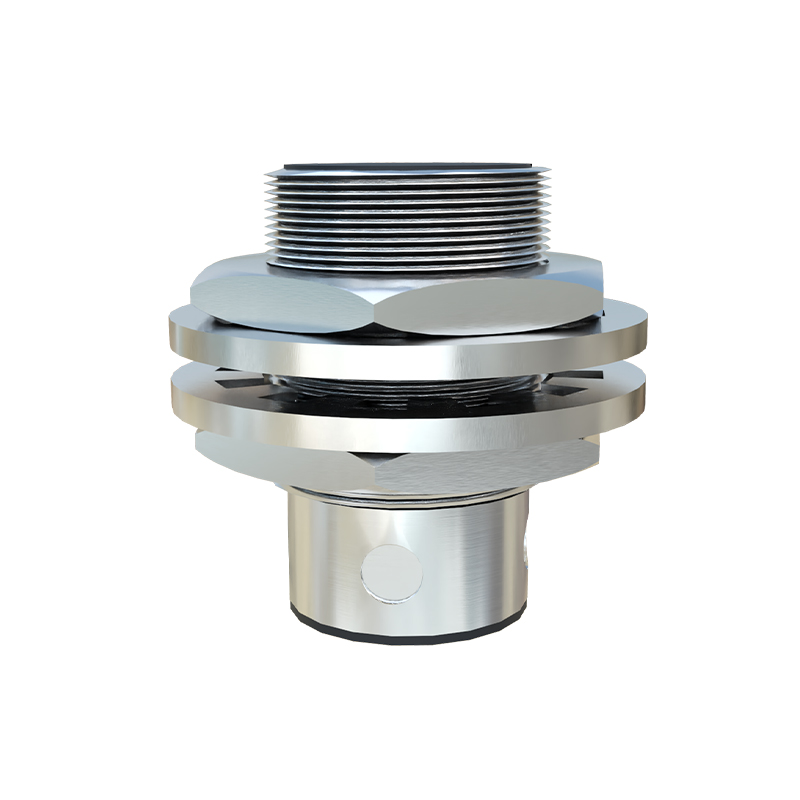
Technological advancements have further refined rear proximity light sensors, incorporating features like adjustable sensitivity, multi-range detection, and integration with IoT (Internet of Things) platforms. Modern sensors may utilize LiDAR (Light Detection and Ranging) or time-of-flight methods for higher accuracy, enabling applications in autonomous vehicles and advanced robotics. Additionally, energy-efficient designs and compact form factors have expanded their use in consumer electronics, such as smartphones and home automation devices, where they contribute to gesture recognition and power-saving functions.
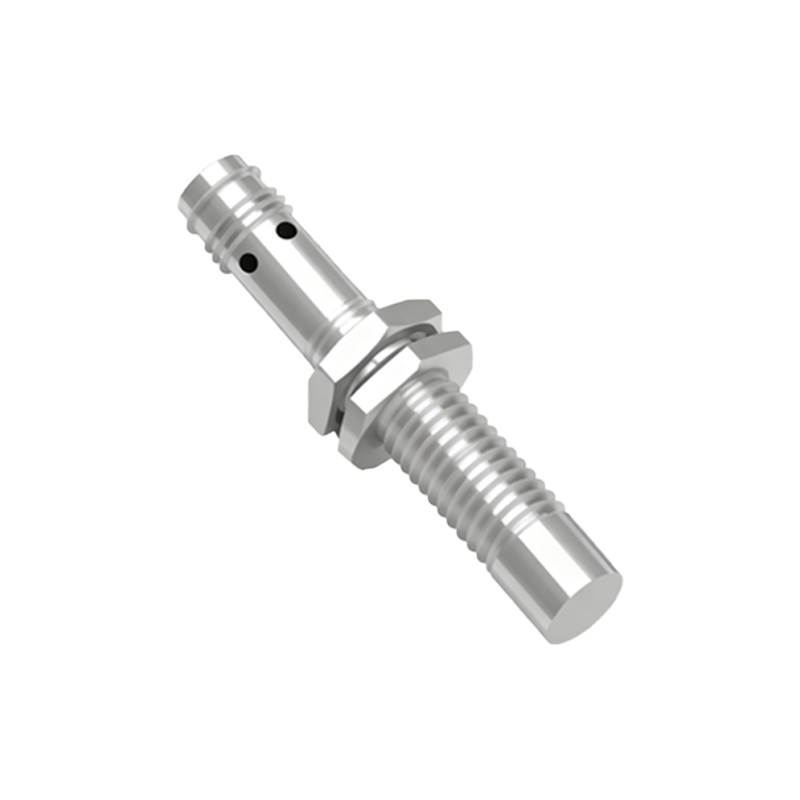
Despite their benefits, challenges remain in optimizing rear proximity light sensors. Factors like ambient light interference, reflective surfaces, and extreme temperatures can affect performance, necessitating careful calibration and shielding. Engineers must consider these variables during installation and maintenance to ensure consistent operation. Looking ahead, ongoing research in sensor fusion—combining light sensors with ultrasonic or radar technologies—promises to enhance reliability and expand capabilities, paving the way for smarter, safer systems in the evolving electrical landscape.
In summary, rear proximity light sensors represent a sophisticated intersection of optics, electronics, and control theory. Their widespread adoption underscores their importance in modern electrical engineering, driving innovation in safety and automation. As industries continue to embrace digital transformation, these sensors will likely evolve, offering greater precision and connectivity to meet future demands.