In the realm of industrial automation and electronic systems, proximity sensors play a pivotal role in enabling non-contact detection of objects. High-quality proximity sensors are distinguished by their reliability, precision, and durability, making them essential components in applications ranging from manufacturing assembly lines to automotive safety systems. This article explores the key types of high-quality proximity sensors, their defining features, and guidelines for selecting the right sensor for specific needs.
The primary types of proximity sensors include inductive, capacitive, ultrasonic, and photoelectric sensors. Inductive proximity sensors are widely used for detecting metallic objects. They operate by generating an electromagnetic field; when a metal object enters this field, it induces eddy currents that alter the sensor's oscillation amplitude, triggering a detection signal. High-quality inductive sensors offer exceptional resistance to environmental factors such as dust, oil, and moisture, with models featuring extended sensing ranges and high switching frequencies. For instance, some premium inductive sensors can detect ferrous metals at distances up to 40 mm, with repeat accuracy within microns, ensuring consistent performance in harsh industrial settings.
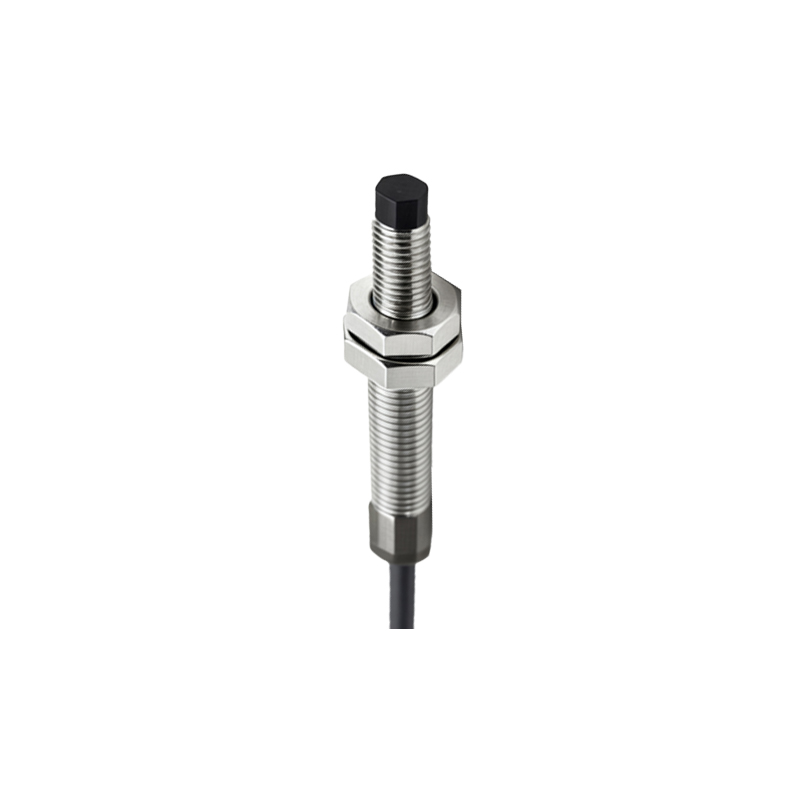
Capacitive proximity sensors, on the other hand, can detect both metallic and non-metallic materials, including liquids, plastics, and glass. These sensors work by measuring changes in capacitance caused by the presence of an object. Top-tier capacitive sensors are engineered with advanced shielding to minimize false triggers from surrounding materials, and they often include sensitivity adjustment capabilities for fine-tuning detection. In industries like food processing or packaging, where non-metallic objects are common, high-quality capacitive sensors provide reliable operation even in humid or contaminated environments.
Ultrasonic proximity sensors utilize sound waves to detect objects, making them suitable for a wide range of materials and surfaces, regardless of color or transparency. They emit high-frequency ultrasonic pulses and measure the time taken for echoes to return. Premium ultrasonic sensors incorporate temperature compensation and noise filtering algorithms to maintain accuracy in variable conditions. For example, in automated storage systems, these sensors can precisely measure distances to objects up to several meters away, with resolutions down to millimeter levels, enhancing efficiency and safety.
Photoelectric proximity sensors rely on light beams to detect objects. They come in various configurations, such as through-beam, retro-reflective, and diffuse reflective models. High-quality photoelectric sensors are characterized by their fast response times, long sensing ranges, and immunity to electromagnetic interference. Advanced versions feature background suppression technology, which allows them to ignore distant objects and focus on specific targets, crucial in applications like robotics or conveyor belt sorting. Additionally, many premium photoelectric sensors are built with rugged housings rated IP67 or higher, ensuring longevity in demanding environments.
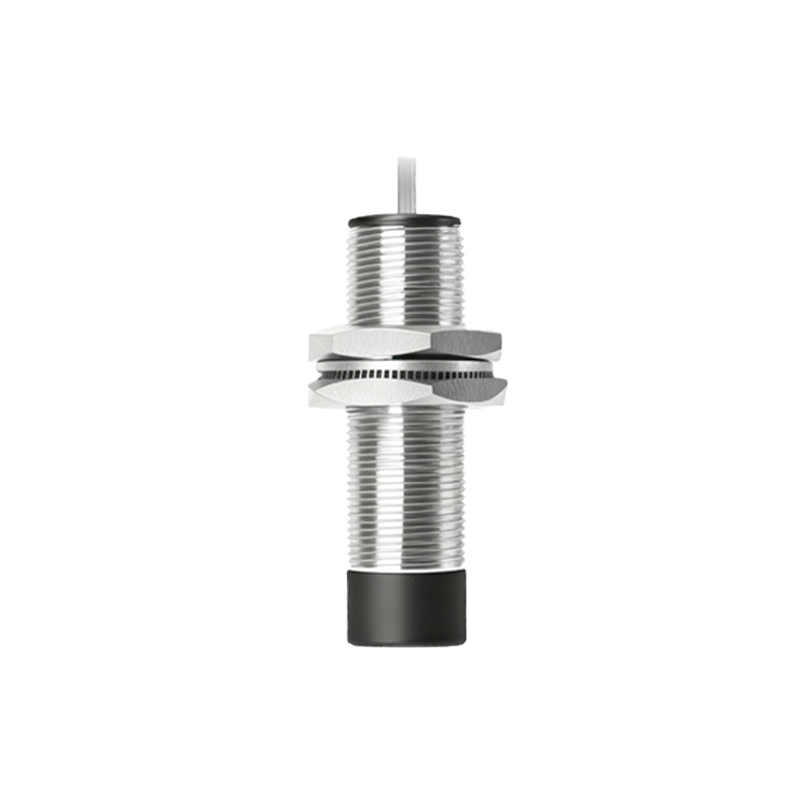
Key features that define high-quality proximity sensors include robust construction, high precision, environmental resistance, and ease of integration. Materials like stainless steel or nickel-plated brass are commonly used in sensor housings to withstand corrosion and mechanical stress. Precision is often reflected in parameters like repeatability, hysteresis, and response time; for instance, a superior sensor might have a repeatability of ±0.5% of the sensing range and a response time under 1 ms. Environmental resistance involves protection against factors like temperature extremes, vibration, and chemical exposure, with many high-end sensors meeting international standards such as IEC 60947-5-2. Integration features include programmable outputs, IO-Link communication for smart factory connectivity, and compact designs for space-constrained installations.
When selecting a high-quality proximity sensor, consider factors such as the target material, required sensing distance, environmental conditions, and output requirements. For metallic objects in dirty environments, an inductive sensor with a high IP rating is ideal. For versatile detection of various materials, a capacitive or ultrasonic sensor may be preferable. In high-speed applications, photoelectric sensors with minimal response delays are optimal. Always verify specifications like operating voltage, output type (e.g., NPN, PNP, or analog), and certification compliance to ensure compatibility with existing systems.
In summary, high-quality proximity sensors are integral to modern automation, offering enhanced performance through advanced technologies and durable designs. By understanding the different types and their features, engineers and technicians can make informed choices to optimize efficiency and reliability in diverse industrial applications. As technology evolves, innovations in sensor miniaturization, wireless capabilities, and AI integration are set to further elevate the standards of proximity sensing.