In the rapidly evolving landscape of industrial automation and process control, precision and non-contact measurement technologies have become indispensable. Among these, laser infrared temperature sensors stand out as a critical tool for engineers and technicians across various sectors. These sophisticated devices operate on the fundamental principle of detecting infrared radiation emitted by all objects above absolute zero. By focusing a laser pointer onto a target, they precisely define the measurement spot, ensuring accurate readings of the object's surface temperature without any physical contact.
The core technology hinges on an infrared detector, typically a thermopile or pyroelectric sensor, which converts the incoming infrared radiation into an electrical signal. This signal is then processed through advanced algorithms to account for the target's emissivity—a crucial material property that defines how efficiently it emits infrared energy. Modern sensors often come with adjustable emissivity settings, allowing for calibration across diverse materials from polished metals to organic substances. The integration of a visible laser guide is not merely for targeting; it ensures that the sensor is measuring the exact area of interest, which is vital for small components or in environments with thermal gradients.
Industrial applications are vast and demanding. In manufacturing, particularly in metalworking and plastics, these sensors provide real-time monitoring of processes like injection molding, welding, and heat treating. They prevent product defects by ensuring temperatures remain within strict tolerances, directly impacting quality control and reducing waste. Within the energy sector, they are deployed for predictive maintenance, scanning electrical panels, transformers, and motor bearings to detect abnormal heat patterns indicative of impending failure. This proactive approach prevents costly downtime and enhances operational safety. The pharmaceutical and food industries rely on them for stringent hygiene and process control, where contact sensors could contaminate products or processes.
Recent technological advancements have significantly enhanced their capabilities. The development of high-speed sensors with response times in milliseconds allows for monitoring fast-moving production lines or rapid thermal events. Improved optical resolution enables measurement of smaller targets from greater distances. Furthermore, the integration of smart features such as Bluetooth connectivity, data logging, and compatibility with Industrial Internet of Things (IIoT) platforms has transformed them from simple measurement tools into integral nodes within networked factory systems. They can now stream data directly to centralized control systems, enabling sophisticated analytics and automated feedback loops.
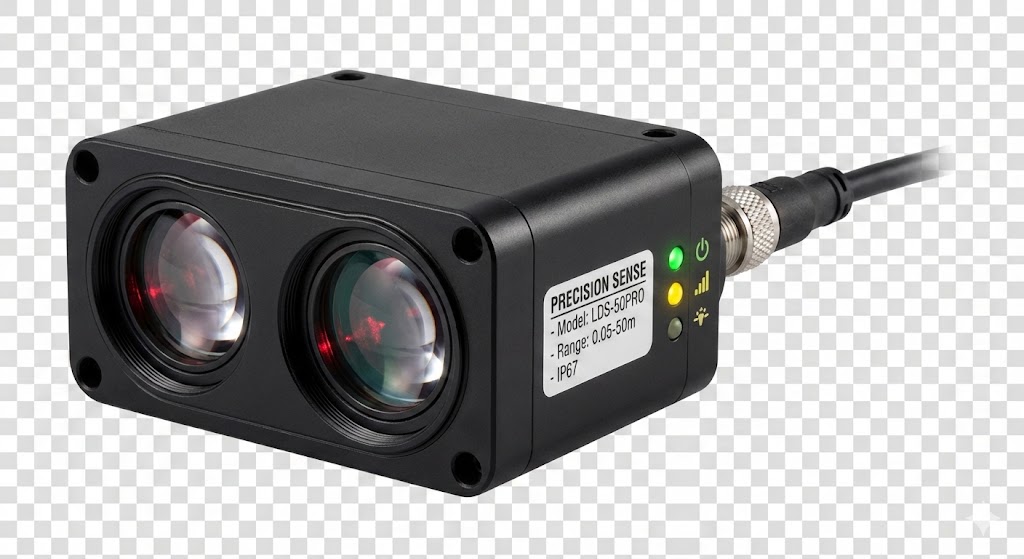
Selecting the appropriate laser infrared thermometer requires careful consideration of several parameters. The distance-to-spot ratio (D:S) is paramount; a higher ratio allows for accurate measurement of smaller areas from a safer or more convenient distance. The required temperature range and spectral response must match the application, as certain materials are more transparent to specific infrared wavelengths. Environmental factors like ambient temperature, dust, steam, or electromagnetic interference cannot be overlooked, often necessitating sensors with robust housings and protective features.
Despite their advantages, users must be aware of limitations. Measurements can be affected by obstacles like dust, smoke, or windows that may block or attenuate infrared radiation. The accuracy is inherently tied to correct emissivity estimation, which can be challenging for shiny or reflective surfaces unless treated with high-emissivity tape or paint. It is also a surface measurement technology; it cannot determine internal temperatures.
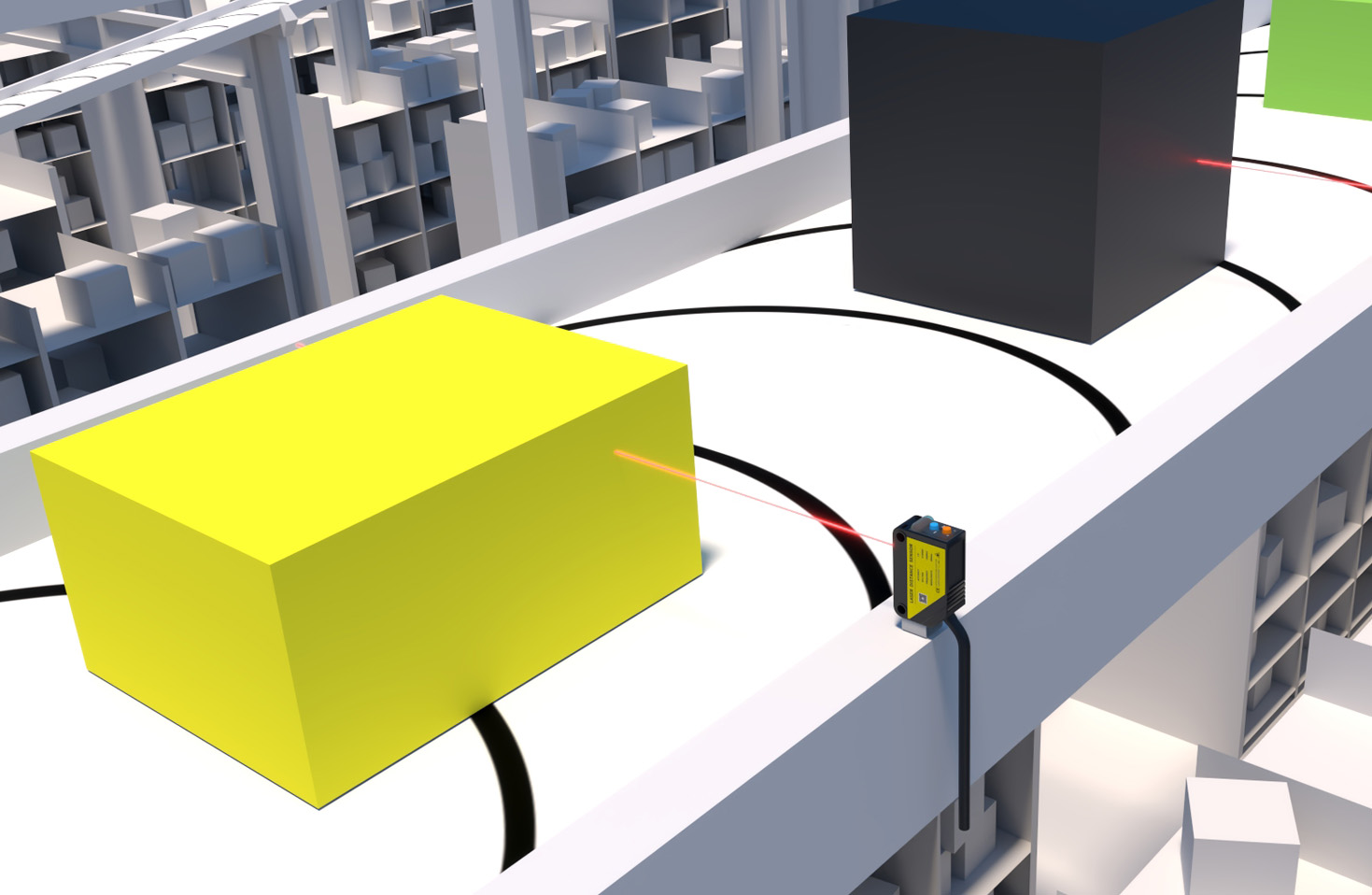
Looking forward, the convergence of artificial intelligence and sensor technology promises even greater utility. AI algorithms could automatically correct for emissivity errors or identify complex thermal patterns predictive of equipment health. Miniaturization and cost reduction will likely open new applications in consumer electronics and automotive systems. As industry continues its march toward greater efficiency and intelligence, the laser infrared temperature sensor will remain a cornerstone of non-destructive testing and thermal management, evolving to meet ever more precise and interconnected demands.