In the industrial automation landscape, 24V DC proximity sensors are indispensable components for non-contact object detection, widely used in machinery, packaging, conveyor systems, and robotic applications. Understanding the pricing structure is crucial for procurement specialists, engineers, and project managers aiming to optimize budgets without compromising on reliability or performance. This guide provides a comprehensive analysis of the 2024 market price list for 24V proximity sensors, breaking down costs by type, technology, brand, and key features.
The pricing of 24V proximity sensors is primarily influenced by the sensing technology. Inductive sensors, designed to detect metallic objects, are generally the most cost-effective. Entry-level shielded inductive sensors with standard sensing ranges (e.g., 2mm to 8mm) can start from as low as $15 to $30 per unit for bulk OEM purchases. Unshielded models may be slightly cheaper. Capacitive sensors, capable of detecting both metallic and non-metallic materials like liquids or plastics, command a higher price point, typically ranging from $35 to $70 per unit. The most significant price variation is seen in magnetic (reed) and ultrasonic sensors. Tubular magnetic sensors are often very affordable ($10-$25), while more sophisticated ultrasonic sensors for precise distance measurement can range from $80 to over $200.
Form factor and housing material are substantial cost drivers. Standard cylindrical M8, M12, M18, and M30 threaded metal (nickel-plated brass or stainless steel) housings are industry staples. Prices increase with sensor size and material durability. An M12 inductive sensor might cost $20-$40, while an M30 version could be $50-$90. Sensors with specialized rectangular or flat housings, or those made from high-grade stainless steel (e.g., IP67, IP69K ratings for harsh environments), see a notable premium. For example, a wash-down rated stainless steel inductive sensor can easily cost 50-100% more than its standard brass counterpart.
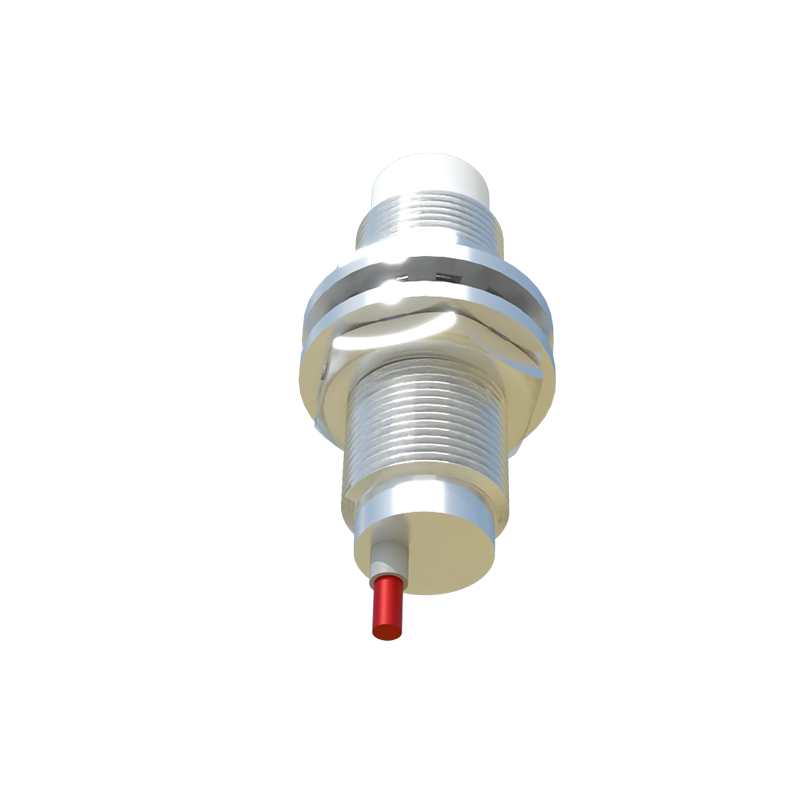
Output configuration and connection type directly impact price. Sensors with simple 3-wire DC (PNP or NNP) outputs are standard. Adding a 4-wire (NO+NC) configuration or analog output (4-20mA, 0-10V) increases complexity and cost. Plug-in versions with quick-disconnect connectors are more expensive than fixed cable versions, though they offer easier maintenance. A sensor with a fixed cable might be priced at $25, while the same sensor with an M12 connector could be $30-$35, plus the separate cost of the cable harness.
Brand reputation and regional availability create a tiered pricing structure. Established global brands like Siemens, Omron, Schneider Electric, and Pepperl+Fuchs are at the premium end, with prices reflecting their extensive R&D, global support, and perceived reliability. Their 24V inductive sensors often range from $40 to $120. Mid-tier brands such as Sick, Turck, and Balluff offer a balance of quality and value, with prices commonly between $30 and $80. Economical options are widely available from Asian manufacturers and generic suppliers, with prices starting below $15, though considerations around long-term availability, certification (CE, UL), and technical support are essential.
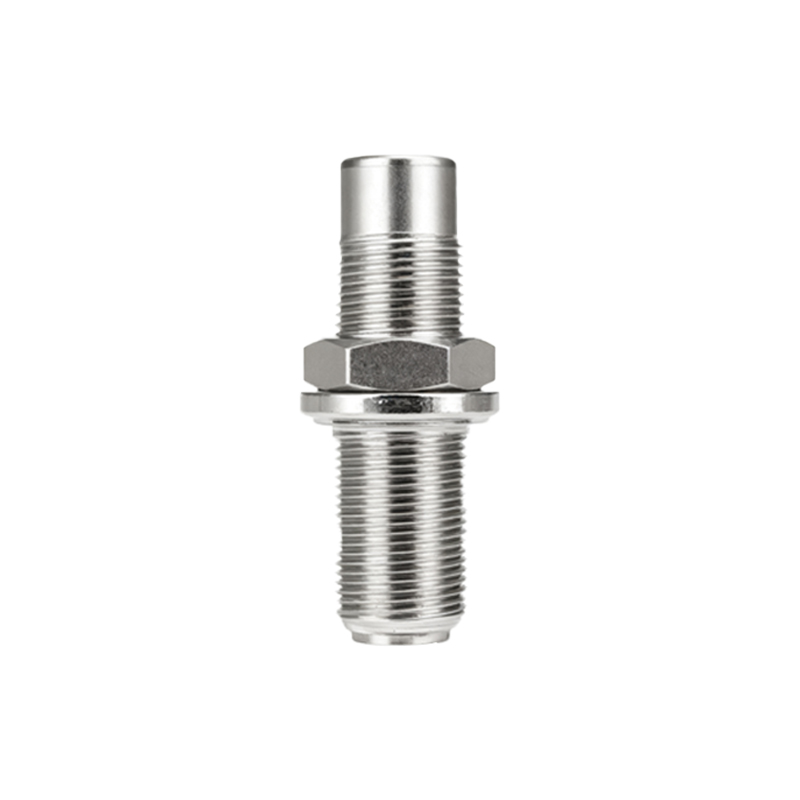
Additional features like extended sensing range, IO-Link digital communication, diagnostic LEDs, or high-temperature tolerance (above 100°C) add incremental cost. An IO-Link enabled sensor provides valuable data for Industry 4.0 applications but may cost 20-40% more than a standard digital sensor.
For accurate budgeting, always request formal quotes from distributors or manufacturers, specifying exact part numbers, required quantities (volume discounts are standard), and desired delivery terms. Consider total cost of ownership, which includes not just the unit price but also installation, maintenance, and potential downtime costs. Investing in a slightly more expensive, robust sensor from a reputable supplier often proves more economical over a machine's lifecycle than opting for the lowest upfront cost.