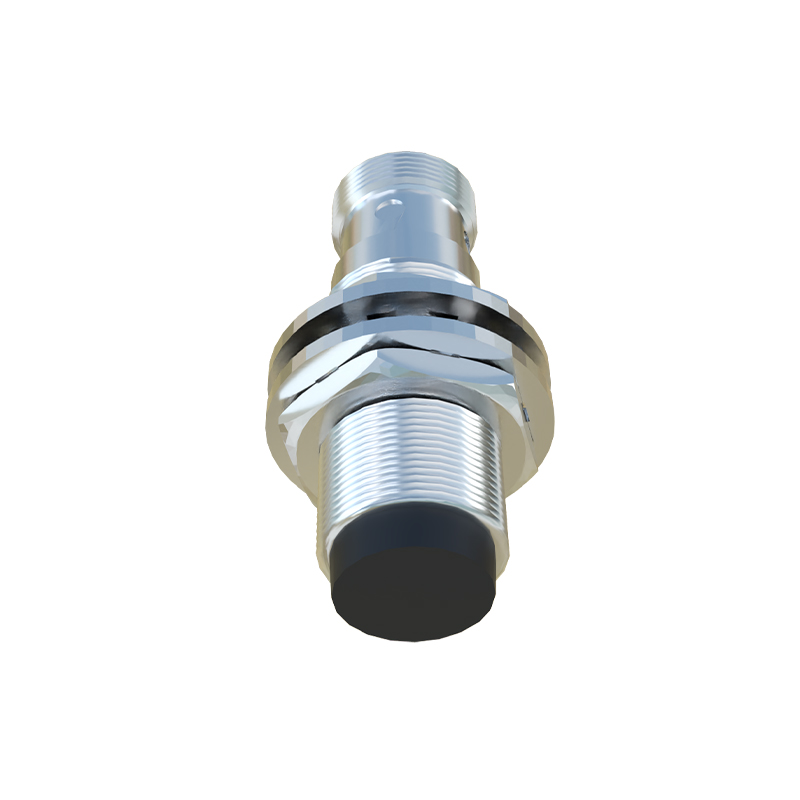
Screen proximity sensors are integral components in today's electronic devices, enabling touchless interaction and enhancing user experience. These sensors detect the presence or absence of objects near a screen without physical contact, primarily using infrared (IR) or capacitive sensing technologies. In IR-based systems, an emitter sends infrared light, and a receiver detects reflections from nearby objects, calculating distance based on signal changes. Capacitive sensors, on the other hand, measure changes in electrical fields caused by conductive objects like human fingers, allowing for precise detection even through glass or plastic covers.
The evolution of screen proximity sensors has been driven by demands for smarter, more responsive devices. Initially popularized in smartphones to disable touchscreens during calls—preventing accidental inputs—they now serve diverse functions. For instance, in automotive displays, sensors detect hand gestures to control infotainment systems, reducing driver distraction. In industrial settings, proximity sensors in touch panels enhance safety by shutting off machinery when operators approach too closely. Additionally, they contribute to energy efficiency by dimming screens when no user is detected, extending battery life in portable gadgets.
From an engineering perspective, designing effective proximity sensors involves balancing sensitivity, power consumption, and environmental robustness. Key challenges include minimizing false triggers from ambient light or moisture, which can interfere with IR signals, and optimizing capacitive arrays for varied object sizes. Advanced algorithms, such as machine learning-based calibration, are increasingly employed to filter noise and improve accuracy. Materials like indium tin oxide (ITO) coatings are used in capacitive sensors for transparency and conductivity, while IR variants often incorporate lenses to focus light beams.
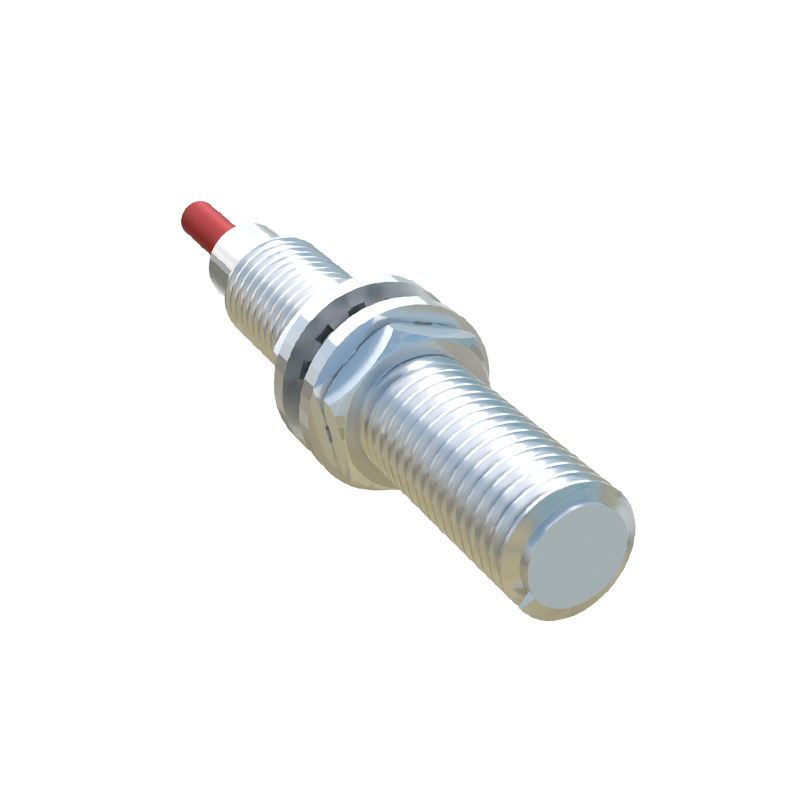
Looking ahead, innovations like time-of-flight (ToF) sensors and ultrasonic proximity detection promise greater range and precision. These technologies could enable immersive augmented reality interfaces or healthcare monitors that track subtle movements. However, engineers must address privacy concerns, as sensors capable of detecting presence might be misused for surveillance. Overall, screen proximity sensors exemplify how subtle hardware advancements can redefine human-device interaction, paving the way for more intuitive and efficient electronics across industries.
In summary, screen proximity sensors are not merely add-ons but essential elements that bridge physical and digital realms. Their continued refinement will support emerging trends like foldable screens and IoT ecosystems, where seamless, context-aware responses are paramount. For professionals in electrical engineering, staying abreast of these developments is crucial to innovating next-generation devices that are both intelligent and user-centric.