In the realm of industrial automation and smart electronics, photoelectric infrared proximity sensors have become indispensable components. These devices, which detect the presence or absence of an object without physical contact, leverage the properties of infrared light to deliver reliable performance in diverse environments. This article delves into the operational principles, key characteristics, common applications, and critical selection criteria for these sensors, providing a comprehensive overview for engineers and system integrators.
At its core, a photoelectric infrared proximity sensor operates by emitting a beam of infrared light from an LED or laser diode. This emitted light travels until it encounters an object within its detection range. Depending on the sensor type, the detection mechanism varies. The two primary configurations are diffuse (reflective) and through-beam. In a diffuse sensor, both the emitter and receiver are housed in the same unit. The sensor detects an object when the emitted infrared light reflects off the target and returns to the receiver. This design is compact and simplifies installation, as it requires wiring only on one side. However, its performance can be influenced by the object's color, texture, and reflectivity. Dark or non-reflective surfaces may absorb more light, reducing the effective sensing range. In contrast, a through-beam sensor consists of separate emitter and receiver units placed opposite each other. An object is detected when it interrupts the infrared beam traveling between them. This configuration offers the longest sensing distances and highest reliability, as it is largely unaffected by the object's surface properties. However, it requires precise alignment and more complex installation with wiring on both sides.
A critical technical aspect is the modulation of the emitted infrared light. Most modern sensors use a pulsed, modulated IR signal rather than a continuous beam. This modulation allows the receiver circuitry to distinguish between the intended signal and ambient infrared noise, such as sunlight or artificial lighting. By tuning the receiver to the specific frequency of the emitted pulses, the sensor achieves high immunity to optical interference, ensuring stable operation even in challenging industrial settings. The sensing range, a key specification, varies significantly among models. Diffuse sensors typically offer ranges from a few centimeters up to several meters, while through-beam sensors can detect objects over distances of tens of meters. Engineers must carefully consider the required range, factoring in a safety margin to account for potential environmental variables like dust or condensation on the lens.
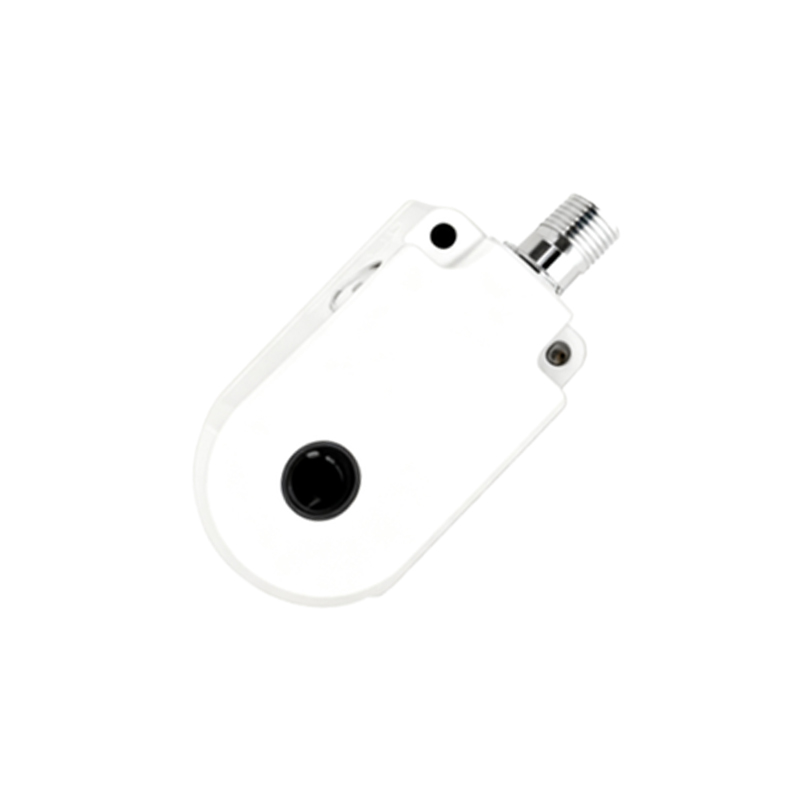
The applications for photoelectric infrared proximity sensors are vast and span multiple industries. In manufacturing and packaging lines, they are ubiquitously used for object counting, jam detection, and verifying the presence of components on conveyor belts. Their non-contact nature prevents product damage and allows for high-speed operation. Within the automotive sector, these sensors contribute to assembly robotics, part positioning, and safety systems. The consumer electronics industry integrates miniature versions into devices for features like screen blanking during a phone call or detecting the opening of a laptop lid. Furthermore, they are fundamental to many security systems, acting as invisible beams in intrusion detection setups. In emerging fields like service robotics and autonomous guided vehicles (AGVs), these sensors provide essential data for obstacle avoidance and navigation.

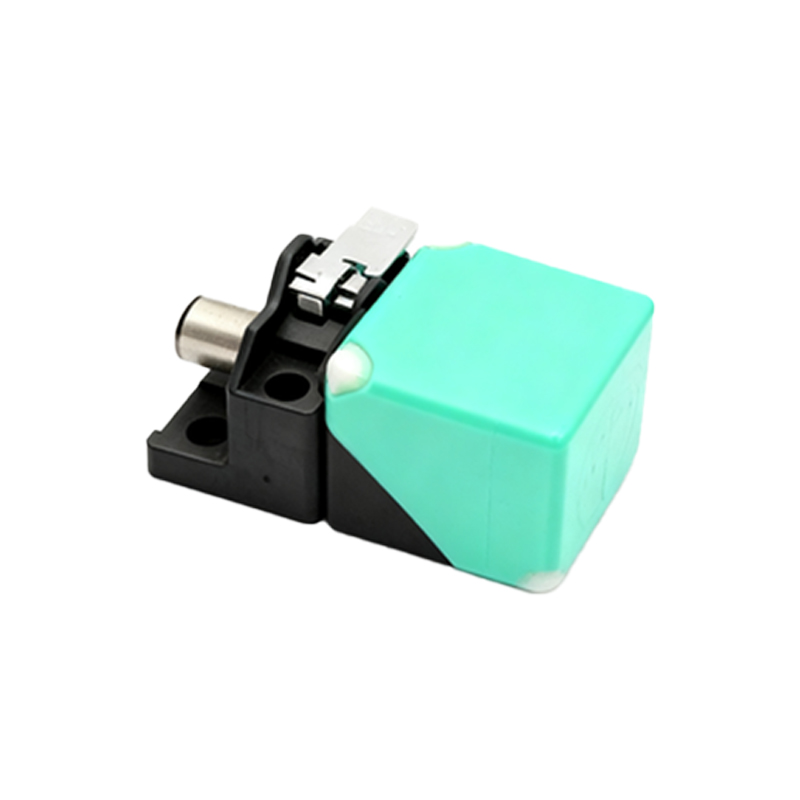
Selecting the appropriate sensor for a specific application requires a methodical evaluation of several parameters beyond just the sensing type and range. The first consideration is the object characteristics: its size, material, color, and surface finish. For small or low-reflectivity objects, a sensor with a focused beam or higher sensitivity may be necessary. The operating environment presents another set of challenges. Sensors destined for harsh conditions must have suitable ingress protection (IP) ratings against dust and water. Models with robust housings, often made of metal or high-grade plastics, can withstand mechanical shock and vibration. For outdoor use or in areas with strong ambient light, selecting a sensor with a high immunity rating (e.g., resistance to sunlight up to 10,000 lux) is crucial. Electrical requirements are equally important. Designers must match the sensor's output type (e.g., NPN, PNP, analog, or IO-Link) and supply voltage with the control system's input modules. Finally, physical constraints like housing size, mounting style (e.g., barrel-shaped or rectangular), and the availability of adjustable sensing ranges via potentiometers or teach-in functions can dictate the final choice.
Maintenance and troubleshooting are straightforward but essential for long-term reliability. Keeping the sensor lens clean from dirt, oil, or debris is paramount, as contamination can scatter or attenuate the infrared beam, leading to false triggers or detection failures. Periodic verification of the alignment for through-beam sensors ensures consistent performance. Most sensors incorporate diagnostic LEDs that indicate power status and output activation, providing a quick visual aid for troubleshooting connectivity or detection issues.
In conclusion, photoelectric infrared proximity sensors offer a versatile and robust solution for non-contact detection. Their evolution continues with advancements in miniaturization, integrated intelligence via digital interfaces, and enhanced environmental robustness. By thoroughly understanding their operating principles and