In the evolving landscape of industrial automation, the integration and retrofitting of safety components are critical tasks for electrical engineers. One increasingly common and sophisticated upgrade involves modifying or replacing traditional proximity sensors with through-beam safety light curtains. This process is not merely a component swap but a strategic enhancement of machine safety, functionality, and diagnostic capabilities. This guide delves into the technical rationale, implementation steps, and key considerations for a successful retrofit.
The primary driver for this retrofit is the enhancement of safety performance. Traditional proximity sensors, whether inductive, capacitive, or photoelectric, are often used for object detection in non-safety or basic safety functions. They are excellent for presence sensing but typically lack the redundancy and self-checking mechanisms required for high-risk personnel safeguarding. Through-beam safety light curtains, classified as Type 4 or Category 4 devices per IEC 61496-1/-2 standards, are designed specifically for personnel protection. They create an invisible curtain of infrared light beams. Any interruption of this curtain by an object (like a hand or tool) sends a stop signal to the machine's safety relay or controller, initiating a protective stop. Retrofitting with a light curtain provides a larger, more reliable protective field compared to the single-point detection of a proximity sensor, significantly reducing the risk of injury in hazardous areas like press brakes, robotic cells, or assembly lines.
Beyond core safety, retrofitting offers operational advantages. Modern safety light curtains come with advanced features such as blanking (muting and floating blanking), which allows specific beams to be ignored for part passage, and reduced resolution modes for different object sizes. They provide detailed diagnostic information via LED indicators or fieldbus interfaces (e.g., PROFIsafe, CIP Safety), enabling predictive maintenance and faster troubleshooting—a leap from the simple on/off signal of a standard proximity sensor. This data integration is vital for Industry 4.0 and smart factory initiatives.
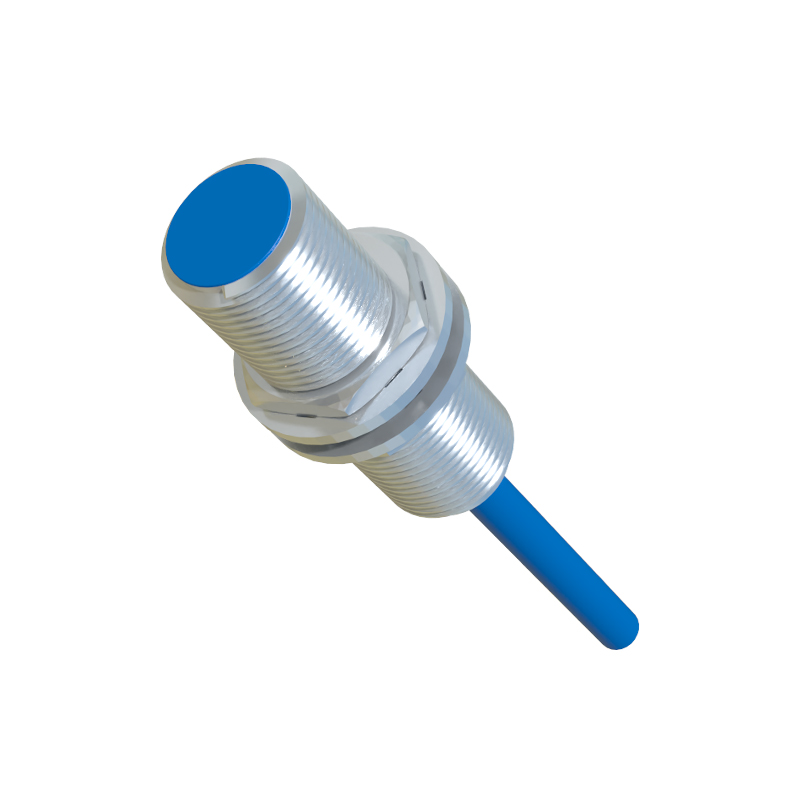
The retrofit process requires meticulous planning and execution. First, conduct a comprehensive risk assessment of the machine or zone in question, following standards like ISO 12100 and ISO 13849-1. This assessment determines the required Performance Level (PL) or Safety Integrity Level (SIL) and dictates the specifications of the light curtain (e.g., resolution, height, safety distance calculation per ISO 13855). The safety distance must ensure the machine reaches a safe state before a person can access the hazard.
The physical installation involves mounting the transmitter and receiver enclosures on stable, vibration-resistant structures, ensuring perfect optical alignment across the entire protective field. Environmental factors like dust, coolant mist, or ambient light must be considered; many light curtains are rated IP67 or higher for harsh conditions. The electrical integration is the most critical phase. The safety light curtain's OSSD (Output Signal Switching Device) outputs must be connected to a validated safety relay or a safety-rated input on a PLC. Crucially, the existing control logic must be reviewed and modified. The machine's cycle might have been initiated by a proximity sensor's signal; now, the safe state depends on the uninterrupted light curtain. All interlocks, reset functions, and monitoring circuits must comply with safety standards, often requiring dual-channel monitoring for fault detection.
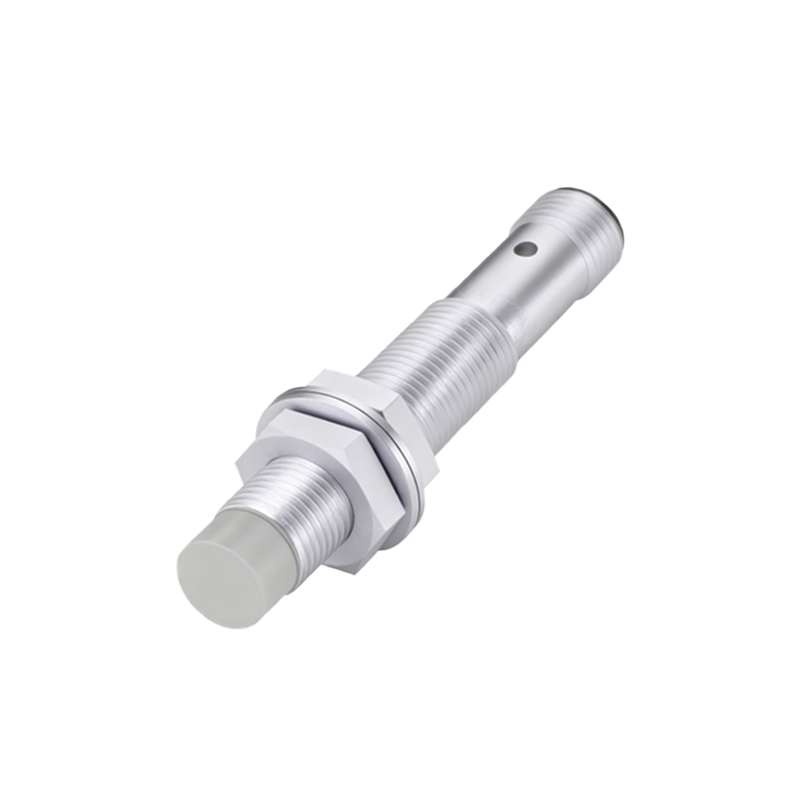
A common challenge is integrating the new safety system with legacy machine controls. Engineers must ensure that the safety function overrides all other operational modes. Another consideration is the potential for nuisance stops due to environmental factors or improper alignment, which can impact productivity. Proper commissioning, including function testing and validation with physical tests (e.g., using a test rod), is non-negotiable to verify the system operates as designed.
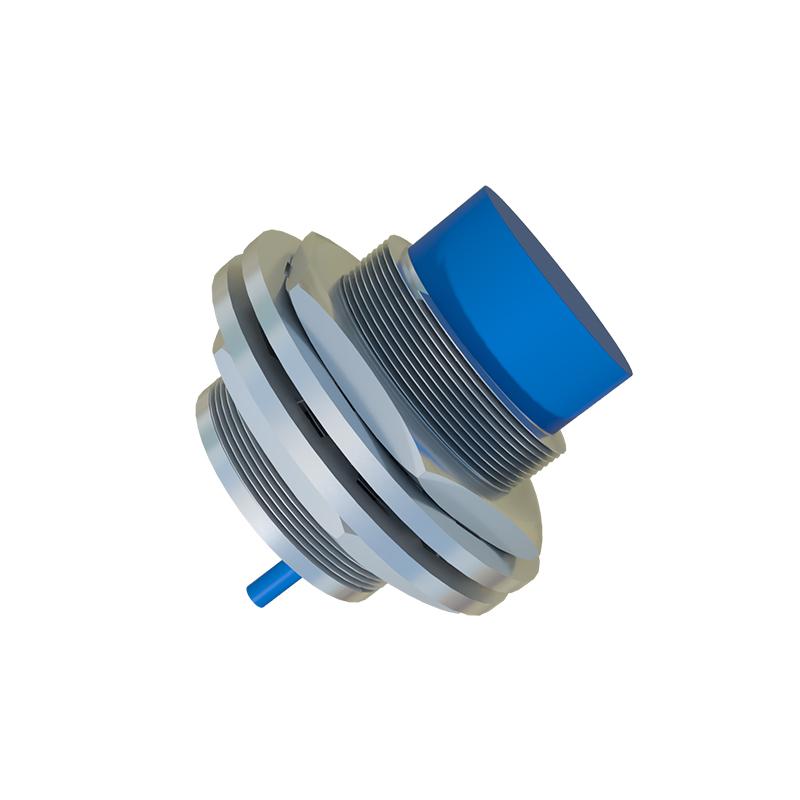
In conclusion, retrofitting proximity sensors with through-beam safety light curtains is a technically sound investment that elevates machine safeguarding to modern standards. It moves the system from simple detection to assured personnel protection with enhanced diagnostics. For the electrical engineer, success lies in a methodical approach: rigorous risk assessment, adherence to international safety standards, careful hardware selection and installation, and thorough validation of the integrated safety function. This retrofit not only fulfills legal and ethical safety obligations but also paves the way for more connected and intelligent manufacturing operations.