In modern industrial automation, proximity sensors play a critical role in detecting the presence or absence of objects without physical contact. These devices are essential for enhancing efficiency, safety, and reliability across various sectors. Understanding the appropriate application scenarios for different types of proximity sensors is key to optimizing system performance. This guide explores the primary categories of proximity sensors and their ideal use cases.
Inductive proximity sensors are widely used in metal detection applications. They generate an electromagnetic field to detect ferrous and non-ferrous metals, making them suitable for harsh environments with dust, oil, or moisture. Common applications include position sensing in machinery, conveyor belt monitoring, and metal part counting in automotive assembly lines. Their robustness and resistance to environmental interference make them a staple in manufacturing and heavy industries.
Capacitive proximity sensors can detect both metallic and non-metallic materials, such as plastics, liquids, and granular substances. They operate by measuring changes in capacitance when an object enters their electrostatic field. These sensors are ideal for level detection in tanks containing liquids or powders, material handling in packaging industries, and presence sensing of non-metallic objects in food processing. Their versatility allows them to be used in applications where other sensors might fail.
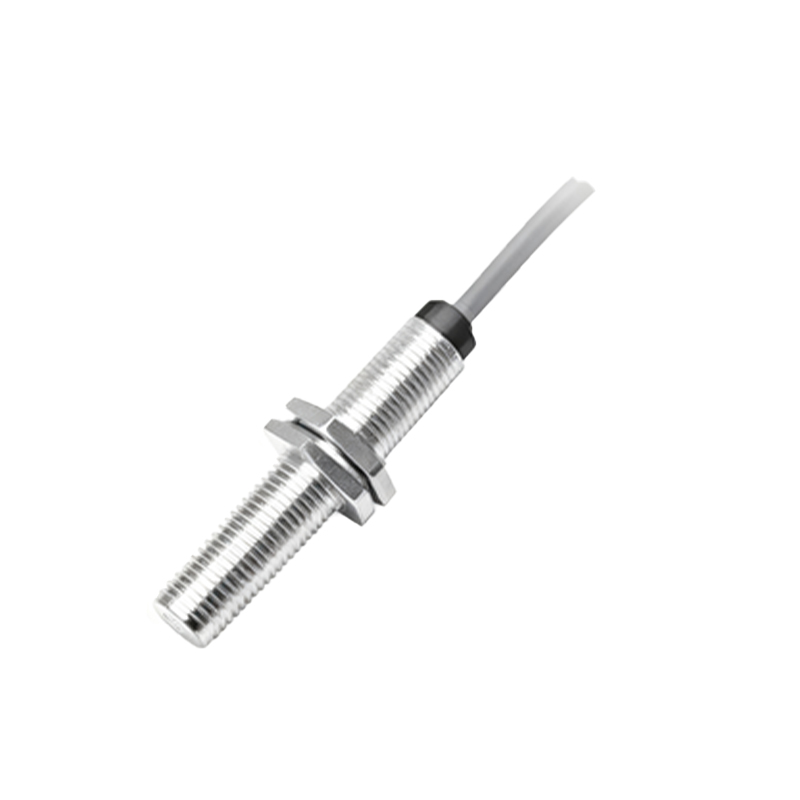
Ultrasonic proximity sensors use sound waves to detect objects, regardless of material composition. They are effective for distance measurement and object detection in challenging conditions, such as transparent or shiny surfaces that may confuse optical sensors. Typical applications include pallet detection in logistics, liquid level control in chemical plants, and obstacle avoidance in automated guided vehicles (AGVs). Their ability to operate in dusty or foggy environments adds to their reliability.
Magnetic proximity sensors rely on magnetic fields to detect permanent magnets or magnetized objects. They are often used in safety applications, such as door position sensing in elevators or machinery guards, and in high-temperature environments where other sensors might degrade. Their simplicity and durability make them suitable for automotive systems, like gear position detection, and industrial valves.
Photoelectric sensors, while sometimes categorized separately, function as proximity devices using light beams. They excel in long-range detection and can sense small or fast-moving objects. Applications include object counting on high-speed production lines, edge detection in printing, and registration control in textile manufacturing. Their precision and speed are valuable in electronics and pharmaceutical industries.
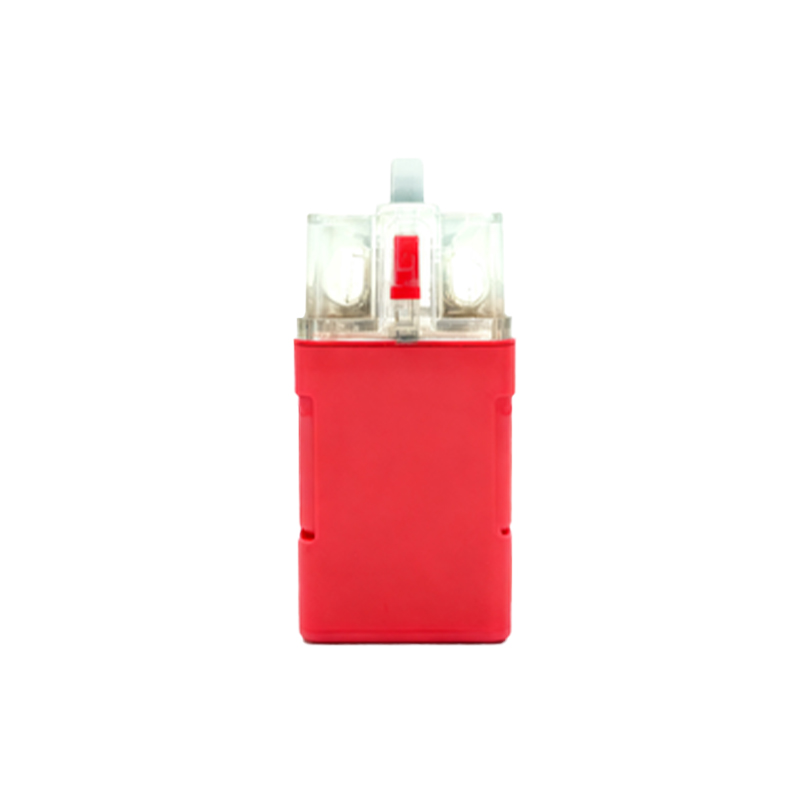
When selecting a proximity sensor, factors like sensing range, environmental conditions, target material, and response time must be considered. Inductive sensors are best for metals in tough settings, capacitive for diverse materials, ultrasonic for variable conditions, magnetic for safety-critical roles, and photoelectric for high-speed tasks. Proper selection ensures reduced downtime, improved accuracy, and cost savings. In summary, matching sensor type to application requirements is fundamental for achieving optimal industrial automation outcomes.