Proximity sensors are essential components in modern automation, robotics, and safety systems, detecting the presence or absence of objects without physical contact. Their reliable operation hinges on a stable and appropriate power supply, which directly influences accuracy, response time, and longevity. Understanding the power requirements and selecting the correct supply method is critical for optimal performance in industrial and commercial applications.
Most proximity sensors operate on direct current (DC) voltage, with common ratings being 12V DC or 24V DC, though some models support 5V DC or other ranges. The choice of voltage often depends on the control system environment; for instance, 24V DC is prevalent in industrial settings due to its ability to mitigate voltage drop over long wiring distances. Alternating current (AC) powered sensors exist but are less common, typically used in specific legacy systems. It is vital to consult the sensor's datasheet to confirm its voltage range, current consumption, and polarity requirements. Incorrect voltage can lead to malfunction, reduced sensing range, or permanent damage.
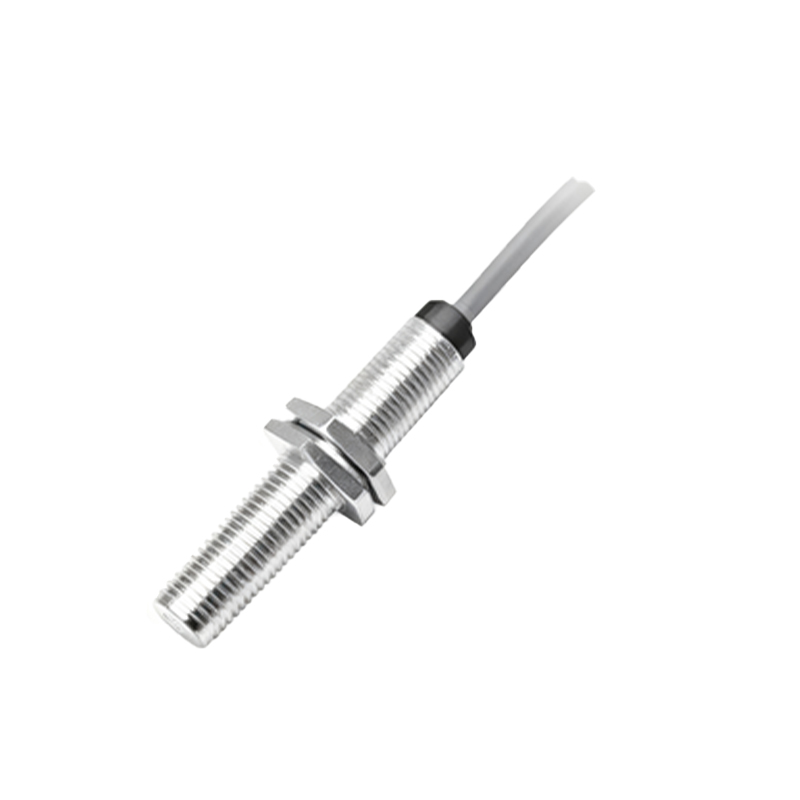
Several power supply configurations are employed based on the application. A dedicated regulated power supply unit (PSU) is a robust solution, providing clean and stable voltage, which minimizes electrical noise interference—a common cause of false triggering. In multi-sensor setups, a single PSU with adequate current capacity can power multiple sensors, provided the total current draw does not exceed the PSU's rating. Calculating total current involves summing the individual quiescent and load currents of all connected sensors.
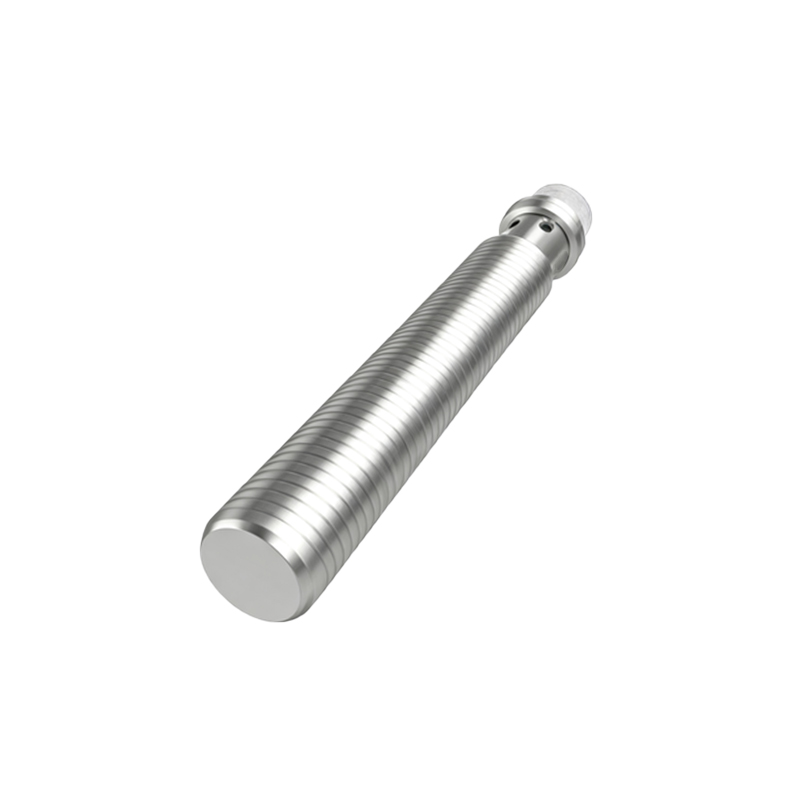
For integration with programmable logic controllers (PLCs), sensors are often powered directly from the PLC's DC output terminals or via an accompanying power supply module. This simplifies wiring and ensures compatibility. In battery-operated or portable devices, such as handheld scanners or mobile robots, power is sourced from batteries or rechargeable cells. Here, considerations shift to energy efficiency, low quiescent current, and potential voltage regulation circuits to maintain consistent operation as battery voltage declines.
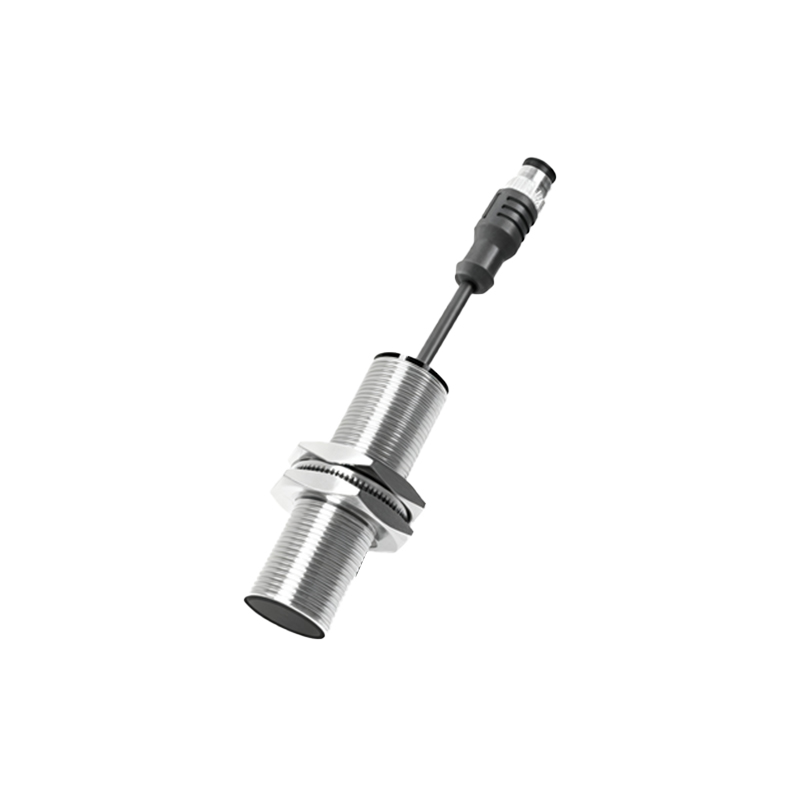
Wiring practices significantly impact power integrity. Using shielded cables can protect against electromagnetic interference (EMI), especially in environments with motors or frequency drives. Proper grounding is equally important to avoid ground loops that introduce noise. For two-wire DC sensors, which function by allowing a small leakage current even when off, ensuring the load receives sufficient current is key. Three-wire and four-wire sensors separate power and output lines, offering more straightforward connections and often better performance.
Voltage fluctuations and transients pose risks. In areas with unstable mains power or inductive loads, incorporating protective measures like surge suppressors, voltage regulators, or isolation transformers can prevent damage. Additionally, adhering to the sensor's environmental specifications—such as operating temperature—ensures the power supply components themselves remain reliable.
In summary, powering proximity sensors demands attention to voltage compatibility, current capacity, noise suppression, and application context. A well-designed power scheme enhances sensor reliability, reduces downtime, and supports precise automation. Always prioritize manufacturer guidelines and industry standards to achieve safe and efficient system integration.