Lidar, which stands for Light Detection and Ranging, is a remote sensing method that uses pulsed laser light to measure distances and create precise, three-dimensional information about the surrounding environment. This technology has rapidly evolved from a niche tool for surveying and atmospheric research to a critical component in the future of autonomous vehicles, robotics, smart cities, and industrial automation. For investors, this evolution presents a significant opportunity. The global lidar market is projected to experience substantial growth in the coming decade, driven primarily by advancements in automotive safety systems and the gradual rollout of self-driving capabilities. Consequently, lidar sensor stocks have garnered considerable attention from both growth and technology-focused investors.
The investment thesis for lidar is built on multiple pillars. In the automotive sector, lidar is considered by many experts to be an essential sensor for achieving higher levels of autonomy (Level 3 and above). It provides high-resolution, long-range data that is unaffected by lighting conditions, complementing cameras and radar. While the timeline for fully autonomous vehicles remains debated, the adoption of lidar for advanced driver-assistance systems (ADAS) like automatic emergency braking and highway pilot is already underway. Beyond automotive, lidar is crucial for the mapping and surveying industry, enabling the creation of highly accurate digital twins of cities, construction sites, and landscapes. Robotics, both industrial and consumer, relies on lidar for navigation and object avoidance. Emerging applications in security, agriculture, and even augmented reality further expand the total addressable market.
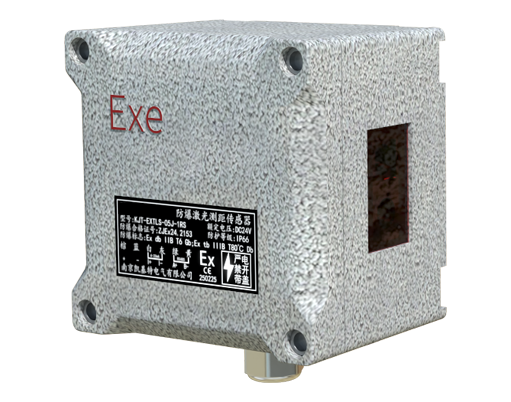
The landscape of publicly traded lidar companies is diverse, comprising pure-play lidar developers, established industrial conglomerates with lidar divisions, and companies further up the supply chain. Pure-play companies are often the most direct investment but can carry higher volatility. These firms are intensely focused on developing next-generation sensors, reducing costs, and scaling manufacturing to meet anticipated demand. Their success is closely tied to securing design wins with major automotive original equipment manufacturers (OEMs) or other large-scale commercial partners. Investors should scrutinize their technology roadmap, patent portfolios, financial health, and management team's execution capability.
On the other hand, larger industrial or technology conglomerates offer a more diversified exposure to lidar. These companies may have robust lidar units embedded within broader portfolios that include other sensors, software, and integrated systems. Investing in these entities can provide a buffer against the specific execution risks of a single technology while still offering a stake in the lidar growth story. Their scale often allows for significant research and development investment and established manufacturing and sales channels.
For investors considering this sector, a thorough due diligence process is vital. Key factors to analyze include the company's technological differentiation. Is the sensor solid-state or mechanical? What is its range, resolution, and field of view? Cost per unit is a critical metric, especially for automotive applications where price sensitivity is high. The strength and diversity of the customer pipeline are paramount; a partnership with a leading automaker or tech company can be a major validation. Financial metrics such as revenue growth, burn rate, and path to profitability are essential for assessing sustainability, particularly for younger companies. Furthermore, the competitive landscape is fierce, with numerous players vying for market share, which could lead to consolidation.

The road ahead for lidar is promising but not without challenges. Regulatory approval for autonomous vehicles, the pace of consumer adoption, technological hurdles in sensor miniaturization and cost reduction, and the ongoing debate about sensor fusion (combining lidar with cameras and radar) all present variables. However, the fundamental driver remains: as machines are tasked with perceiving and navigating the physical world with greater autonomy, the demand for reliable, high-precision spatial awareness tools will only intensify. Lidar is positioned to be a cornerstone of that technological shift.

In conclusion, lidar sensor stocks represent a high-growth, high-potential segment within the broader technology and industrial sectors. They offer investors a way to participate in the transformative trends of automation and digitization. A prudent investment strategy involves understanding the different types of companies in the ecosystem, from agile pure-plays to diversified giants, and conducting deep research into their technology, financials, and market position. As with any emerging technology investment, a long-term perspective and careful risk assessment are advisable to navigate the exciting yet dynamic landscape of lidar innovation.