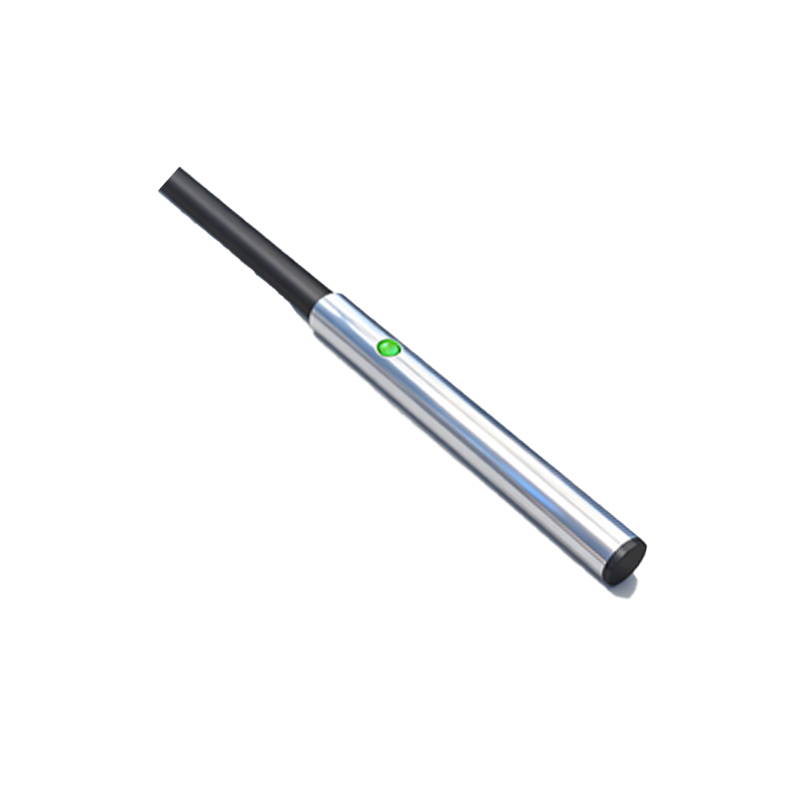
Plug-in proximity sensors are a critical component in modern industrial automation systems, designed to detect the presence or absence of objects without physical contact. These sensors operate based on electromagnetic, capacitive, or inductive principles, making them ideal for harsh environments where dust, moisture, or mechanical wear could compromise performance. A plug-in design refers to the sensor's connectivity—typically featuring a standardized connector or quick-disconnect interface—allowing for easy installation, replacement, and maintenance without extensive wiring or downtime.
In industrial settings, plug-in proximity sensors are widely used for tasks such as position sensing, object counting, and safety monitoring. For instance, in conveyor systems, they detect items on the line, triggering subsequent actions like sorting or packaging. Their non-contact nature ensures minimal wear and tear, leading to higher reliability and longevity compared to mechanical switches. Common types include inductive sensors for metal detection, capacitive sensors for non-metallic materials, and ultrasonic sensors for distance measurement.
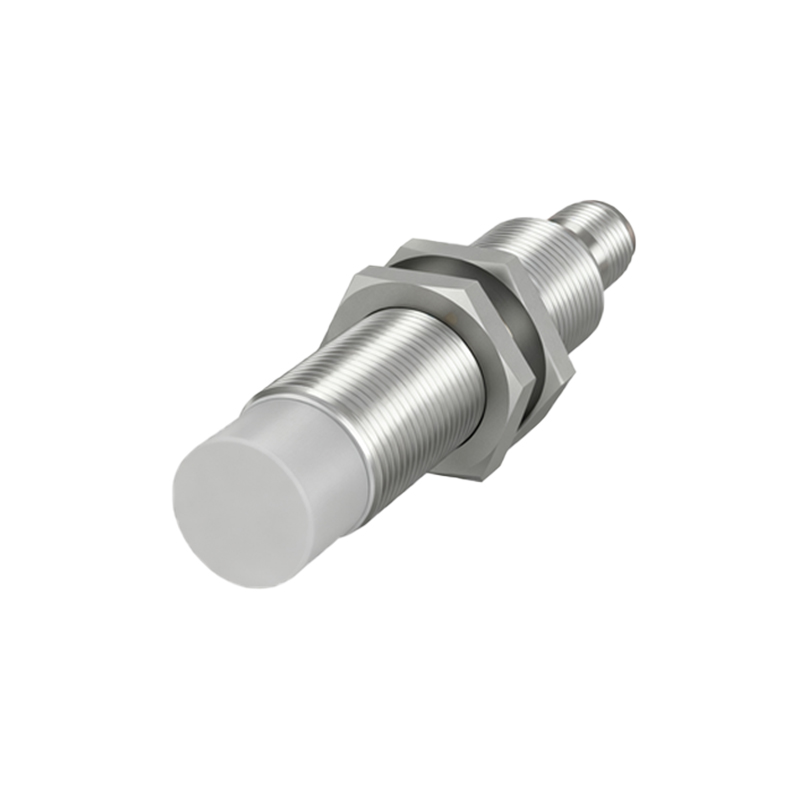
Key features of plug-in proximity sensors include high switching frequencies, resistance to environmental factors, and adjustable sensing ranges. Many models offer IP67 or higher ingress protection ratings, safeguarding against water and dust ingress. The plug-in interface often integrates with industry-standard protocols like IO-Link, enabling smart diagnostics and data exchange for predictive maintenance. This connectivity reduces troubleshooting time and enhances system efficiency.
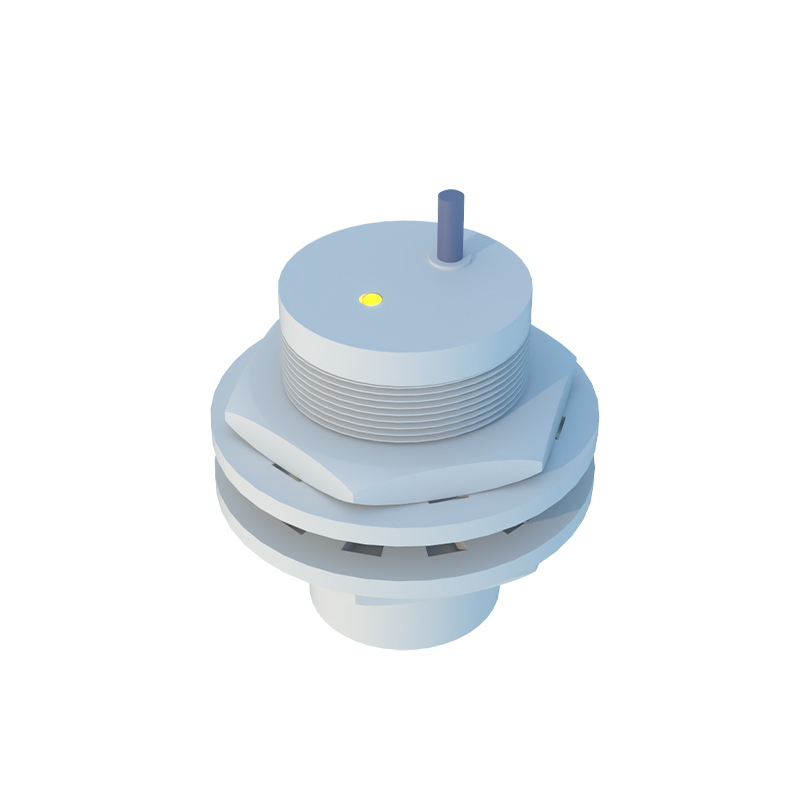
When selecting a plug-in proximity sensor, engineers consider factors such as sensing distance, material compatibility, output type (e.g., PNP or NPN), and environmental conditions. Proper installation involves aligning the sensor correctly and avoiding interference from nearby metal objects or electrical noise. Regular calibration and testing ensure optimal performance, especially in high-precision applications like robotics or assembly lines.
Advancements in sensor technology have led to miniaturized designs, enhanced accuracy, and integration with IoT platforms. These innovations support Industry 4.0 initiatives, where real-time data from sensors contributes to automated decision-making and process optimization. As industries increasingly adopt automation, plug-in proximity sensors remain indispensable for improving productivity, safety, and operational flexibility.