The landscape of industrial safety and environmental monitoring has been fundamentally transformed by the advent of laser methane remote sensing sensors. These sophisticated instruments represent a paradigm shift from traditional point-contact detectors, offering unprecedented capabilities for the non-contact, long-range, and highly selective detection of methane (CH₄) gas leaks. At their core, these sensors operate on the principle of Tunable Diode Laser Absorption Spectroscopy (TDLAS). A laser beam, precisely tuned to an absorption line specific to methane molecules in the near-infrared spectrum, is projected towards a target area. Any methane gas present along the beam's path absorbs a fraction of the light at this specific wavelength. By analyzing the attenuated signal—either through direct reflection from a natural background or using a retroreflector—the sensor quantifies the methane concentration with remarkable accuracy and speed, often within parts-per-million (ppm) levels over distances exceeding hundreds of meters.
The technical superiority of laser methane sensors is multifaceted. Their most significant advantage is the ability to perform stand-off detection. This eliminates the need for personnel to enter potentially hazardous environments for routine monitoring, thereby drastically enhancing operational safety in sectors like oil and gas, petrochemicals, and wastewater treatment. Engineers can now survey vast facilities, pipeline routes, and offshore platforms rapidly from a safe distance, identifying leak plumes that would be invisible to the naked eye. Furthermore, the technology exhibits exceptional selectivity. The laser is tuned so precisely that it is virtually immune to cross-interference from other gases commonly found in industrial settings, such as water vapor, carbon dioxide, or various hydrocarbons. This ensures reliable readings and minimizes false alarms, a critical factor for efficient maintenance and regulatory compliance.

From an application perspective, the utility of these sensors spans the entire energy and infrastructure value chain. In upstream oil and gas operations, they are deployed for fugitive emission surveys at wellheads, compressor stations, and storage tanks, aiding in both environmental stewardship and the conservation of product. Midstream, they are indispensable for pipeline integrity management. Mounted on vehicles, drones, or aircraft, these sensors enable efficient patrols of thousands of kilometers of pipeline, quickly pinpointing leaks that could lead to significant economic loss, safety incidents, or environmental damage. In urban settings, utility companies leverage portable or vehicle-based systems to survey natural gas distribution networks, ensuring public safety by proactively identifying leaks in streets and neighborhoods.
The integration of laser methane sensors with modern data platforms and the Internet of Things (IoT) is unlocking new frontiers in predictive maintenance and smart facility management. Real-time data from fixed, continuously monitoring sensors can be fed into centralized control systems, providing operators with a live "methane map" of their facility. Advanced analytics can trend this data, predict potential failure points based on concentration build-ups, and trigger automated alerts or work orders. This shift from scheduled, manual inspections to condition-based, data-driven monitoring represents a leap in operational efficiency and risk mitigation.
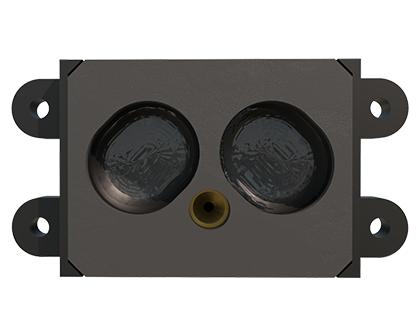
Despite their advantages, the implementation of laser-based systems requires careful consideration. Factors such as atmospheric conditions (heavy rain, fog, or dust can scatter the laser beam), the reflectivity of the target surface, and the initial capital investment are important practical aspects. However, the total cost of ownership is increasingly justified by the prevention of costly incidents, reduced regulatory fines, and enhanced corporate sustainability reporting. Ongoing research is focused on miniaturizing components, reducing power consumption for battery-operated and drone-mounted units, and enhancing data processing algorithms for even greater sensitivity and faster response times.
In conclusion, laser methane remote sensing sensors are no longer a niche technology but a cornerstone of modern industrial safety and environmental strategy. By providing rapid, accurate, and safe detection of methane leaks, they empower engineers and operators to protect assets, ensure worker and public safety, and meet increasingly stringent environmental regulations. As the technology continues to evolve, its role in enabling a safer and more sustainable industrial ecosystem will only become more pronounced, solidifying its status as an essential tool for the responsible management of hydrocarbon infrastructure worldwide.