For engineers, procurement specialists, and system integrators in the industrial automation and machinery sectors, determining the cost of a magnetic proximity sensor is a common yet critical task. The question "How much does a magnetic proximity sensor cost?" does not have a single, straightforward answer. The price spectrum is broad, influenced by a complex interplay of technical specifications, performance requirements, brand positioning, and purchasing volume. Understanding these factors is essential for making informed budgetary and sourcing decisions.
At its core, a magnetic proximity sensor is a solid-state device that detects the presence or absence of a magnetic field, typically from a permanent magnet. Its non-contact operation, reliability in harsh environments (resistant to dust, oil, and moisture), and long service life make it a staple in position sensing, limit switching, and speed detection applications. The fundamental price drivers begin with the sensor's technology and form factor. Basic, unshielded (non-flush mountable) inductive sensors with a simple two-wire AC/DC configuration are generally the most economical entry point. In contrast, more advanced models featuring DC three-wire or four-wire configurations (PNP/NPN, NO/NC), shielded (flush mountable) designs for metallic environments, or specialized versions with analog outputs or IO-Link digital communication capabilities command a higher price.
Performance specifications directly correlate with cost. Key parameters include:
Sensing Distance: A sensor with a standard 5mm or 10mm range will cost less than one with an extended 20mm or 30mm range.
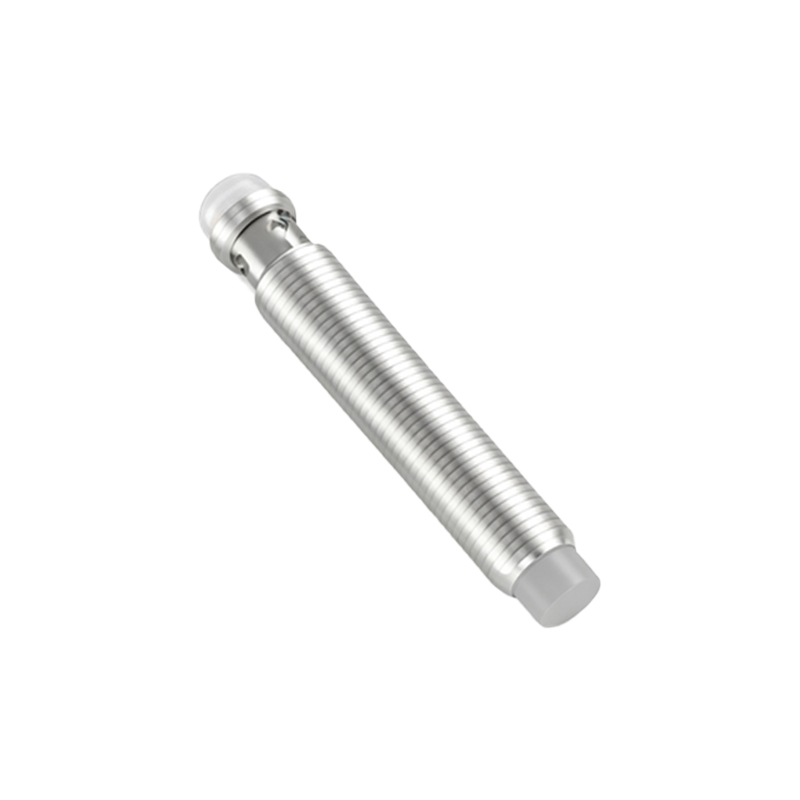
Electrical Characteristics: Operating voltage range (e.g., 10-30V DC vs. a wider range), current rating, and protection features like reverse polarity protection and short-circuit protection add value and cost.
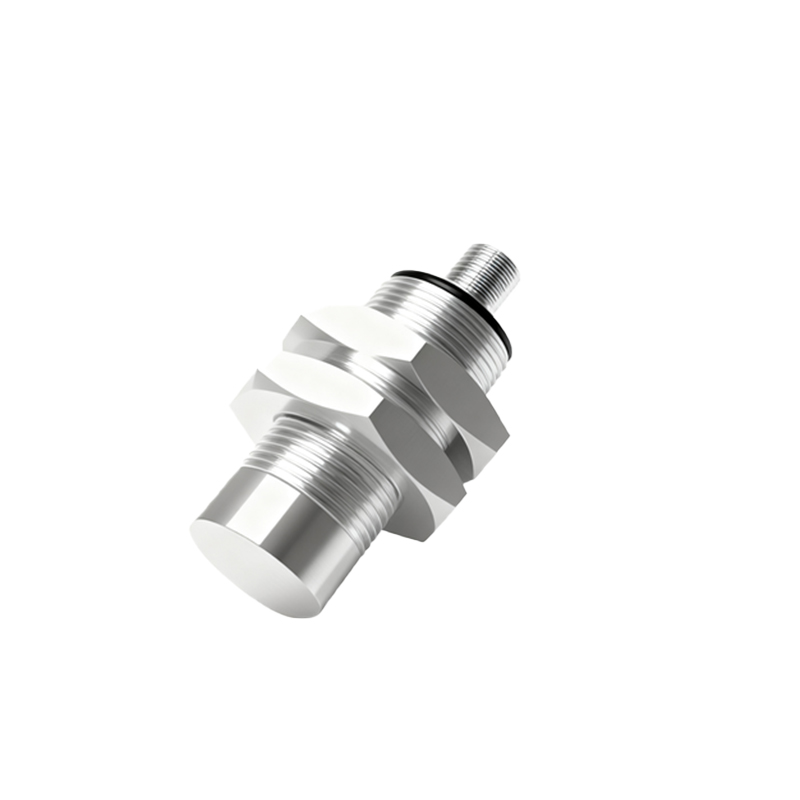
Environmental Ratings: The Ingress Protection (IP) rating and housing material are significant cost factors. A sensor with an IP67 rating (suitable for washdown environments) and a stainless-steel housing will be priced higher than a plastic-housed sensor with a lower IP rating. Sensors rated for extreme temperatures or high-pressure washdowns carry a premium.
Output Type: A standard relay or transistor output is standard. Sensors with built-in diagnostics, programmable outputs, or advanced fieldbus interfaces (like PROFINET or EtherNet/IP) represent the high end of the market.
Brand reputation and supply chain positioning play a substantial role. Established global manufacturers like Siemens, Pepperl+Fuchs, Omron, and Balluff are known for high reliability, extensive technical support, and global availability, which is reflected in their pricing, often 20-50% higher than economy-tier brands. Mid-tier and economy brands offer competitive alternatives, particularly for standard applications, but may vary in consistency and long-term support. Furthermore, list prices are often just a starting point. Significant discounts are standard for original equipment manufacturer (OEM) volume purchases, annual contracts, or distributor partnerships. Purchasing a single unit from a catalog will incur the highest per-unit cost.
Providing a precise price without specific requirements is impractical, but general market ranges can be outlined (note: prices are indicative and subject to market fluctuations). For a standard, tubular DC 3-wire sensor with a sensing range of up to 10mm, IP67 rating, and PNP output:
Economy/Budget Tier: $15 - $30 per unit. Often sourced from online marketplaces or value-oriented distributors.
Mid-Range/Standard Tier: $30 - $70 per unit. This range includes many reliable brands common in industrial panels and machinery.
High-Performance/Premium Tier: $70 - $200+ per unit. This encompasses sensors with extended ranges, special materials (e.g., V4A stainless steel), high-temperature ratings, advanced connectivity (IO-Link), or those from top-tier automation suppliers.
For specialized sensors, such as cylindrical sensors with very long ranges, rectangular form factors, or those with intrinsic safety (ATEX/IECEx) certifications for hazardous areas, prices can easily exceed $300 per unit. When budgeting, it is crucial to consider the total cost of ownership, not just the initial purchase price. Factors like mean time between failures (MTBF), ease of installation, wiring requirements, and the cost of production downtime due to sensor failure must be weighed against a lower upfront cost. Consulting directly with authorized distributors or manufacturer representatives with detailed application requirements is the most effective way to obtain an accurate quotation and ensure the selected sensor provides optimal value and reliability for its intended operational life.