Level proximity switch sensors are indispensable components in modern industrial automation and process control systems. These devices provide reliable, non-contact detection of liquid or solid levels in tanks, silos, hoppers, and various containers. Their operation hinges on the principle of sensing the presence or absence of a material at a predetermined point, triggering an electrical signal to control pumps, valves, alarms, or other equipment. Unlike continuous level measurement devices, proximity switches offer a simple, cost-effective solution for point-level detection, making them ideal for high/low-level alarms, overfill protection, and pump control.
The core technology behind these sensors varies, with each type suited to specific media and environmental conditions. Capacitive proximity switches detect level changes by measuring the capacitance between the sensor probe and the tank wall. When the material (which has a different dielectric constant than air) reaches the sensing electrode, it alters the capacitance, triggering the switch. This type is highly versatile, capable of detecting liquids, granules, powders, and even through non-metallic container walls. However, its sensitivity to material properties and potential buildup on the probe requires careful calibration and maintenance.
Inductive proximity switches, on the other hand, are designed primarily for detecting conductive liquids or metallic solids. They generate an electromagnetic field; when a conductive target enters this field, eddy currents are induced, causing a change in the oscillation amplitude that activates the switch. They are robust, resistant to buildup, and excellent for harsh environments but are unsuitable for non-conductive materials like plastics or most organic liquids.
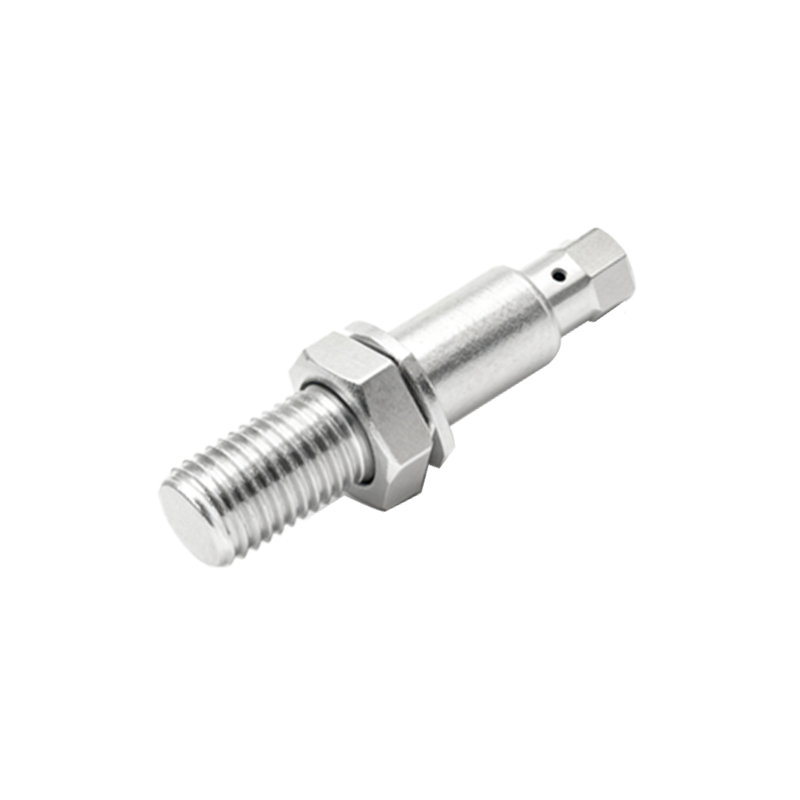
Ultrasonic and optical proximity switches offer alternative solutions. Ultrasonic sensors emit high-frequency sound waves; the presence of material at the sensing point affects the wave's reflection or absorption, triggering the switch. They are effective for bulk solids and opaque liquids but can be affected by dust, vapor, or surface turbulence. Optical sensors use infrared light, with a transmitter and receiver. The material's presence interrupts or reflects the light beam, changing the receiver's signal. They provide high precision for clear liquids and small particles but may falter with dirty, sticky, or opaque media where lens fouling occurs.
Selecting the appropriate level proximity switch demands a thorough analysis of the application. Key parameters include the material's properties (conductivity, dielectric constant, viscosity, abrasiveness), process conditions (temperature, pressure, presence of foam, vapor, or agitation), installation requirements (thread size, mounting orientation), and output needs (PNP/NPN, NO/NC, relay). For instance, a capacitive switch might be chosen for powdered resin in a plastic hopper, while an inductive switch would be mandatory for detecting molten metal in a foundry. Environmental factors like washdown requirements in food processing or hazardous area certifications (ATEX, IECEx) for explosive atmospheres are also critical.
Installation and commissioning are pivotal for optimal performance. Proper mounting location is essential to avoid false triggers from splashing, swirling, or material buildup. Regular maintenance, such as cleaning optical lenses or checking for coating on capacitive probes, ensures long-term reliability. Modern advancements include sensors with IO-Link communication for digital parameter setting and diagnostics, enhancing integration with Industry 4.0 systems.
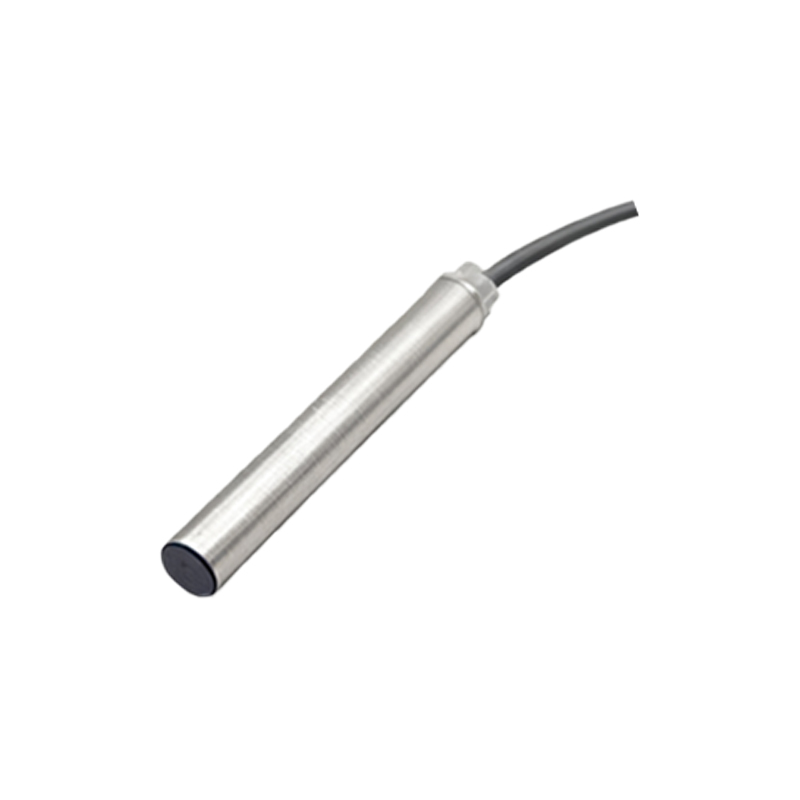
In summary, level proximity switches are vital for safe and efficient process automation. Understanding their working principles, types, and application-specific considerations enables engineers to implement robust level control solutions, preventing overflows, run-dry conditions, and ensuring seamless operations across industries from water treatment and chemical processing to food & beverage and pharmaceuticals.