In the rapidly evolving landscape of electrical engineering, the integration of standard laser sensors has become a cornerstone for achieving unparalleled precision and operational efficiency. These sensors, now a staple in industrial automation, robotics, and quality control systems, leverage advanced optical technology to deliver accurate measurements and real-time data. This article explores the fundamental principles, key applications, and future trends of standard laser sensors, highlighting their transformative impact across various sectors.
Laser sensors operate on the principle of emitting a focused beam of light—typically from a laser diode—toward a target object. The sensor then detects the reflected light, calculating parameters such as distance, displacement, or surface characteristics based on the time-of-flight, triangulation, or interferometry methods. This non-contact measurement capability is crucial in environments where physical contact could compromise accuracy or damage sensitive components. For instance, in manufacturing assembly lines, laser sensors ensure precise positioning of parts, reducing errors and minimizing waste. Their high-speed response and micron-level resolution make them indispensable for tasks requiring meticulous attention to detail.
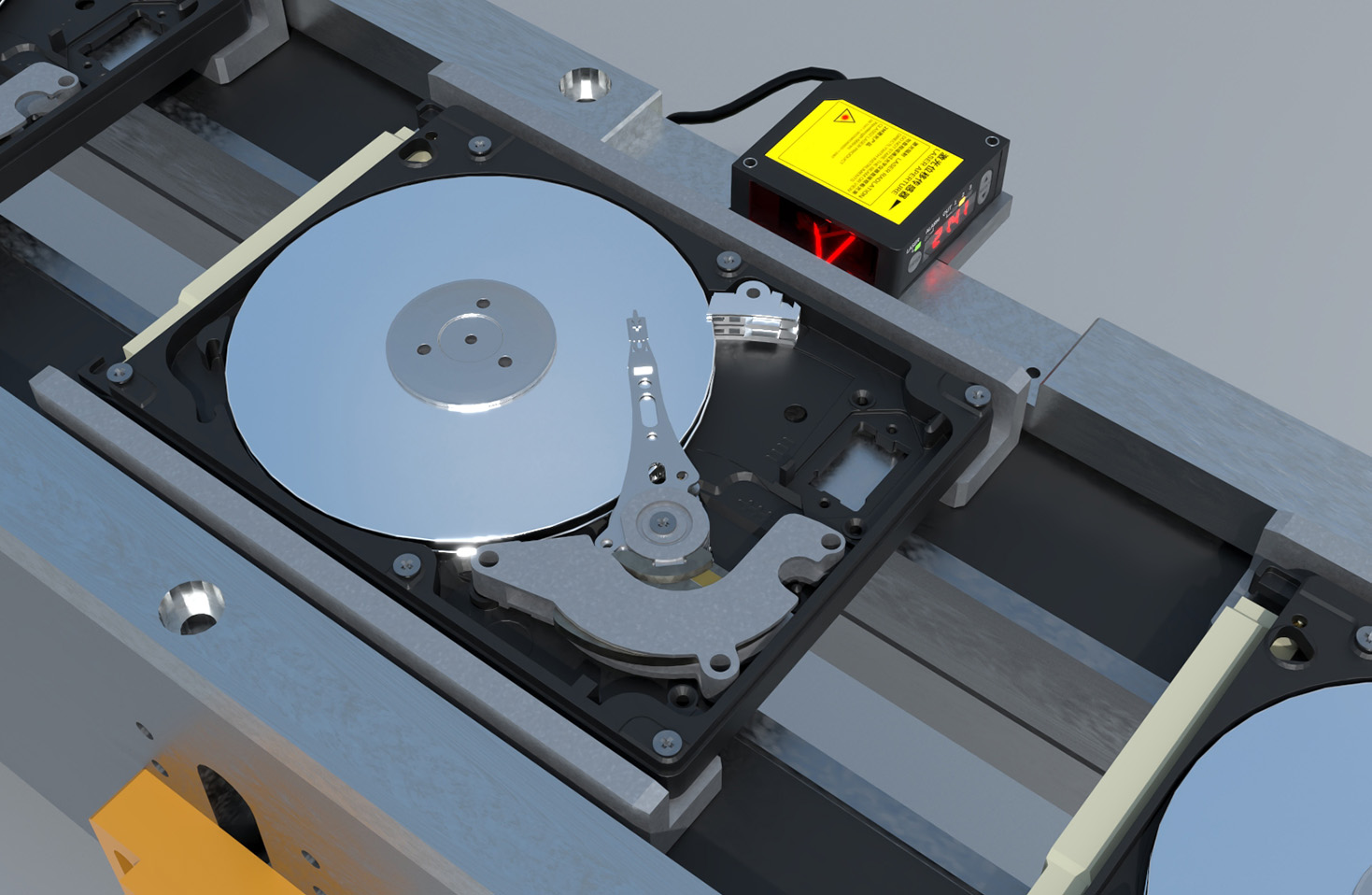
The adoption of standard laser sensors spans diverse industries. In automotive manufacturing, they are used for weld seam tracking, gap measurement, and paint thickness inspection, enhancing both safety and aesthetic quality. In electronics, these sensors facilitate the alignment of microchips and circuit boards, supporting the miniaturization trend in device production. Additionally, in logistics and warehousing, laser-based systems enable automated sorting and inventory management by accurately detecting object dimensions and locations. Beyond industrial settings, laser sensors contribute to renewable energy projects, such as monitoring solar panel alignment or wind turbine blade integrity, thereby optimizing energy output and maintenance schedules.
Key advantages of standard laser sensors include their robustness, adaptability, and low maintenance requirements. Designed to withstand harsh conditions like extreme temperatures, vibrations, and dust, they offer reliable performance in demanding applications. Modern sensors often incorporate smart features, such as self-calibration and connectivity with IoT platforms, allowing for seamless integration into Industry 4.0 frameworks. This connectivity enables predictive maintenance, where sensor data analytics can forecast potential failures, reducing downtime and operational costs. Moreover, the standardization of these sensors has led to cost-effectiveness, making advanced laser technology accessible to small and medium-sized enterprises, fostering innovation across the board.
Looking ahead, the future of standard laser sensors is poised for further advancements. Emerging trends include the development of miniaturized sensors for portable devices, enhanced spectral analysis for material identification, and integration with artificial intelligence for autonomous decision-making. As electrical engineering continues to embrace digital transformation, laser sensors will play a pivotal role in enabling smarter, more responsive systems. Engineers and industry professionals must stay abreast of these developments to leverage the full potential of laser sensing technology, driving progress toward more efficient and sustainable industrial practices.
In summary, standard laser sensors represent a critical innovation in electrical engineering, offering precise, non-contact measurement solutions that boost productivity and quality. Their widespread application underscores their versatility, while ongoing technological refinements promise to expand their utility even further. By understanding and implementing these sensors, professionals can enhance system performance, reduce environmental impact, and contribute to the advancement of global industrial standards.