In the intricate world of automation and smart devices, small proximity sensor images represent a critical visual gateway into understanding these compact yet powerful components. These images are far more than simple product photos; they are detailed visual documents that reveal the engineering marvels enabling touchless interaction, precision detection, and enhanced safety across countless applications. From the sleek, unibody design of a capacitive sensor to the distinct lens of an infrared model, each image tells a story of miniaturization and functionality.
High-quality images of small proximity sensors typically showcase their remarkably compact form factors, often no larger than a coin or a fingernail. Key visual details include the sensor's housing material, usually a robust polymer or metal casing that ensures durability in industrial environments. The front face often features a clear window or lens, which is the active area for emitting and receiving signals. In inductive proximity sensors, designed for metal detection, images might highlight a solid, cylindrical metal barrel. For photoelectric types, the focus is on the precise alignment of the emitter and receiver within a tiny housing. These visual cues are essential for engineers and procurement specialists to identify the correct sensor type, mounting style, and sensing range for their specific needs, such as selecting a shielded versus unshielded inductive model based on the visible housing design.
The practical utility of these images extends deep into the electronics design and integration process. Detailed photographs, especially those with scale references like a ruler or a common object, provide immediate understanding of the sensor's footprint on a printed circuit board (PCB). Close-up shots of the pin configurations—whether it's a standard 3-pin (Vcc, Output, GND) or 4-pin M8/M12 connector—are invaluable for planning circuit layout and wiring harnesses. Furthermore, cross-sectional diagrams or cutaway images illustrate the internal arrangement of the oscillator coil, amplifier, and output circuitry, demystifying how the device generates an electromagnetic field or infrared beam to detect an object without physical contact. This visual information accelerates prototyping and troubleshooting, reducing errors in system integration.
In application contexts, small proximity sensor images demonstrate their transformative impact. A picture of a sensor embedded within a smartphone's bezel, explaining the mechanism for turning off the screen during a call, makes the technology relatable. In industrial settings, images show these sensors mounted on robotic arms for precise part positioning, inside automated packaging machinery to count products, or along assembly lines to monitor object presence. Another powerful set of images contrasts the non-contact operation of these sensors with mechanical limit switches, highlighting the absence of wear and tear, faster response times, and higher reliability. For consumer appliances, images might depict the sensor hidden behind a plastic panel in a touchless faucet or an automatic soap dispenser, emphasizing the seamless and hygienic user experience enabled by such small devices.
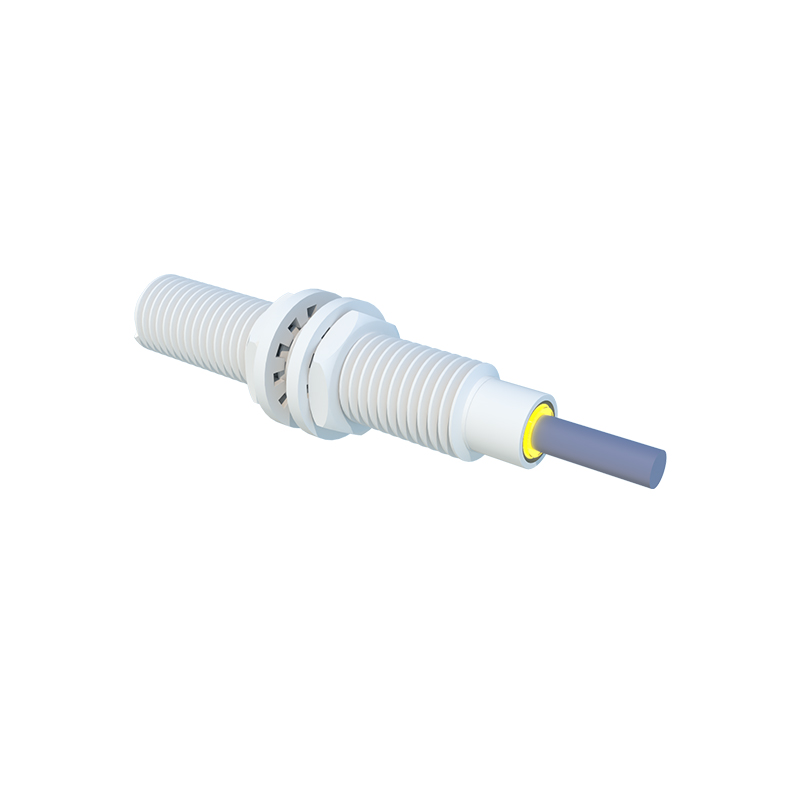
When sourcing these components, detailed product images become a critical factor in vendor selection and quality assurance. They allow buyers to verify markings for part numbers, brand logos, and electrical specifications printed on the housing. Images showing environmental ratings, such as IP67 sealing against dust and water ingress, provide visual confidence for use in harsh conditions. Comparative images between different models—contrasting sensing distances, output types (PNP vs. NDC), or housing colors—aid in making informed purchasing decisions. It is always recommended to obtain high-resolution, multi-angle images from manufacturers or distributors to ensure the physical product matches the design requirements perfectly.
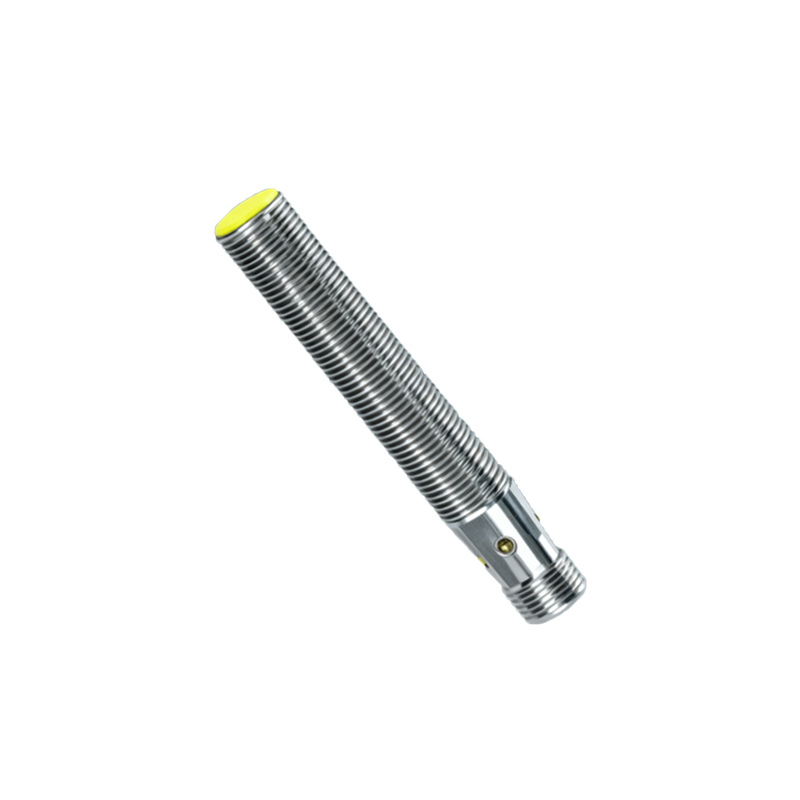
Ultimately, small proximity sensor images serve as an indispensable tool at the intersection of education, specification, and innovation. They translate complex datasheet parameters into tangible, understandable visuals. As sensors continue to shrink in size while growing in capability, driven by advancements in MEMS (Micro-Electro-Mechanical Systems) and integrated circuit technology, their images will continue to be a primary resource. They empower engineers to design more intelligent systems, help technicians maintain equipment efficiently, and enable the continued proliferation of automation that makes our devices smarter, our factories more productive, and our daily interactions more intuitive. By studying these images, one gains a profound appreciation for the sophisticated technology packed into such small packages, driving progress silently and effectively.