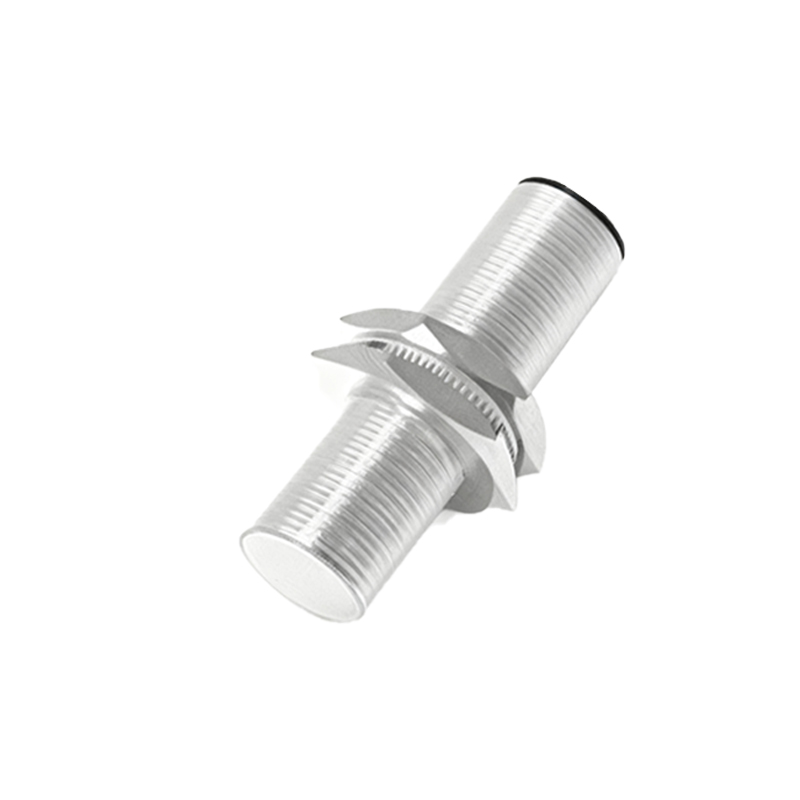
In the intricate world of industrial automation and machinery design, the front cover proximity sensor stands as a critical, yet often understated, component. Its primary function is to detect the presence or absence of an object—specifically, the machine's front cover or access panel—without any physical contact. This non-contact detection is typically achieved through electromagnetic, capacitive, or inductive sensing principles, with inductive sensors being predominant for metal targets like machine covers.
The core operational principle hinges on the sensor generating an electromagnetic field. When the metallic front cover moves within this predefined detection range, it causes a disturbance or change in the oscillator circuit within the sensor. This change is processed by the sensor's circuitry, triggering a solid-state output signal. This signal is then fed directly into the machine's central control system, such as a Programmable Logic Controller (PLC). The immediate and fundamental role of this signal is to confirm whether the protective cover is securely in its closed and locked position.
The implications of this simple confirmation are profound for operational safety, machine integrity, and process efficiency. Firstly, and most critically, it serves as a primary safety interlock. Modern safety standards, such as ISO 13849-1, mandate that access to hazardous moving parts inside machinery must be safeguarded. The proximity sensor ensures that the machine cannot initiate a dangerous cycle—like a press stroke, spindle rotation, or conveyor start—unless the cover is confirmed closed. If an operator opens the cover during operation, the sensor detects the absence of the cover and sends a signal to halt the machine immediately, preventing potential injuries.
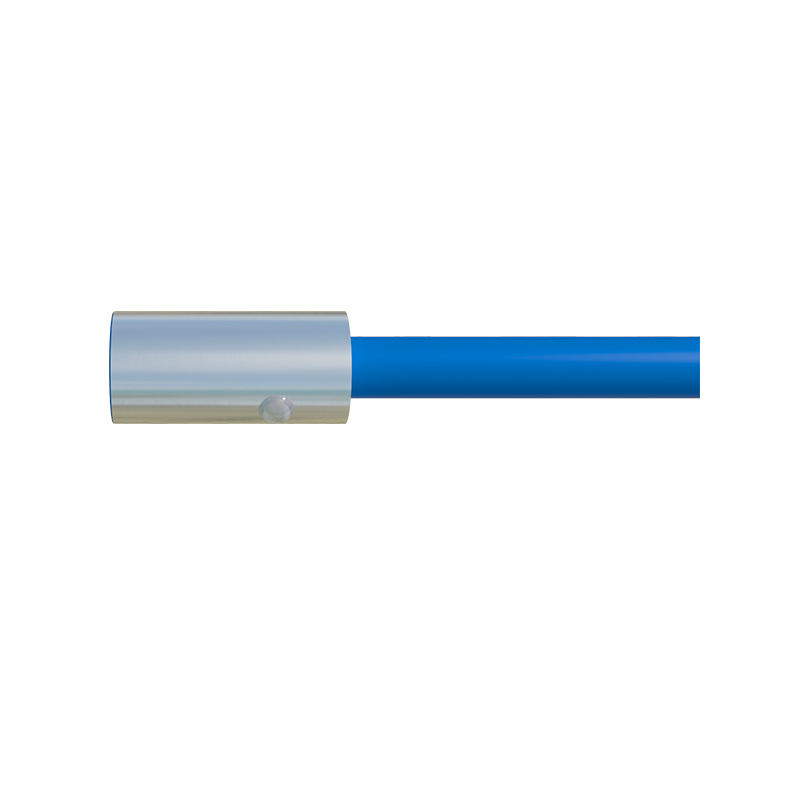
Beyond pure safety, these sensors are vital for preventing machine damage and ensuring process quality. In automated assembly lines or CNC machining centers, an open cover might expose internal mechanisms to airborne contaminants like dust or coolant mist. By ensuring the cover is sealed before operation, the sensor helps maintain the required clean or controlled environment. Furthermore, in processes where timing and sequence are paramount, an unexpected open cover could disrupt the entire cycle, leading to jams, misaligned parts, or tool crashes. The sensor provides a definitive "ready" state for the control logic to proceed.
The selection and installation of a front cover proximity sensor require careful engineering consideration. Factors such as the sensing distance (often very short-range for this application), the material of the target (usually ferrous metal), the required output type (PNP/NPN, NO/NC), and the environmental rating (IP67 for resistance to coolants and dust) are crucial. They must be robust enough to withstand constant vibration, potential mechanical impacts, and wide temperature fluctuations common in industrial settings. Regular maintenance and testing are also essential to ensure their reliability, as a failed sensor can lead to costly unplanned downtime or, worse, a compromised safety system.
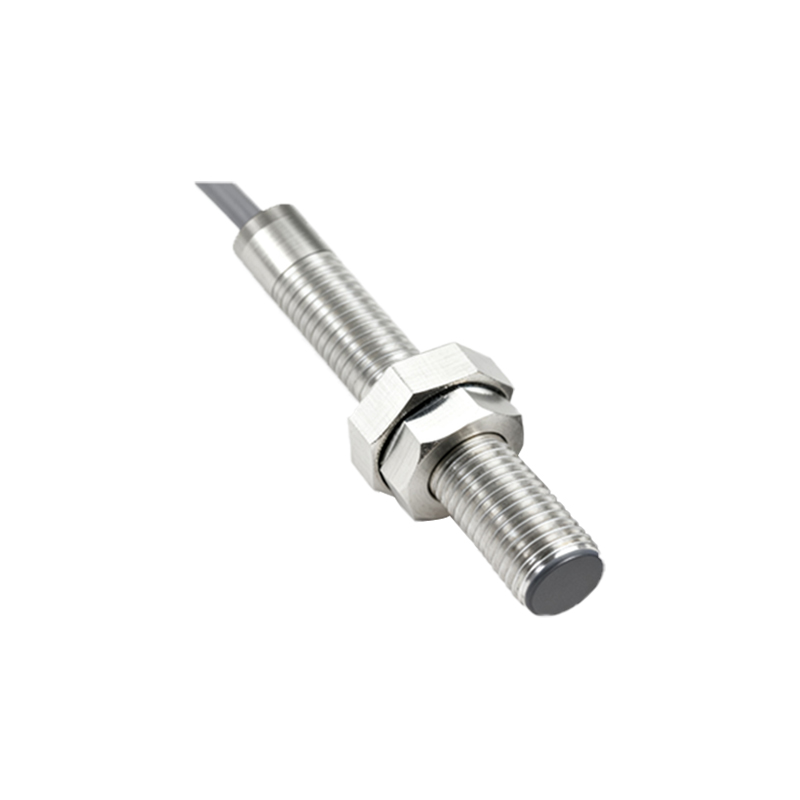
In advanced Industry 4.0 setups, the data from these sensors is integrated into broader network systems. It contributes to predictive maintenance analytics, providing logs of access events that can help diagnose operational patterns or early signs of wear. Thus, the humble front cover proximity sensor evolves from a simple switch into a data point for smart factory management.
In conclusion, the front cover proximity sensor is far more than just a switch. It is a fundamental enabler of safe, reliable, and efficient industrial automation. By providing a reliable, non-contact method of verifying machine state, it protects personnel, safeguards expensive capital equipment, and ensures the continuity of complex automated processes. Its silent, continuous operation is a cornerstone of the safety and precision expected in modern manufacturing.