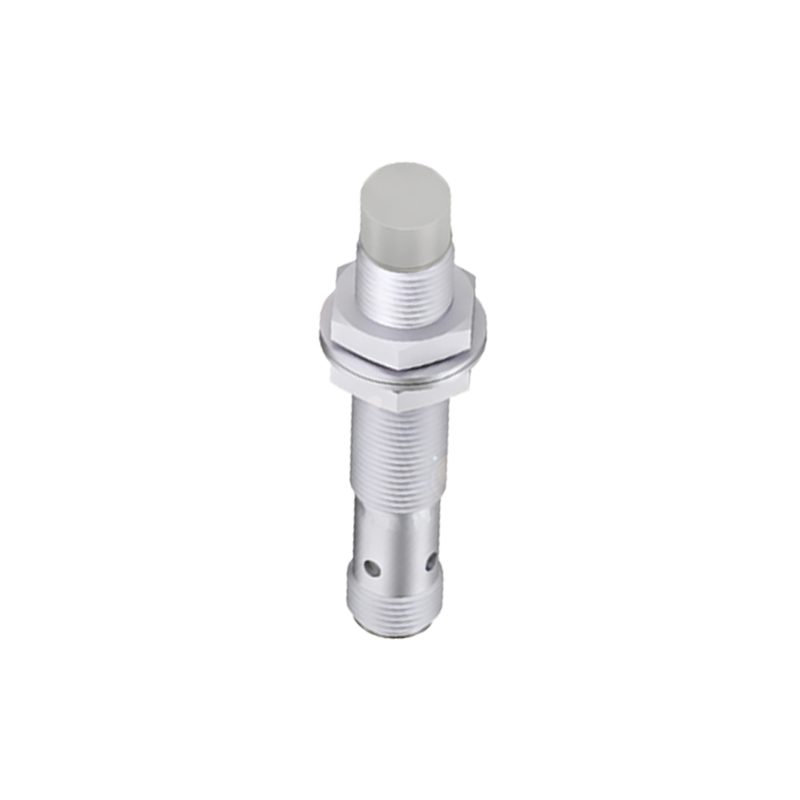
Metal proximity photoelectric sensors are critical components in modern industrial automation, offering reliable non-contact detection of metallic objects. These sensors operate on the principle of emitting a light beam—typically infrared, visible red, or laser—and detecting changes in the reflected light when a metal target enters the sensing range. Unlike inductive proximity sensors that rely on electromagnetic fields, photoelectric variants use optical technology, making them versatile for various applications where precise, high-speed detection is required.
The working mechanism involves a transmitter and a receiver. The transmitter projects a light beam toward a target area. When a metal object interrupts or reflects this beam, the receiver detects the alteration in light intensity or time-of-flight, triggering an output signal. Common types include through-beam, retro-reflective, and diffuse reflective sensors. Through-beam sensors have separate transmitter and receiver units, providing long sensing distances and high accuracy. Retro-reflective models use a reflector to bounce light back to the receiver, suitable for medium-range applications. Diffuse reflective sensors integrate both transmitter and receiver in one housing, detecting light reflected directly from the target, ideal for short-range tasks.
Key advantages of metal proximity photoelectric sensors include their ability to detect small or fast-moving metallic parts without physical contact, reducing wear and maintenance. They are immune to electromagnetic interference, ensuring stable performance in noisy industrial environments. Additionally, these sensors can distinguish between different materials based on reflectivity, though calibration is necessary for optimal results with metals. Typical sensing ranges vary from a few millimeters to several meters, depending on the model and target surface properties.
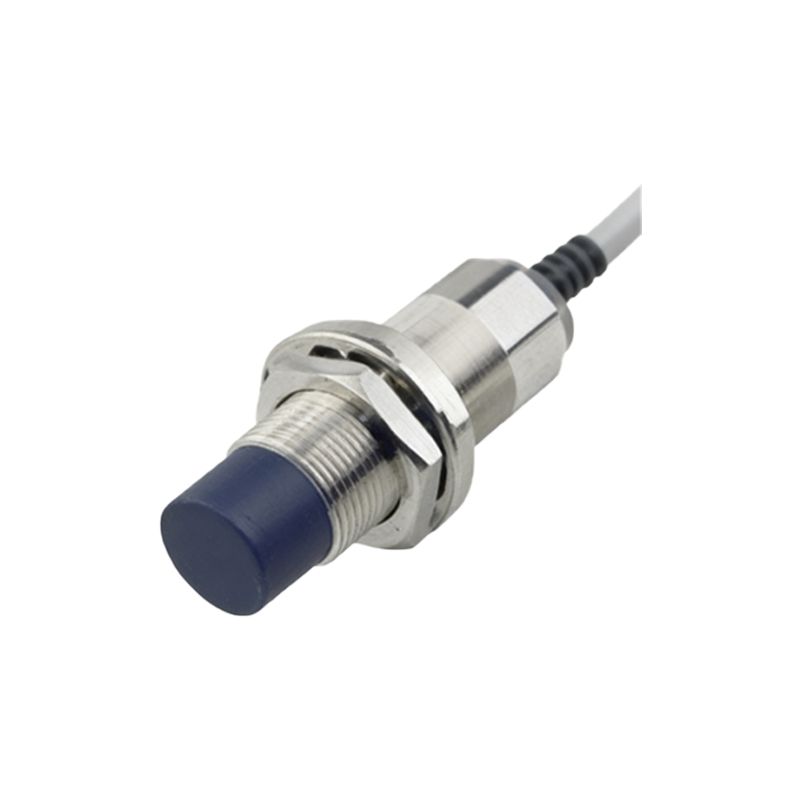
In industrial settings, these sensors are widely used in conveyor systems for object counting, positioning in robotic arms, safety guarding in machinery, and quality control in manufacturing lines. For instance, in automotive assembly, they verify the presence of metal components like bolts or panels. In packaging, they ensure metallic seals are correctly placed. Regular maintenance involves cleaning lenses to prevent dust or debris from affecting accuracy, and aligning components to avoid misalignment due to vibration.
When selecting a metal proximity photoelectric sensor, factors to consider include sensing distance, response time, environmental conditions (e.g., temperature, humidity), and output type (e.g., NPN, PNP, analog). Advanced models feature adjustable sensitivity, built-in diagnostics, and rugged housings rated IP67 or higher for durability in harsh conditions. As Industry 4.0 evolves, integration with IoT systems enables real-time monitoring and predictive maintenance, enhancing efficiency.
In summary, metal proximity photoelectric sensors are indispensable for automation, offering precision and reliability. By understanding their principles and applications, engineers can optimize industrial processes, improve safety, and reduce downtime. Future trends may focus on miniaturization, enhanced connectivity, and smarter algorithms for adaptive sensing in complex environments.