In the realm of industrial automation and control systems, the 24V proximity sensor stands as a fundamental and ubiquitous component. Its primary function is to detect the presence or absence of an object without any physical contact, relying instead on electromagnetic fields, light, or sound. The 24V DC operating voltage has become a de facto standard in factory environments, offering an optimal balance between safety, noise immunity, and compatibility with Programmable Logic Controllers (PLCs) and other control devices.
A proximity sensor operating on 24V DC is prized for its reliability and robustness. Unlike mechanical limit switches, which suffer from wear and tear due to physical contact, proximity switches offer non-contact detection, leading to virtually infinite operational life and maintenance-free performance. This is critical in high-cycle applications or harsh environments where dust, moisture, or vibrations are present. The 24V supply is considered a "safe extra-low voltage" (SELV) in many regions, reducing risks associated with electrical shock during installation or troubleshooting, a significant advantage over higher voltage systems.
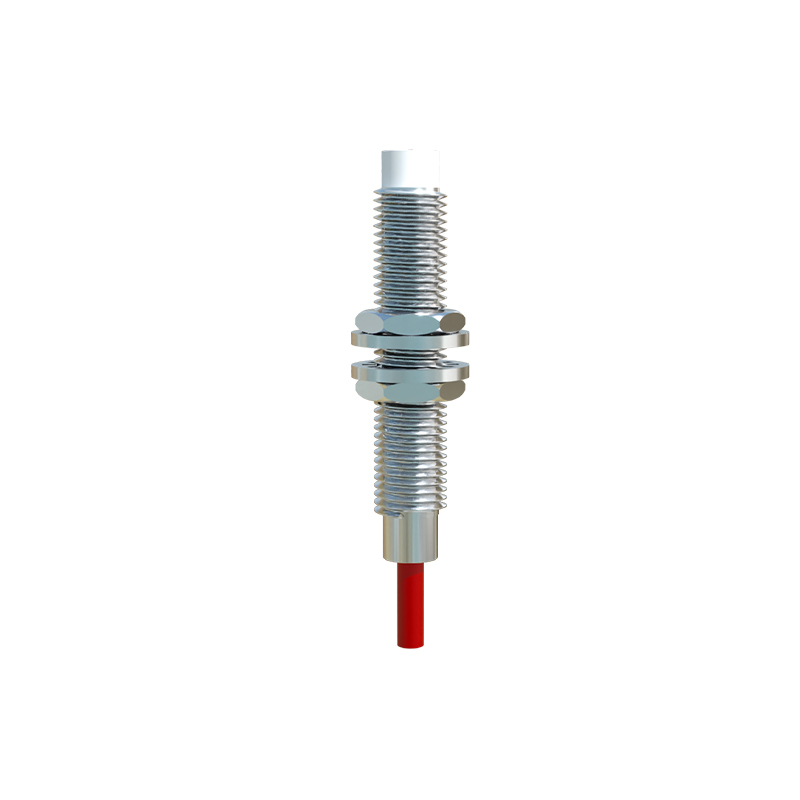
There are several primary types of 24V proximity sensors, each suited for specific materials and applications. Inductive proximity sensors are the most common, capable of detecting metallic objects, typically ferrous metals like steel and iron. They generate an oscillating electromagnetic field. When a metal target enters this field, it causes a change in oscillation amplitude, which the sensor's circuitry detects, triggering a solid-state output switch. Capacitive sensors, on the other hand, can detect both metallic and non-metallic materials (plastics, wood, liquids) by sensing changes in capacitance. Ultrasonic sensors use sound waves to measure distance or detect objects, making them versatile for various material types and challenging conditions like transparent objects.
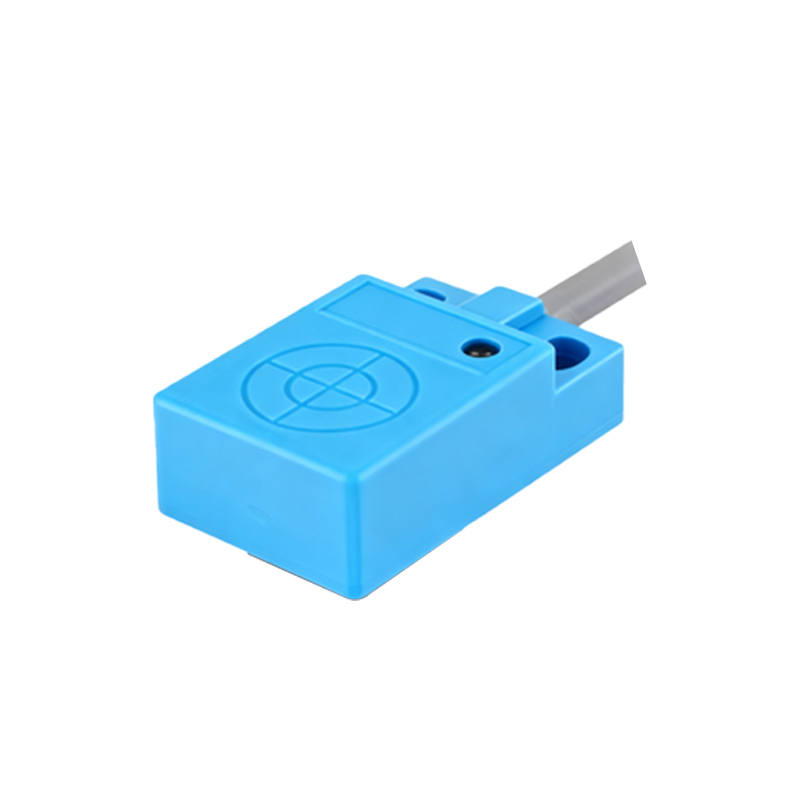
The output configuration of a 24V sensor is a key specification. The two main types are NPN (sinking) and PNP (sourcing) outputs. In a PNP sensor, the output switch connects the load to the positive 24V supply when activated. In an NPN sensor, the output switch connects the load to the negative or 0V supply. The choice between PNP and NPN often depends on the input circuitry of the PLC or controller being used. Furthermore, outputs can be normally open (NO) or normally closed (NC), defining the state of the output circuit when no target is present.
Selecting the right 24V proximity switch involves careful consideration of several parameters. The sensing range, or the maximum distance at which the sensor can reliably detect a standard target, is paramount. Factors like target material, size, and shape can affect this range. The housing material, typically nickel-plated brass, stainless steel, or PBT plastic, must be chosen based on the environmental conditions (e.g., chemical exposure, temperature extremes). Other critical specs include response frequency (how quickly it can detect objects), repeat accuracy, and protection ratings like IP67 or IP69K for resistance to dust and water ingress.
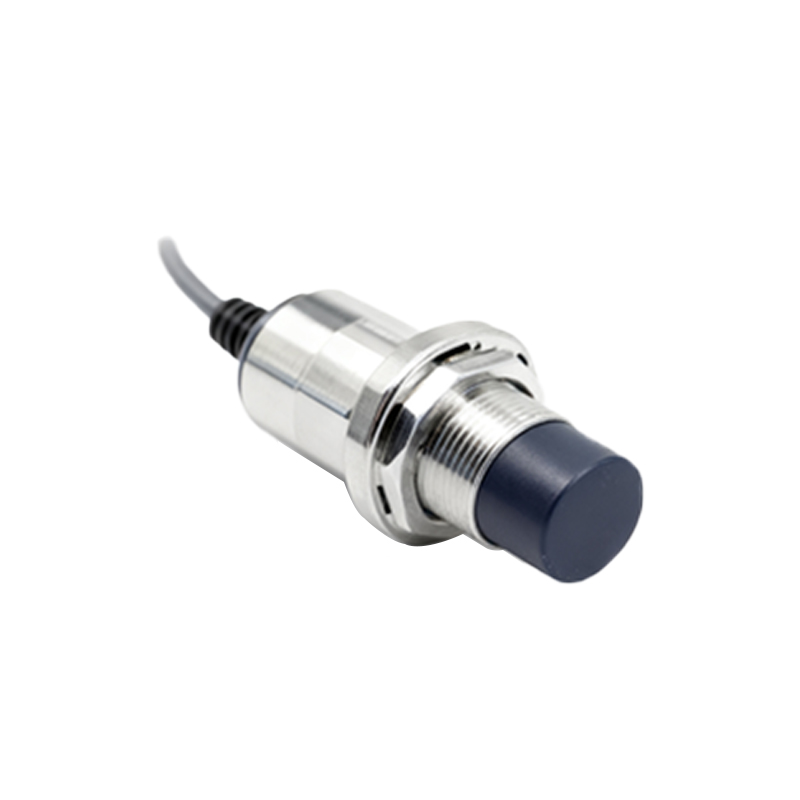
Installation and wiring are straightforward but require attention to detail. Always refer to the manufacturer's datasheet. Typically, a 3-wire or 4-wire sensor will have connections for Brown (24V+), Blue (0V), Black (output signal), and sometimes White (a second output or diagnostic). Proper shielding and routing of cables away from high-power lines are essential to prevent electromagnetic interference (EMI), which can cause erratic switching. Ensuring a stable, regulated 24V DC power supply is also crucial for consistent operation.
The applications for 24V DC proximity sensors are vast. They are used for object detection on conveyor lines, counting products, monitoring robot arm positions, detecting the end-of-travel of a cylinder, verifying part presence in a fixture, and ensuring machine guarding safety. Their integration into networked systems via IO-Link is also growing, providing advanced diagnostics, parameterization, and process data exchange beyond simple on/off switching.
In conclusion, the 24V proximity sensor is a cornerstone of modern industrial automation. Its non-contact operation, durability, and compatibility with standard control voltages make it an indispensable tool for engineers and technicians. By understanding its operating principles, types, and selection criteria, professionals can ensure optimal system performance, enhance productivity, and improve the reliability of automated processes across countless industries.