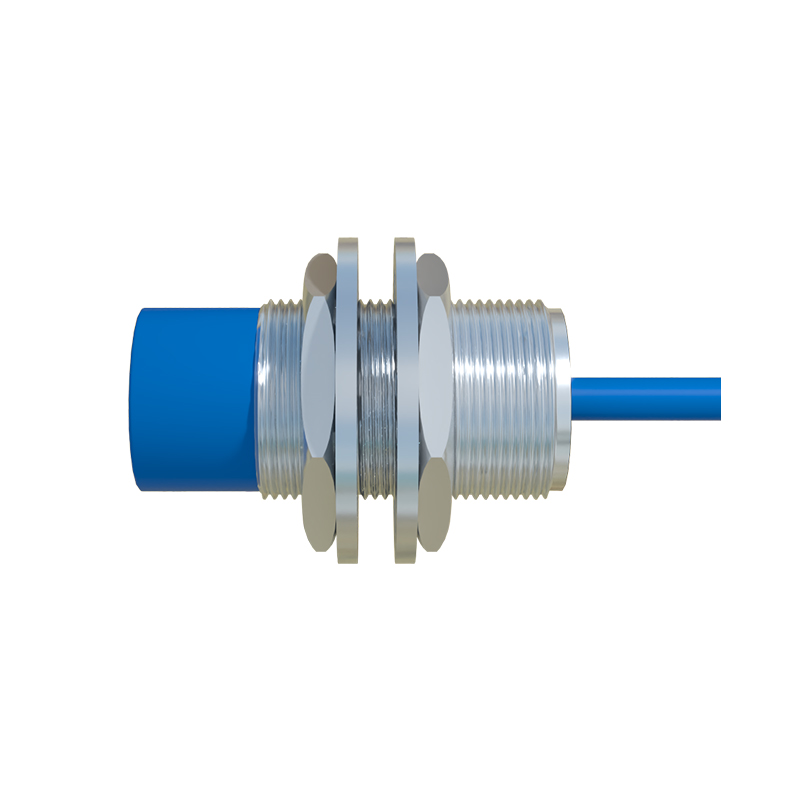
In the realm of industrial automation and control systems, proximity sensors are indispensable components for non-contact detection of objects. Their primary function is to sense the presence or absence of a target within a specified range without physical contact. A critical aspect of their operation and integration is the type of electrical signal they output. This signal is the language through which the sensor communicates with the programmable logic controller (PLC), microcontroller, or other control devices. The choice of signal type directly impacts system design, wiring, compatibility, and performance. This article delves into the common signal types generated by proximity sensors, namely Digital (Switching) signals and Analog signals, exploring their characteristics, applications, and key considerations.
The most prevalent output from standard proximity sensors is the Digital or Switching signal. This is a binary output, indicating one of two states: the target is either "detected" (ON) or "not detected" (OFF). This simple, robust communication method is the backbone of countless automation tasks like counting, positioning, limit switching, and part verification. Digital outputs are further categorized based on their electrical configuration. The two primary types are NPN (Sinking) and PNP (Sourcing) outputs. This distinction is fundamental and relates to the flow of current. An NPN output sensor switches the negative (0V) line to the load. When active, it connects the load to ground, allowing current to sink into the sensor. Conversely, a PNP output sensor switches the positive voltage line to the load, sourcing current from the sensor to the load when activated. Selecting between NPN and PNP is crucial and depends on the input circuit of the receiving control device; using an incompatible type will result in a non-functional system. Another important digital configuration is the Normally Open (NO) or Normally Closed (NC) contact logic. A Normally Open sensor closes its switch (completes the circuit) when a target is detected. A Normally Closed sensor opens its switch (breaks the circuit) upon detection. The choice between NO and NC depends on the safety and logic requirements of the application, such as designing a fail-safe circuit.
For applications requiring more than mere presence detection, Analog output proximity sensors are employed. These sensors provide a continuous signal that varies proportionally with the distance between the sensor and the target. Instead of a simple ON/OFF state, the output is a voltage or current value within a defined range. Common analog standards include 0-10V DC, 0-5V DC, and 4-20 mA current loops. For instance, a sensor might output 2V when the target is 5mm away and 8V when it is 1mm away. This continuous data enables precise measurement, such as monitoring the diameter of a roll, controlling the tension of a web, or gauging the thickness of a material. The 4-20 mA signal is particularly valued in industrial environments for its high noise immunity and ability to indicate a fault condition (a signal below 4 mA can signify a broken wire or sensor failure). Analog sensors bridge the gap between simple detection and precise metering, offering granular control for complex processes.
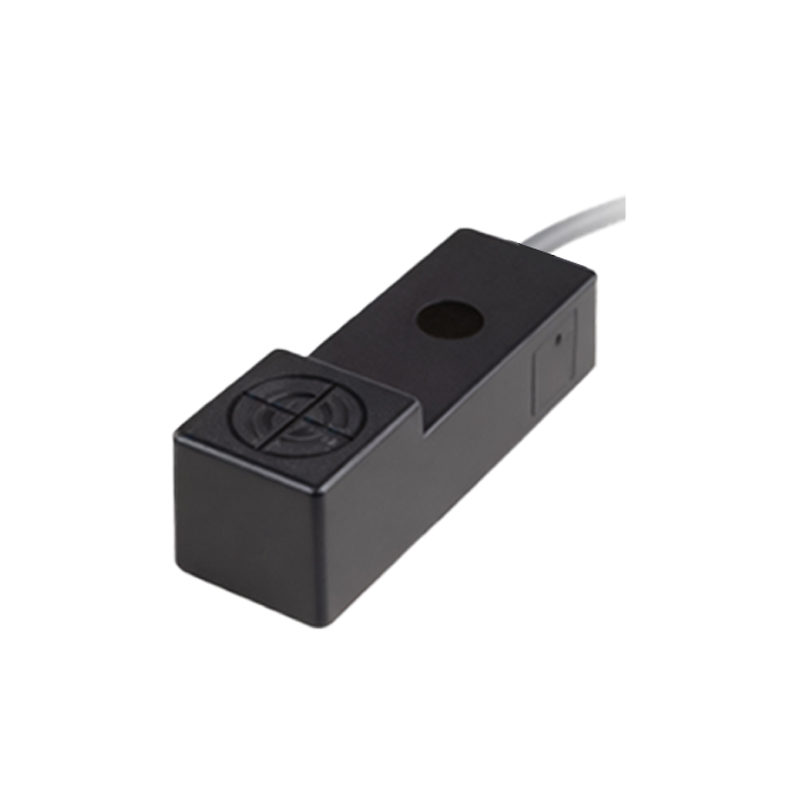
Beyond these core types, some advanced proximity sensors feature specialized outputs. Namur sensors are intrinsically safe devices designed for hazardous areas. They output a very low current signal (typically in the range of a few milliamps) that must be interpreted by a separate isolating amplifier, which then provides a standard switching signal to the control system. This design prevents the sensor from storing enough energy to cause an ignition in explosive atmospheres. Furthermore, with the rise of Industry 4.0 and Industrial IoT (IIoT), sensors with IO-Link capability are becoming increasingly common. IO-Link is a point-to-point serial communication protocol that allows for the bidirectional exchange of data. An IO-Link proximity sensor can transmit not just a standard switching signal but also rich parametric data like operating temperature, signal strength, calibration parameters, and device identification to the master controller. This enables advanced diagnostics, remote configuration, and predictive maintenance, transforming the sensor from a simple switch into an intelligent node on the network.
Selecting the correct signal type is a fundamental engineering decision. For basic detection tasks where speed and reliability are paramount, a digital (NPN/PNP) output is typically the most cost-effective and straightforward solution. Engineers must verify the compatibility with the PLC input card's sinking or sourcing design. For applications involving precise distance or position measurement, an analog output is necessary, with the 4-20 mA variant being preferred for long-distance runs in electrically noisy environments. In hazardous locations, Namur-compliant sensors paired with appropriate barriers are mandatory. When future-proofing a system, enhancing diagnostics, or integrating with smart factory architectures, specifying sensors with IO-Link output offers significant long-term benefits in terms of data accessibility and system flexibility. Understanding these signal