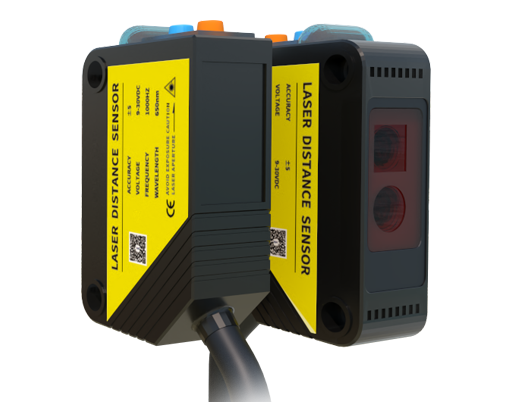
In the realm of computer peripherals, the evolution of the wireless mouse has been significantly driven by advancements in sensor technology, particularly the adoption of laser sensors. Unlike traditional optical sensors that rely on LED light and a red glow to track movement, laser sensors utilize an invisible laser beam to achieve superior precision and surface compatibility. This technology has become a cornerstone for professionals and enthusiasts who demand high performance in diverse environments, from office desks to gaming arenas.
The core principle of a laser sensor involves emitting a coherent beam of light that penetrates the surface texture more deeply than an LED. This allows the sensor to capture minute details and irregularities, translating them into precise cursor movements. With resolutions often exceeding 20,000 DPI (dots per inch), modern laser sensors can detect even the slightest hand motions, enabling pixel-perfect accuracy. This high DPI capability is crucial for tasks requiring fine control, such as graphic design, video editing, and competitive gaming, where a split-second decision can determine success.
One of the standout advantages of laser sensors is their exceptional surface adaptability. They can function effectively on a wide range of materials, including glossy glass, polished wood, and fabric mousepads, where optical sensors might struggle or fail. This versatility eliminates the need for a dedicated mousepad in many scenarios, offering users greater flexibility in workspace setup. Additionally, laser sensors typically exhibit higher tracking speeds, measured in inches per second (IPS), ensuring smooth and consistent performance during rapid movements without cursor jitter or lag.

However, laser sensors are not without challenges. Some models may exhibit acceleration or precision issues on certain surfaces due to over-sensitive tracking, leading to unintended cursor drift. Manufacturers have addressed this through advanced firmware algorithms and customizable settings, allowing users to adjust sensitivity, lift-off distance, and polling rates via dedicated software. The integration of energy-efficient components has also mitigated power consumption concerns, extending battery life in wireless models—a critical factor for cord-free convenience.
The wireless aspect further enhances user experience by eliminating cable drag and clutter. Modern wireless mice employ technologies like Bluetooth or proprietary 2.4 GHz RF connections with low latency, rivaling the responsiveness of wired counterparts. When paired with laser sensors, these devices deliver seamless performance for both everyday computing and intensive applications. Innovations such as hybrid sensors, which combine laser and optical elements, are emerging to optimize balance between accuracy and power efficiency.
Looking ahead, the future of wireless mouse laser sensors lies in smarter integration with AI and IoT ecosystems. Features like automatic surface calibration, gesture recognition, and connectivity with multiple devices are becoming more prevalent. As computing demands evolve, laser sensor technology will continue to refine its precision, reliability, and adaptability, solidifying its role in the next generation of interactive peripherals. For users seeking a blend of freedom and performance, understanding these technological nuances is key to making informed choices in a crowded market.