In the realm of industrial automation and control systems, proximity sensors stand as fundamental components for non-contact object detection. These devices are pivotal for ensuring precision, safety, and efficiency across countless applications, from assembly lines and packaging machinery to robotics and automotive manufacturing. Unlike traditional mechanical limit switches, proximity sensors detect the presence or absence of an object without physical contact, thereby minimizing wear and tear and enabling high-speed operation. This article delves into the primary types of proximity sensors and highlights key enterprises that are shaping this critical industry segment.
The operational principle of a proximity sensor is based on the disturbance of an electromagnetic field, acoustic wave, or light beam. The main categories include Inductive, Capacitive, Ultrasonic, and Photoelectric sensors. Inductive proximity sensors are the workhorses for detecting metallic objects. They generate an oscillating electromagnetic field; when a metal target enters this field, it induces eddy currents, causing a change in oscillation amplitude that triggers the sensor's output. These sensors are renowned for their robustness, reliability in harsh environments, and immunity to non-metallic contaminants like dust or oil. They are predominantly used in metalworking, machine tooling, and automotive industries.
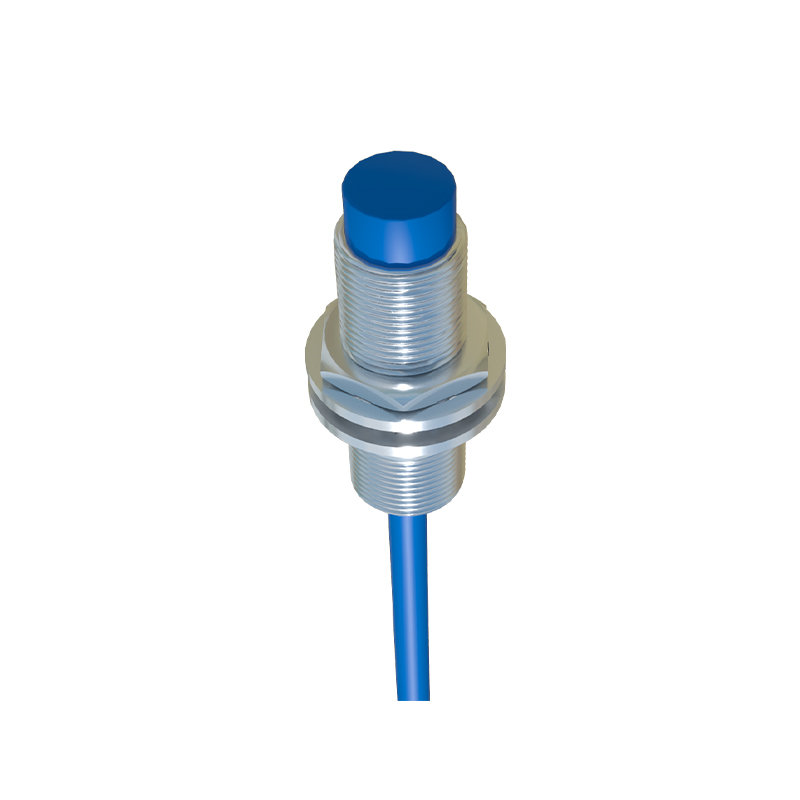
Capacitive proximity sensors, on the other hand, can detect both metallic and non-metallic materials—liquids, plastics, wood, and granular substances. They function by measuring changes in capacitance between the sensor's active surface and the target object. This makes them ideal for level detection in tanks, material handling, and presence detection of non-metallic products. Ultrasonic sensors utilize sound waves beyond the human hearing range. They measure the time taken for an emitted sound pulse to reflect off a target and return, calculating distance. Their ability to detect objects regardless of color, transparency, or material, and to operate in challenging environments with dust or vapor, makes them suitable for distance measurement, palletizing, and liquid level control.
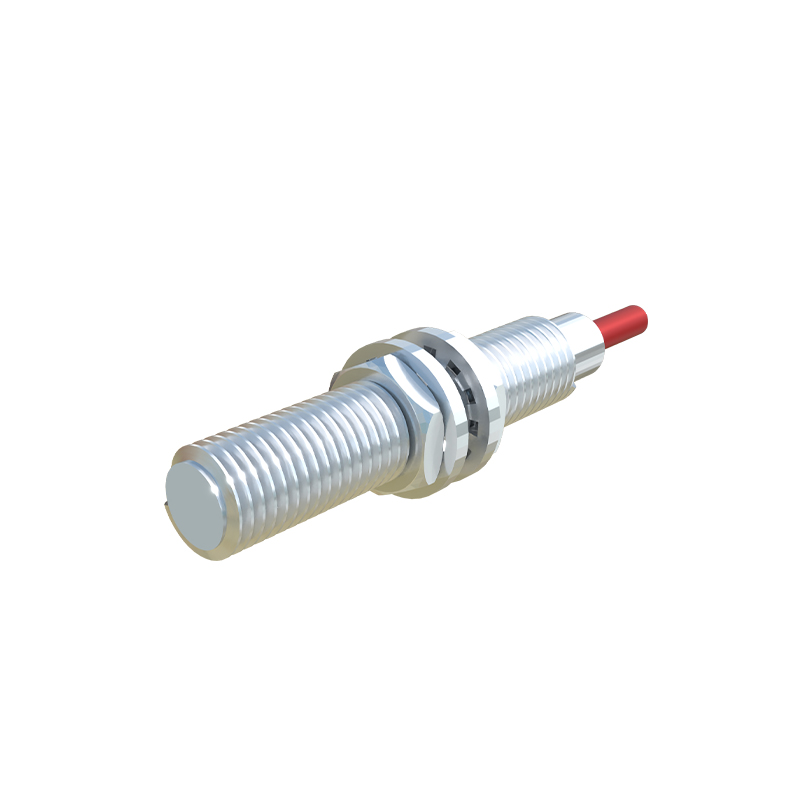
Photoelectric sensors employ a light source (often LED-based infrared, visible red, or laser) and a receiver. They detect objects by interpreting changes in the received light signal. These sensors are further subdivided into through-beam, retro-reflective, and diffuse-reflective types, offering long sensing ranges and high precision for detecting small objects or specific colors. They are ubiquitous in packaging, material handling, and electronics assembly.
The market for these essential components is driven by several leading global enterprises, each contributing significant innovation and reliability. Key players include:
Sick AG: A German pioneer in sensor intelligence, Sick offers an exceptionally comprehensive portfolio across all proximity sensor technologies. Known for high precision, durability, and advanced diagnostic capabilities, their sensors are integral to Industry 4.0 and logistics automation solutions.
Omron Corporation: This Japanese electronics giant is a powerhouse in factory automation. Omron's proximity sensors, particularly its inductive and photoelectric lines, are celebrated for their compact design, high performance, and ease of integration into complex control systems.
Pepperl+Fuchs: A German specialist in intrinsic safety and sensor technology, Pepperl+Fuchs excels in developing sensors for hazardous areas and demanding industrial environments. Their inductive and capacitive sensors are industry benchmarks for reliability.
Balluff GmbH: Another German leader, Balluff focuses on innovative sensor solutions and industrial identification. They provide a wide array of high-quality inductive, capacitive, and photoelectric sensors known for their ruggedness and smart connectivity features like IO-Link.
Rockwell Automation (Allen-Bradley): A major force in North America, Rockwell Automation, through its Allen-Bradley brand, supplies robust sensor solutions deeply integrated with its broader control and information system architecture, favored in large-scale industrial applications.
IFM Electronic: Renowned for its system-oriented approach, IFM provides a vast range of proximity sensors with a strong emphasis on condition monitoring and predictive maintenance capabilities, aligning with modern smart factory needs.
The evolution of proximity sensors is closely tied to trends like miniaturization, enhanced connectivity (e.g., IO-Link for digital parameterization and data exchange), and increased intelligence for predictive analytics. Selecting the right sensor type and manufacturer depends on specific application parameters: target material, required sensing distance, environmental conditions (temperature, contaminants), electrical output needs, and connectivity requirements. As industries continue to advance toward greater automation and digitalization, the role of these sophisticated sensors and the companies that engineer them will only become more central to operational success and innovation.