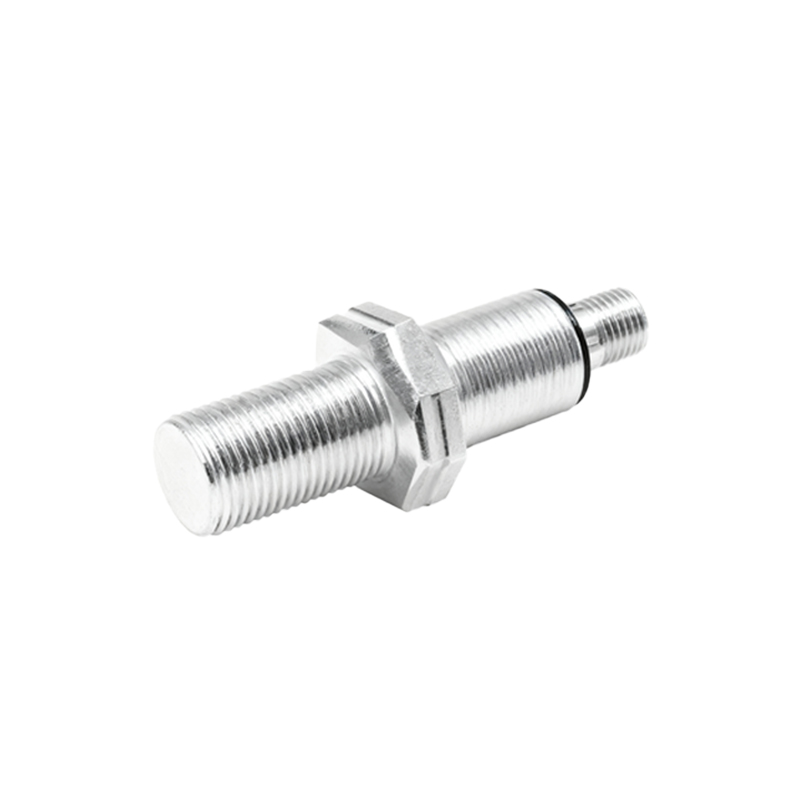
Proximity sensors are indispensable components in modern industrial automation, providing non-contact detection of objects within a defined range. Their ability to operate reliably in harsh environments—without physical contact—makes them ideal for applications ranging from position sensing and object counting to safety interlocks and quality control. Selecting the right proximity sensor requires a systematic approach that considers the operational environment, target material, sensing range, output requirements, and installation constraints.
The first step in selection is identifying the type of sensor technology suited to the application. Inductive proximity sensors are used for detecting metallic objects, utilizing electromagnetic fields to sense ferrous and non-ferrous metals. They are robust, resistant to dust and moisture, and commonly employed in machining, automotive assembly, and material handling. Capacitive sensors, on the other hand, can detect both metallic and non-metallic materials—including liquids, plastics, and wood—by measuring changes in capacitance. These are valuable in packaging, food processing, and level detection tasks. Ultrasonic sensors use sound waves to detect objects regardless of color or material, offering longer sensing distances and suitability for challenging conditions like transparent or uneven surfaces. Finally, photoelectric sensors rely on light beams and are excellent for long-range detection and small object sensing, though they can be affected by environmental factors like dust or ambient light.
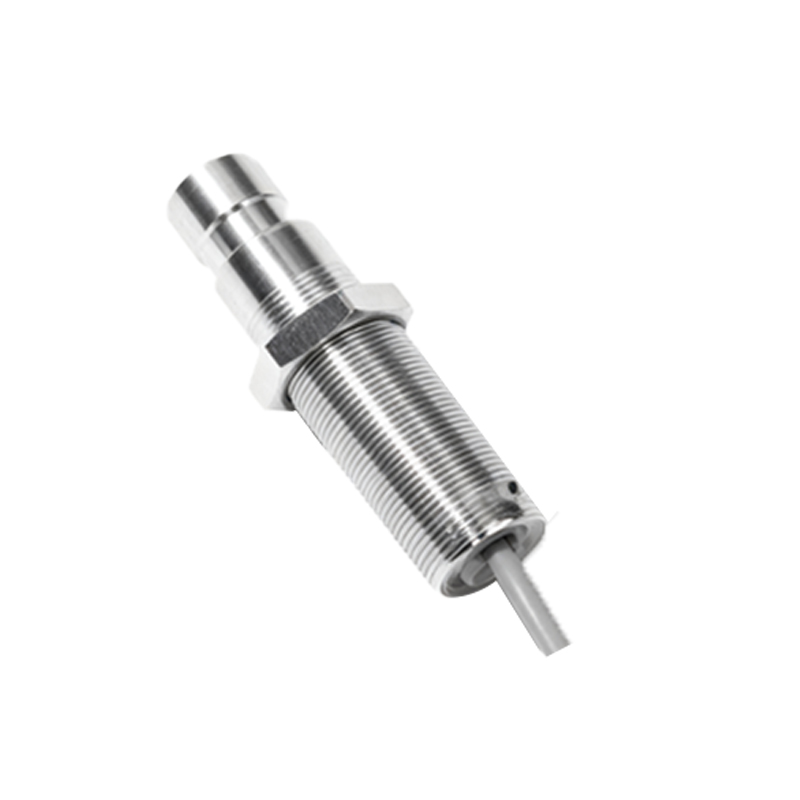
Once the technology is chosen, key parameters must be evaluated. Sensing distance, often specified as nominal or effective range, should account for target size and possible installation tolerances. Factors like temperature extremes, humidity, chemical exposure, and mechanical vibrations dictate the sensor’s housing material and ingress protection (IP) rating. Output configuration is another critical aspect: discrete outputs (PNP/NPN) interface with PLCs or controllers, while analog outputs provide continuous measurement data for precision applications. Response time and switching frequency must align with process speed to avoid missed detections in high-speed automation.
Installation and alignment are equally important for optimal performance. Sensors should be mounted securely to minimize vibration effects, with adequate clearance from metal surfaces or other sensors to prevent electromagnetic interference. For inductive and capacitive types, the target material’s properties—such as conductivity and thickness—can affect sensing distance; calibration or adjustment may be necessary. Regular maintenance, including cleaning of sensing faces and checking for wear, ensures long-term reliability. In summary, a methodical selection process that balances technical specifications with environmental and operational demands will enhance system efficiency, reduce downtime, and improve safety in industrial settings.