In the demanding environments of modern industrial automation, proximity sensors are the silent sentinels of countless processes. These non-contact devices, crucial for detecting the presence or absence of objects, operate reliably until an unexpected impact compromises their integrity. A single collision with a misaligned pallet, a swinging tool, or a stray piece of equipment can lead to sensor failure, unplanned downtime, and significant production losses. This is where the often-overlooked component, the proximity sensor protective cover, becomes a critical element of system design and maintenance. This guide delves into the engineering rationale, material science, and application best practices for these essential protective devices.
The primary function of a protective cover, or guard, is to act as a sacrificial barrier. It is engineered to absorb and dissipate kinetic energy from impacts that would otherwise be directly transferred to the sensor's housing, sensing face, or electrical connections. High-quality polyurethane (PU) and thermoplastic polyurethane (TPU) are the predominant materials of choice. These elastomers offer an exceptional balance of properties: high tensile strength, excellent abrasion resistance, and remarkable resilience. Their inherent flexibility allows them to deform upon impact and return to their original shape, providing repeated protection. For applications involving extreme abrasion or specific chemical exposures, specialized compounds like vulcanized rubber or engineered plastics may be specified. The material selection is a direct function of the operating environment, including factors such as temperature range, presence of oils or coolants, and UV exposure.
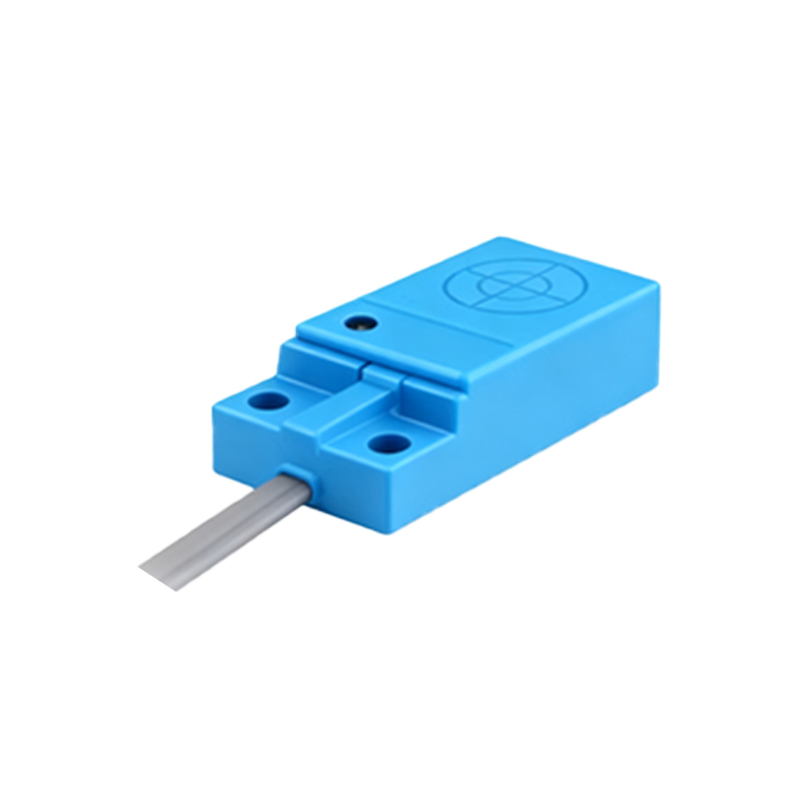
Design geometry is equally paramount. A well-designed cover is not merely a cap; it is a precision-molded component. Key features include a precise fit that minimizes air gaps, which can trap contaminants or reduce sensing distance. The wall thickness is carefully calibrated—too thin, and it offers inadequate protection; too thick, and it can excessively dampen the sensor's electromagnetic field, reducing its effective sensing range. Many covers incorporate a flanged or lip design that provides a secure snap-fit or friction hold onto the sensor body, ensuring they remain in place during vibration or incidental contact. For cylindrical sensors, cylindrical covers are standard, while rectangular and block-style sensors require correspondingly shaped guards. Ventilation holes are sometimes integrated to prevent condensation buildup in humid environments, though this is a trade-off with ingress protection (IP) rating.
The performance implications of installing a protective cover are measurable. The most direct benefit is the dramatic extension of the sensor's operational lifespan, directly impacting the total cost of ownership. By preventing physical damage, covers maintain the sensor's calibration and sensing reliability, ensuring consistent signal output. This consistency is vital for precision applications like positioning, counting, or edge detection. Furthermore, they protect the often-delicate sensing face from scratches, paint overspray, weld spatter, and metal chips. A scratched or coated sensing face can alter the sensor's damping characteristics and reduce its nominal sensing distance (Sn). A clean cover can simply be wiped or replaced, whereas cleaning a damaged sensor face is often impossible.
Selecting the correct cover requires a systematic approach. First, identify the exact sensor model and manufacturer to ensure dimensional compatibility. Second, analyze the nature of the threat: is it direct frontal impact, glancing blows, or abrasive wear? Third, consider the environmental conditions: temperature extremes, chemical exposure, and required IP rating (e.g., IP67, IP69K). For high-temperature applications near furnaces or welding stations, silicone-based covers may be necessary. In food and pharmaceutical settings, FDA-compliant materials that resist bacterial growth are mandatory. It is also crucial to verify the resulting reduction in sensing distance. Reputable manufacturers provide derating factors (e.g., a reduction of 10-30% in Sn) to account for the cover's presence, which must be factored into the initial installation and gap setting.
Installation and maintenance are straightforward but require attention. The sensor face should be clean before sliding or snapping the cover into place. Ensure the cover is seated evenly without twisting, which could create a uneven thickness and cause erratic sensing behavior. Regular visual inspections should be part of preventative maintenance schedules. Look for signs of permanent deformation, deep cuts, or material degradation. A cover that is cracked or has lost its elasticity has likely absorbed its maximum impact energy and should be replaced proactively. Do not attempt to use adhesives to secure a loose-fitting cover, as this can introduce contaminants and make future replacement difficult.
In conclusion, proximity sensor protective covers represent a simple, cost-effective engineering solution with a profound return on investment. They are not an accessory but a fundamental component for enhancing system robustness. By strategically deploying these guards, engineers and maintenance professionals can shield critical assets from physical harm, maximize uptime, and ensure the long-term, reliable operation of automated systems. Specifying the correct material and design for the specific hazard transforms a potential point of failure into a fortified link