Proximity sensors are indispensable components in modern automation, consumer electronics, and industrial safety systems. Their ability to detect the presence or absence of an object without physical contact provides reliability and enables sophisticated functionalities. However, achieving consistent and accurate performance requires careful attention to several key factors beyond simply selecting a sensor from a catalog. Ignoring these considerations can lead to erratic behavior, reduced lifespan, or complete system failure.
The operating environment is the primary dictator of sensor selection and performance. For inductive sensors, used for detecting metals, the specific type of metal is crucial. Ferrous materials like steel are detected at the sensor's rated sensing distance. Non-ferrous metals like aluminum, copper, or brass, however, have a reduced effective range, often necessitating a sensor with a longer nominal range to compensate. In harsh environments, factors like dust, moisture, coolant, or oil sprays demand sensors with appropriate Ingress Protection (IP) ratings. An IP67-rated sensor, for instance, is protected against temporary immersion and dust ingress, making it suitable for washdown areas in food processing or machining centers.
Electrical characteristics are another critical domain. Ensuring the sensor's output type (NPN sinking or PNP sourcing) is compatible with the controller's input module is a fundamental but common oversight. Voltage supply ranges must be respected, and attention should be paid to inrush currents, especially when driving relays or solenoids directly. For DC sensors, having short-circuit, overload, and reverse polarity protection built-in can prevent catastrophic failure during wiring errors. Furthermore, in applications with multiple sensors or long cable runs, potential interference between sensors or from nearby power lines must be mitigated through proper shielding, separation, or the use of sensors with robust noise immunity.
The physical installation and the nature of the target object itself are equally vital. The sensor's sensing distance is specified for a standard target. Using a smaller target, or one made of a different material, will alter the actual switching point. Mounting flush-mounted sensors non-flush, or vice-versa, dramatically affects their field and sensing capabilities. Surrounding metals can also influence inductive sensors; maintaining the recommended clearance from adjacent metal structures prevents false triggering. For photoelectric or capacitive sensors, background suppression and environmental factors like ambient light, color, or material transparency must be accounted for. A glossy target might reflect light differently than a matte one, and a capacitive sensor might be triggered by a build-up of material rather than the target itself.
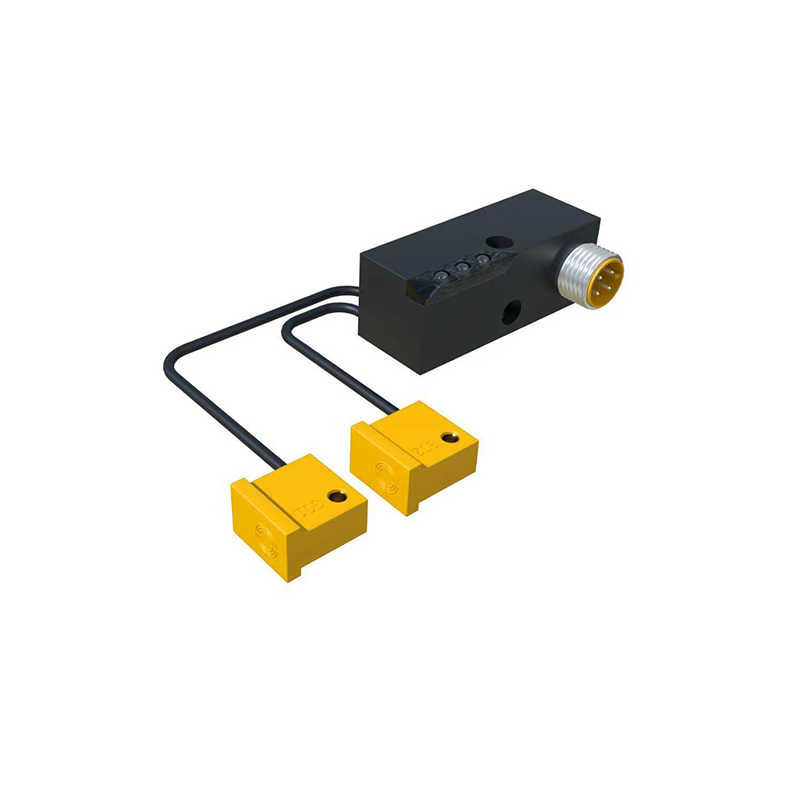
Finally, long-term reliability hinges on considering the sensor's duty cycle and potential physical wear. In high-speed counting applications, the sensor's response time and output pulse duration must be faster than the object's passage frequency. For applications involving mechanical vibration or shock, choosing a sensor with a robust housing and secure connection method is essential. Regular maintenance checks should include cleaning the sensing face from debris, verifying mounting integrity, and monitoring for temperature fluctuations that might push the sensor beyond its specified operating range.
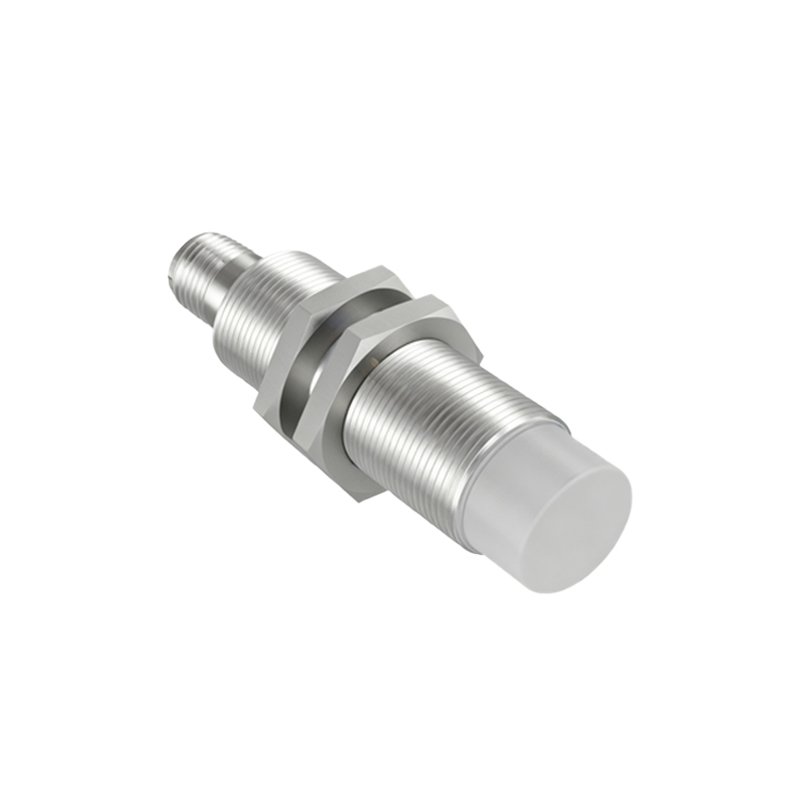
In summary, a proximity sensor is not a universal solution. Its successful integration is an engineering exercise that balances environmental resilience, electrical compatibility, mechanical installation, and target properties. By meticulously evaluating these considerations during the design and installation phases, engineers and technicians can ensure that these silent sentinels of automation deliver the reliable, contact-free detection that modern systems depend on.