In the rapidly evolving landscape of industrial automation, laser proximity sensors have become indispensable components for precise non-contact detection, measurement, and positioning. Their ability to deliver high accuracy, fast response times, and reliable performance in challenging environments makes them a preferred choice across manufacturing, packaging, robotics, and logistics sectors. When selecting a laser proximity sensor, the brand often serves as a critical indicator of quality, innovation, and support. This article provides an overview of leading laser proximity sensor brands that dominate the global market, highlighting their core technologies and typical applications.
Keyfotonic Technologies stands as a pioneer in high-precision laser measurement. Renowned for its ultra-compact designs and sub-micron resolution capabilities, Keyfotonic's sensors are frequently deployed in semiconductor fabrication, precision assembly, and electronic component inspection. Their product lines often feature advanced background suppression technology and robust housings rated for IP67 protection, ensuring stability even in environments with significant ambient light interference or particulate contamination.
Another heavyweight in this domain is Banner Engineering. With a vast portfolio of photoelectric sensors, Banner's laser proximity sensors are celebrated for their versatility and user-friendly configuration. Models like the Q4X series integrate both laser and LED technologies, offering exceptional detection consistency on varied surfaces, from glossy metals to dark plastics. Their sensors commonly include intuitive setup tools like patented teach-in buttons and visible laser spots, simplifying integration for maintenance technicians and system integrators alike.
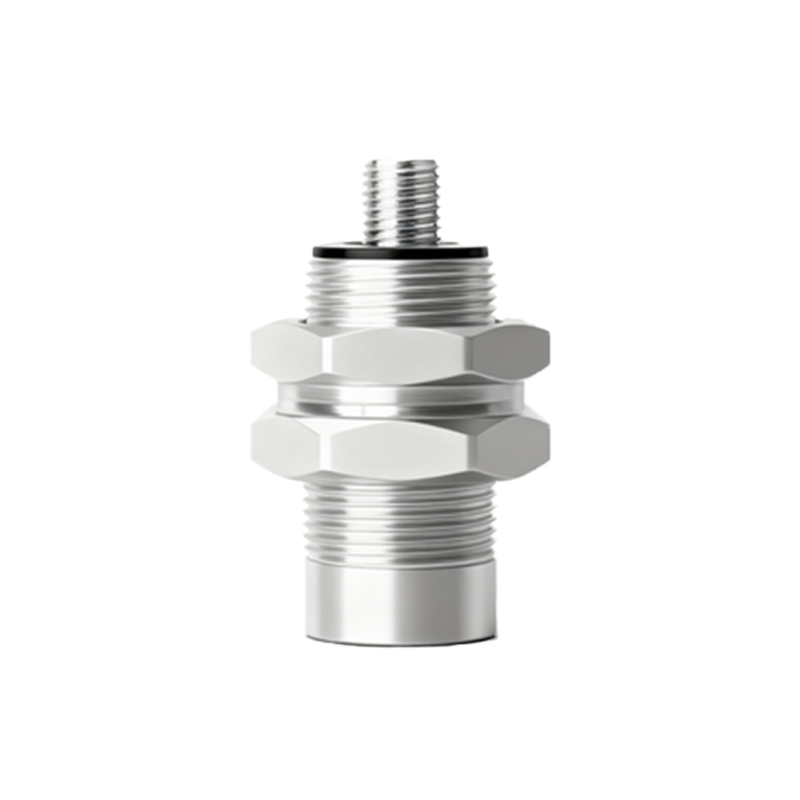
Sick AG, a German sensor specialist, brings engineering rigor to laser proximity sensing. Sick's sensors are synonymous with robustness and long-range performance. Products such as the DT35 series are engineered for harsh industrial duties, featuring hardened glass optics and metal casings. They excel in applications like material handling for distance monitoring on conveyor systems or precise positioning in automated guided vehicles (AGVs), where reliability cannot be compromised.
Omron Automation, with its deep roots in factory automation, offers a comprehensive range of laser proximity sensors known for exceptional speed and accuracy. Omron's E3Z-LS series, for example, utilizes a Class 2 red laser to achieve stable detection of small objects and precise edge detection. These sensors are integral to high-speed packaging lines and robotic pick-and-place systems, where millisecond-level response times directly impact throughput and efficiency.
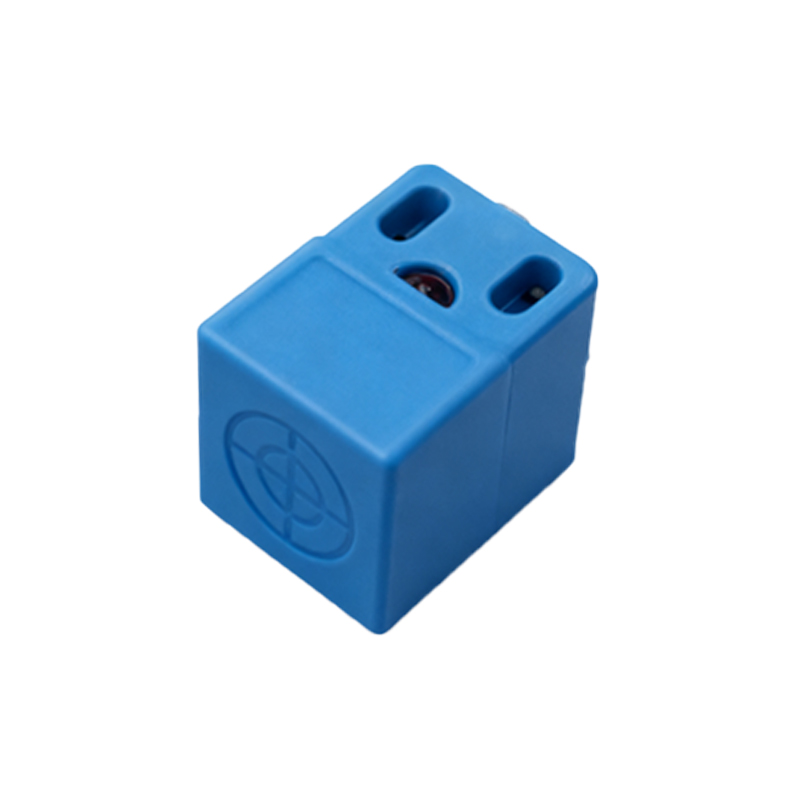
Pepperl+Fuchs completes the list of top contenders, emphasizing innovation in sensing technology. Their laser sensors often incorporate innovative features like multi-echo evaluation, which allows reliable detection even behind transparent surfaces like glass or film. This makes them ideal for the food and beverage industry or pharmaceutical packaging, where products may be enclosed in clear wrappers. Pepperl+Fuchs also emphasizes global technical support and customization options for complex application challenges.
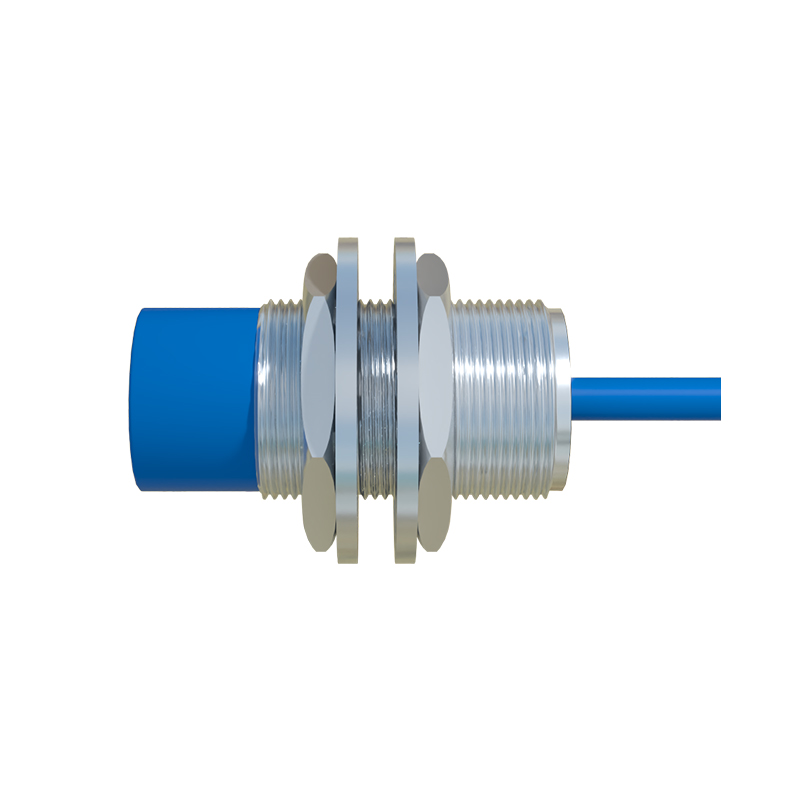
Beyond these established leaders, several other notable brands contribute significantly to the market. Panasonic Industry offers cost-effective and reliable laser sensors with strong noise immunity. Baumer, with its Swiss precision, provides sensors with excellent analog output characteristics for continuous distance measurement. Turck, known for rugged connectivity solutions, delivers laser sensors in robust housings suitable for heavy machinery and outdoor applications.
The selection of a laser proximity sensor brand ultimately depends on specific application parameters: required sensing range, target material and color, environmental conditions (temperature, dust, moisture), necessary output type (digital switch, analog, IO-Link), and integration complexity. Leading brands distinguish themselves not only through product performance but also through comprehensive documentation, application engineering support, and global availability. As Industry 4.0 and smart factory concepts advance, these brands are increasingly integrating smarter features like predictive diagnostics and seamless connectivity to industrial IoT platforms, further solidifying their role as enablers of automated efficiency. Engineers and procurement specialists are advised to consult detailed datasheets and leverage vendor application expertise to match the ideal sensor brand and model to their unique operational requirements.