In the realm of industrial automation and control, capacitive proximity sensors stand as versatile and reliable components for non-contact detection. Unlike their inductive counterparts, which are limited to sensing metallic objects, capacitive sensors can detect a wide range of materials, including liquids, plastics, glass, wood, and granular substances. This inherent flexibility makes them indispensable in diverse applications, from packaging and food processing to chemical handling and level control.
The fundamental operating principle of a capacitive proximity sensor is based on the concept of capacitance—the ability of a system to store an electrical charge. The sensor essentially forms one plate of a capacitor, with the target object acting as the other plate, and the intervening space as the dielectric. The sensor's internal oscillator generates an electrostatic field emanating from its active face. When a target enters this detection field, it alters the dielectric constant and thus the capacitance of the system. This change in capacitance is measured by the sensor's circuitry. Once the change exceeds a predetermined threshold, the sensor's output state switches, signaling the presence of the object. A key feature is their ability to sense through non-metallic container walls, enabling detection of materials inside tanks or behind barriers without direct contact.
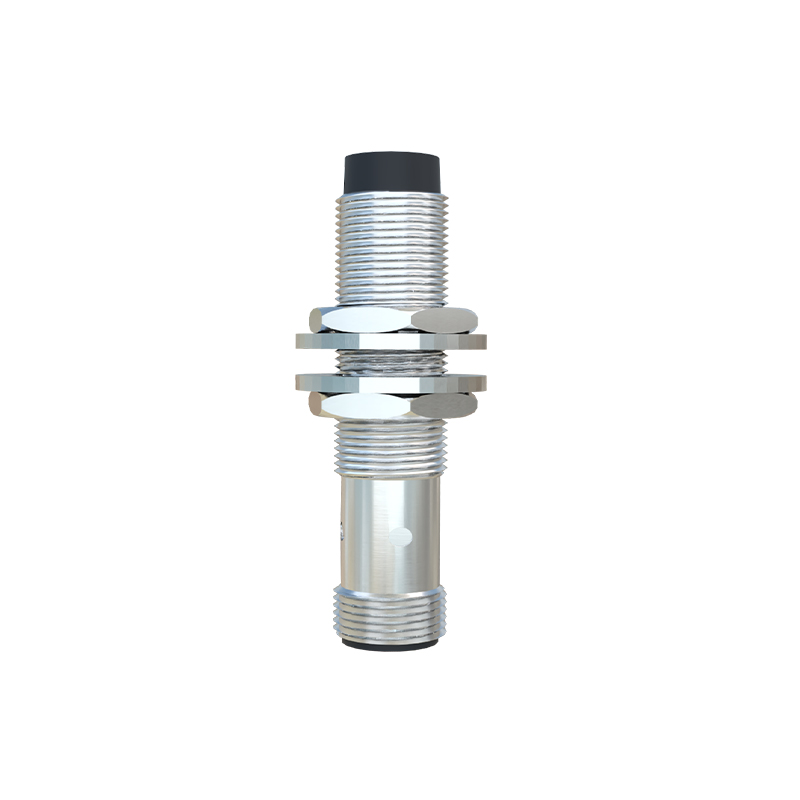
Several critical specifications define a capacitive sensor's performance and suitability for an application. The sensing distance, or nominal range, is typically specified for a standard target (often grounded metal). It's crucial to note that the actual sensing range can vary significantly with different materials; non-conductive materials generally require a shorter distance. The hysteresis is the difference between the switch-on and switch-off points, which prevents output chatter when a target is at the edge of the detection zone. Response frequency indicates how quickly the sensor can detect objects passing by, a vital parameter for high-speed counting or sorting tasks. Output types are predominantly solid-state (PNP or NDC sourcing, or NPN sinking) for direct connection to PLCs, though some models offer analog (current or voltage) outputs for continuous measurement, such as level sensing. Enclosure ratings, notably IP67 or IP69K, are essential for harsh environments involving washdowns, dust, or chemicals.
The application spectrum for capacitive sensors is remarkably broad. In level detection, they are routinely used to monitor the fill level of liquids, powders, or granules in silos, hoppers, and tanks, preventing overfills or run-dry conditions. On packaging lines, they detect the presence of plastic or glass bottles, cardboard boxes, or labels, ensuring proper product handling. Within the food and beverage industry, their ability to sense through plastic pipes or vessel walls allows for hygienic process control without contamination risk. They are also employed in material handling to detect the presence of wood, paper reels, or textile bales. A specialized application is liquid interface detection, where a sensor can distinguish between two immiscible liquids (like oil and water) based on their differing dielectric constants.
Selecting the right capacitive sensor requires careful consideration of the operating environment and the target material. First, identify the target substance: Is it conductive, non-conductive, or a liquid? This will directly impact the required sensing distance and may necessitate a sensor with adjustable sensitivity. For non-conductive materials, a sensor with a high sensitivity range or a potentiometer for fine-tuning is mandatory. Second, assess the environmental conditions: Will the sensor be exposed to moisture, corrosive chemicals, extreme temperatures, or heavy washdown? Choose an appropriate housing material (e.g., stainless steel, PBT plastic) and a high IP rating. Third, determine the required electrical characteristics: The operating voltage (commonly 10-30V DC), output type (discrete or analog), and connection style (pre-wired cable or quick-disconnect). Finally, consider mechanical factors like the sensor size and form factor (barrel, rectangular, ring-shaped) to ensure it fits the installation space.
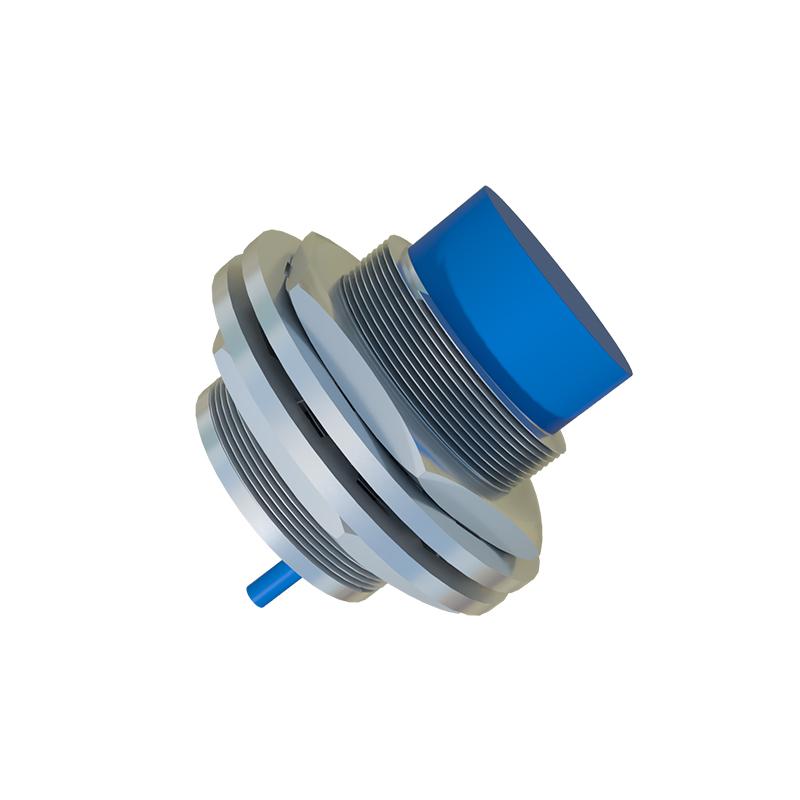
For optimal performance, proper installation and calibration are paramount. Mount the sensor securely, ensuring no moving machinery or conductive backgrounds are within the extended sensing field, as this can cause false triggering. Most sensors feature a sensitivity adjustment potentiometer. The correct procedure is to introduce the target at the desired sensing distance and then adjust the sensitivity until the output reliably switches, leaving a small safety margin. For level control applications, mounting the sensor on the side of a non-metallic tank often requires careful adjustment to ignore the tank wall and only detect the material inside.
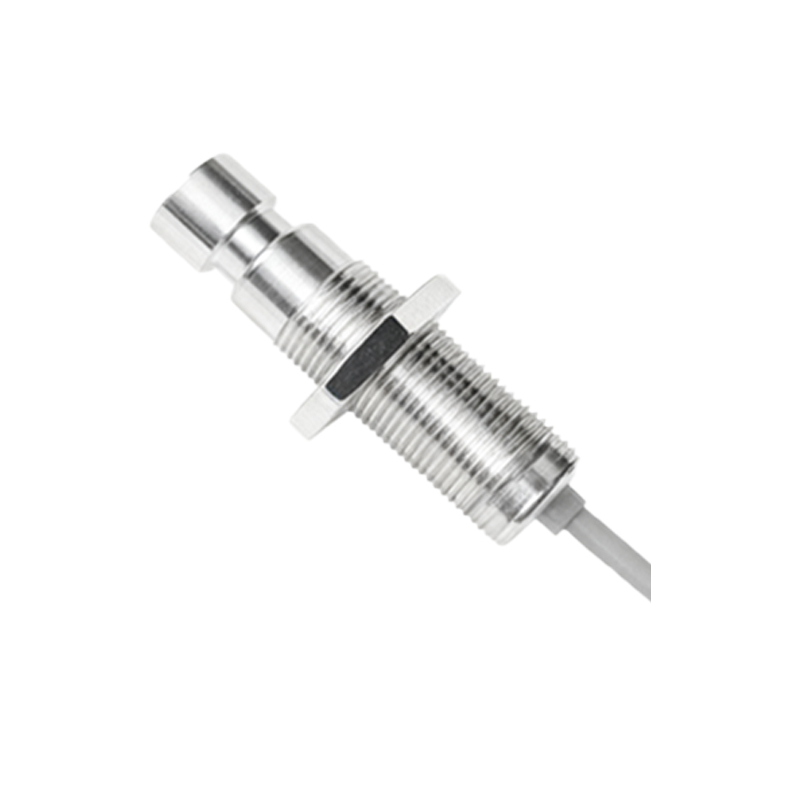
In conclusion, capacitive proximity sensors offer a unique and powerful sensing solution where material diversity and non-invasive detection are paramount. By understanding their operating principle, key specifications, and application nuances, engineers and technicians can effectively deploy these sensors to enhance system reliability, automate complex processes, and solve challenging detection problems across countless industries.