Laser sensors are critical components in modern industrial automation, quality control, and measurement systems. Over time, contaminants such as dust, oil, debris, or fingerprints can accumulate on the sensor lens or housing, leading to reduced accuracy, signal interference, or complete failure. Proper cleaning is essential to maintain precision and extend the sensor's operational lifespan. This guide outlines industry-recommended procedures for cleaning laser sensors safely and effectively.
Before starting any cleaning process, always refer to the manufacturer's specific guidelines provided in the technical manual. Safety is paramount: ensure the sensor is powered off and disconnected from any electrical source to prevent damage or injury. Allow the sensor to cool if it has been operating in high-temperature environments.
Begin by inspecting the sensor visually. Use a gentle, dry air blower or canned air designed for electronics to remove loose particles from the lens and housing. Avoid using compressed air from industrial lines, as it may contain moisture or oil that could further contaminate the sensor. Hold the air source at an angle to prevent forcing debris deeper into the sensor assembly.

For persistent contamination, lightly dampen a lint-free microfiber cloth or optical-grade wipe with a small amount of isopropyl alcohol (IPA) with a concentration of 70% or higher. Do not pour alcohol directly onto the lens. Gently wipe the lens surface in a circular motion from the center outward, applying minimal pressure. Avoid abrasive materials like paper towels or rough fabrics, which can scratch optical coatings.
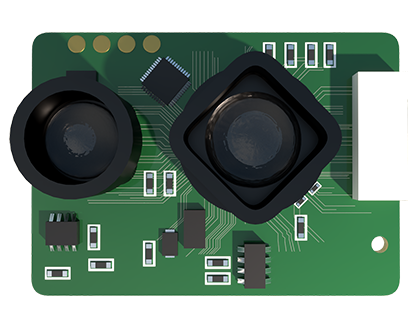
If the housing requires cleaning, use a soft brush or cloth slightly moistened with a mild detergent solution. Ensure no liquid seeps into sensor openings, vents, or cable connections. After cleaning, allow all components to air-dry completely in a dust-free environment before reassembly or power-up.
Regular maintenance schedules should be established based on the operating environment. In harsh conditions—such as manufacturing floors with high particulate levels—cleaning may be needed weekly. For cleaner settings, monthly or quarterly checks may suffice. Always document cleaning activities and monitor sensor performance data to detect early signs of contamination-related issues.
Improper cleaning methods, such as using harsh chemicals, excessive moisture, or mechanical force, can permanently damage laser sensors. When in doubt, consult the manufacturer or a qualified technician. By following these protocols, engineers and maintenance personnel can ensure reliable sensor operation, minimize downtime, and uphold system integrity in demanding industrial applications.